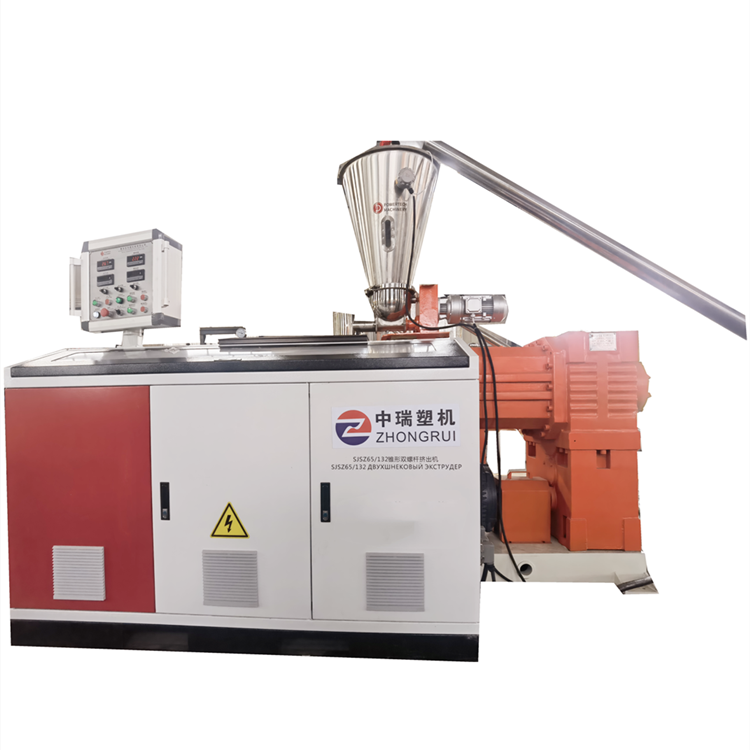
You probably see plastic extrusion every day, but you may not notice it. Plastic extrusion helps make things like PVC pipes, food containers, and window frames. This process pushes melted plastic through a die. It creates long shapes used in many industries. The global market for extruded plastic products has grown fast. It is now worth about $250 billion in 2024. You can find these products in packaging, construction, car parts, and electronics. Plastic extrusion keeps changing, making life easier and better.
Key Takeaways
Plastic extrusion melts plastic and shapes it into long items. These items can be pipes or sheets. This method is good for making many products fast.
Some plastics used in extrusion are PVC, HDPE, LDPE, PP, and PS. Each plastic is picked for things like strength or how much it bends.
The extrusion process starts with plastic pellets. The pellets are melted. The melted plastic is pushed through a die to shape it. Then it is cooled and cut to the right size.
It is important to keep the wall thickness even. If not, the product can bend or have weak spots. Even thickness makes the items strong and safe.
Plastic extrusion is used in packaging, building, cars, and things people use every day. It saves money, makes less waste, and can create many kinds of products.
Plastic Extrusion Basics
What Is Plastic Extrusion
Have you ever thought about how pipes or window frames are made? Plastic extrusion is when plastic is heated until it melts. Then, the melted plastic gets pushed through a die. This makes long shapes that look the same all the way through.
Here are some important things about plastic extrusion:
Plastic extrusion keeps going without stopping, so it is good for making long items.
Other ways, like injection molding or blow molding, make single pieces or hollow things.
Extrusion is best when you need to make a lot of pipes, sheets, or rods.
You can spend less on tools and make less waste with extrusion than with other ways.
Tip: If you want many straight and even plastic things, plastic extrusion is usually the best way.
You can look at this table to see how plastic manufacturing methods are different:
Process | Product Type | Material | Application |
Plastic Extrusion | Continuous profiles | Thermoplastics (PVC, PE, PP) | Pipes, sheets, window frames |
Injection Molding | Discrete, complex parts | Thermoplastics, thermosets | Toys, medical devices |
Blow Molding | Hollow objects | Thermoplastics (PET, HDPE) | Bottles, containers |
Thermoforming | Sheet-based products | Thermoplastic sheets (PET, PVC) | Trays, packaging |
Rotational Molding | Large, hollow parts | Polyethylene | Tanks, playground equipment |
Key Materials
Not every plastic works well for extrusion. The most used ones are:
Each plastic type has special features for different uses. LDPE bends easily and is good for bags and films. PVC is tough and can handle weather, so it is used for pipes and window frames.
Plastic Type | Common Extrusion Applications |
Low-Density Polyethylene (LDPE) | Films, sheets, bottles, tubes, bags |
Polypropylene (PP) | Films, sheets, wires & cables |
Polyvinyl Chloride (PVC) | Pipes, doors, windows, siding, fencing |
High-Density Polyethylene (HDPE) | Films, sheets, pipes, bottles, containers |
Polystyrene (PS) | Foams, sheets, films, other products |
When picking a plastic for extrusion, think about these things:
Density changes how heavy and costly your product is.
Melt temperature tells you how much energy you need and how fast you can work.
Tensile strength and impact resistance help your product last and not break.
Flexibility, color, and surface finish are also important for how the product will be used.
Note: Always pick a plastic that fits what your product needs, like strength, bending, or handling weather.
Plastic Extrusion Process
Step-by-Step Overview
Let’s look at the plastic extrusion process in simple steps. This process keeps going, so it is good for making long items that all look the same. Here is how the plastic extrusion process works from start to finish:
Feeding the Raw Material: You put plastic pellets or granules into a hopper. Sometimes, you add color or other things now.
Melting the Plastic: The pellets go into a hot barrel. A screw turns and pushes the plastic forward. Heat and rubbing melt the plastic into a thick liquid.
Extruding Through the Die: The melted plastic goes through a plate and screen to catch dirt. Then, it gets pushed through a die. The die shapes the plastic into things like tubes or sheets.
Cooling the Extrudate: The shaped plastic leaves the die and goes into a cooler. Water or air cools the plastic fast so it keeps its shape.
Pulling & Cutting: The hard plastic is pulled along. Machines cut it to the right size or roll it up.
Tip: Because this process keeps going, you can make long, even products with less waste and steady energy use.
Technicians are very important in this process. They watch the temperature, screw speed, and pressure. They check how the plastic flows and make sure the wall thickness is right. They do quality checks at every step to find problems early.
Essential Equipment
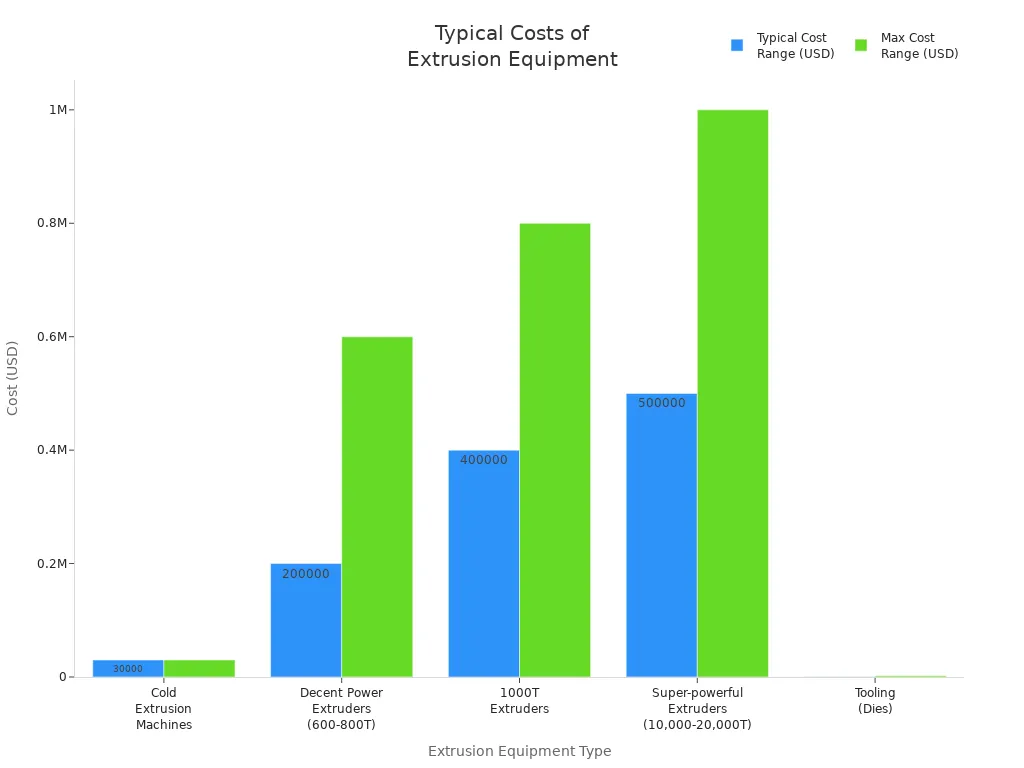
You need different machines to run the plastic extrusion process. Each machine helps control the flow, heat, and shape of the plastic. Here is a table showing common equipment and what they do:
Extrusion Equipment Type | Description / Features | Typical Cost Range (USD) |
Cold Extrusion Machines | Work at room temperature, good for simple shapes | Starting around $30,000 |
Decent Power Extruders (600-800T) | Have heating beds, run out tables, ovens, and pullers | $200,000 to $600,000 |
1000T Extruders | More power and bigger, with cooling beds and ovens | $400,000 to $800,000 |
Super-powerful Extruders (10,000-20,000T) | Most powerful, with extra parts for better products | $500,000 to over $1,000,000 |
Tooling (Dies) | Shapes the product, cost depends on how hard it is to make | $400 to $2,000 |
How your machines are made changes how good your products are. The screw, barrel heat, and die shape all control how the plastic moves. If you set the screw speed and pressure right, the plastic melts and mixes evenly. This helps stop problems like uneven walls or rough surfaces. You also need to keep your machines clean and working well to stop problems with thickness and flow.
Uniform Wall Thickness
Wall thickness is very important in the plastic extrusion process. You want the wall thickness to stay the same from start to finish. If the thickness changes, the plastic moves faster in thick spots and slower in thin spots. This can make the product twist or bend as it cools. Thick parts cool slower, which can cause more problems with shape and strength.
If the wall thickness is not even, you can get ugly marks, see-through spots, or weak areas. You must control wall thickness to make sure your product is good. For tricky shapes, you might need special tools or changes to keep the thickness even.
Note: Vacuum calibration is a key step for quality. Right after the plastic leaves the die, vacuum tools help set the wall thickness and shape, especially for tubes and pipes.
To keep the thickness even, you should:
Make walls balanced so they do not change thickness.
Use vacuum tools and inside supports for hollow shapes.
Keep inside corners and outside corners smooth to stop bending.
Watch the temperature, pressure, and speed all the time.
Technicians check the wall thickness while making the product. They use tools and sensors to measure thickness and fix problems if needed. Checking often helps you find problems early and keep your products within the right thickness.
Extrusion Applications
Plastic extrusion is used in many industries. You see its results every day, like in food packaging and cars. Let’s see how different industries use this process to make many products.
Packaging
Extruded plastic packaging is everywhere. Bags and films keep snacks safe and fresh. In 2023, a study said extrusion makes up over 39% of the world’s plastic packaging market. This is because flexible packaging is popular. It costs less and is better for the environment than hard packaging.
Companies use extrusion to make packaging for food, medicine, and other things. This packaging helps food last longer and look good in stores. The process lets companies pick different thicknesses and finishes for each product.
Here are some common packaging forms and uses:
Material Type | Common Forms | Packaging Applications | Key Properties / Uses |
Polyethylene (PE) | HDPE, LDPE, LLDPE | Films, sheets, containers, bottles, jars, tubes, trays | HDPE: strong containers; LDPE & LLDPE: soft packaging like bags, stretch wrap |
Polypropylene (PP) | Homopolymer, copolymers | Packaging strips, containers, light packaging | Good chemical resistance, high melting point, strong |
Multi-layer Coextrusion | Combination of polymers | Barrier films for food and medicine packaging | Makes packaging stronger and keeps food safe |
You see these products in many ways: bottles, containers, jars, tubes, films, sheets, and trays.
Tip: Flexible packaging made with extrusion helps cut down waste and keeps food fresh longer.
Construction
Builders use extruded plastics for many building parts. About 20% of all plastics are used in construction, and most of that is PVC. You see these plastics in window frames, doors, pipes, and siding. Long shapes called profiles make up almost half of plastic use in buildings. These shapes help buildings stay strong and block wind and rain.
Pipes and tubes made by extrusion carry water and protect wires. Builders like plastic because it does not rust, is light, and saves energy. This means buildings last longer and cost less to fix.
Common finished products in construction are: window and door frames, pipes and tubes, siding, wall panels, cable conduits, and trims.
Note: Plastic profiles and pipes are easier to put in and last longer than many old building materials.
Automotive
Many car parts are made with plastic extrusion. This process helps make cars lighter, safer, and cheaper. Both big and small car parts are made this way, like door frames and dashboard trims. These parts help protect you, do not rust, and save money.
Some car parts made with extrusion are: interior trim, cargo systems, load floors, seatbacks, seals, and strong parts.
You also find extruded weatherstripping, wipers, and squeegee blades. These parts keep out water and noise, making rides more comfortable.
Plastic extrusions replace heavy parts, so cars weigh less. Lighter cars use less gas and work better. These parts are strong, so cars stay safe and last long.
Callout: Using extruded plastics in cars saves energy and helps the environment.
Consumer Goods
Plastic extrusion changed how we use everyday things. Companies can make almost any shape, so you get products that fit your needs. This process makes long items like curtain rods, hoses, and toys.
You get cheaper products because extrusion is good for making lots of items. It makes little waste, and leftover plastic can be used again. Many types of thermoplastics are used, so you see many different products.
Examples of finished products are: curtain rods, garden hoses, toy parts, furniture trim, and sports gear.
Tip: Plastic extrusion lets you have custom colors and designs in many home items.
You can see how extrusion is part of your daily life. From packaging to buildings, cars, and home goods, this process makes products that are strong, light, and affordable.
Benefits and Limitations
Advantages
Plastic extrusion has many good points for making things today. It is great for making long shapes like pipes and window frames. You can keep the machines running for a long time. This saves both time and money. The tools, called dies, cost less than molds. This makes it easier to start new projects. You do not spend much on setup. You can also change designs faster.
Here is a table that shows how plastic extrusion and injection molding are different:
Feature | Plastic Extrusion Advantages | Injection Molding Limitations |
Process | Continuous production for long profiles | Makes single, complex parts |
Tooling Cost | Lower due to simple dies | Higher due to complex molds |
Production Volume | Great for high-volume runs | Good for complex, smaller parts |
Surface Finish | Smooth, often needs no extra work | May need finishing |
Material Versatility | Works with many plastics and metals | Mostly plastics and some metals |
You can pick from many materials, soft or hard. This gives you more choices for your products. The process does not waste much material. This is good for the planet and saves money. If you need to make lots of the same thing, this method keeps costs down and quality up.
Tip: If you want to make many long, simple shapes fast and cheap, plastic extrusion is a smart choice.
Challenges
There are some problems you might face with extrusion. You must keep the heat steady. If the temperature changes, the product can be weak or have defects. Sometimes, the material does not flow evenly. This can make the shape wrong or cause breaks.
The machines need regular care. Parts like screws and barrels can wear out. This can hurt the quality of your products. You also need to pick the right material and keep it clean. If the raw material is wet or dirty, you can have trouble making good products.
Rules for the environment are getting tougher. You may need to use recycled or plant-based materials. This can change how your machines work. Energy use is another thing to watch. New machines use less power, but you still need to check your energy bills.
Note: Good training and regular checks help you stop many problems and keep your products safe and strong.
You have learned how plastic extrusion shapes many products you use every day. This process lets you make strong, light, and custom items for cars, homes, and packaging. New technology, like AI and smart sensors, helps factories make better products with less waste. If you want to learn more, beginner courses from groups like IOM3 or guides from Xometry can help you get started. Take a look around—plastic extrusion touches almost every part of your life.
FAQ
What is the main difference between plastic extrusion and injection molding?
Plastic extrusion makes long, continuous shapes like pipes or sheets. Injection molding creates single, complex parts like toys or bottle caps. You use extrusion for items with the same cross-section along their length.
Can you recycle plastic in the extrusion process?
Yes, you can recycle many types of plastic in extrusion. You often mix recycled plastic with new material. This helps reduce waste and saves money. Always check if your machine and product allow recycled content.
How do you choose the right plastic for extrusion?
You look at what your product needs. Think about strength, flexibility, and weather resistance. Some plastics work better for certain uses. For example, PVC is good for pipes, while LDPE is best for films and bags.
Why does wall thickness matter in extrusion?
Wall thickness affects strength and shape. If the walls are not even, your product may bend or break. You must keep thickness steady to make sure your product works well and lasts longer.



 +86-18561886575 (Mr.Wu)
 +8618561886575
 238 Yangzhou West Road, Jiaozhou City, Qingdao City, Shandong Province