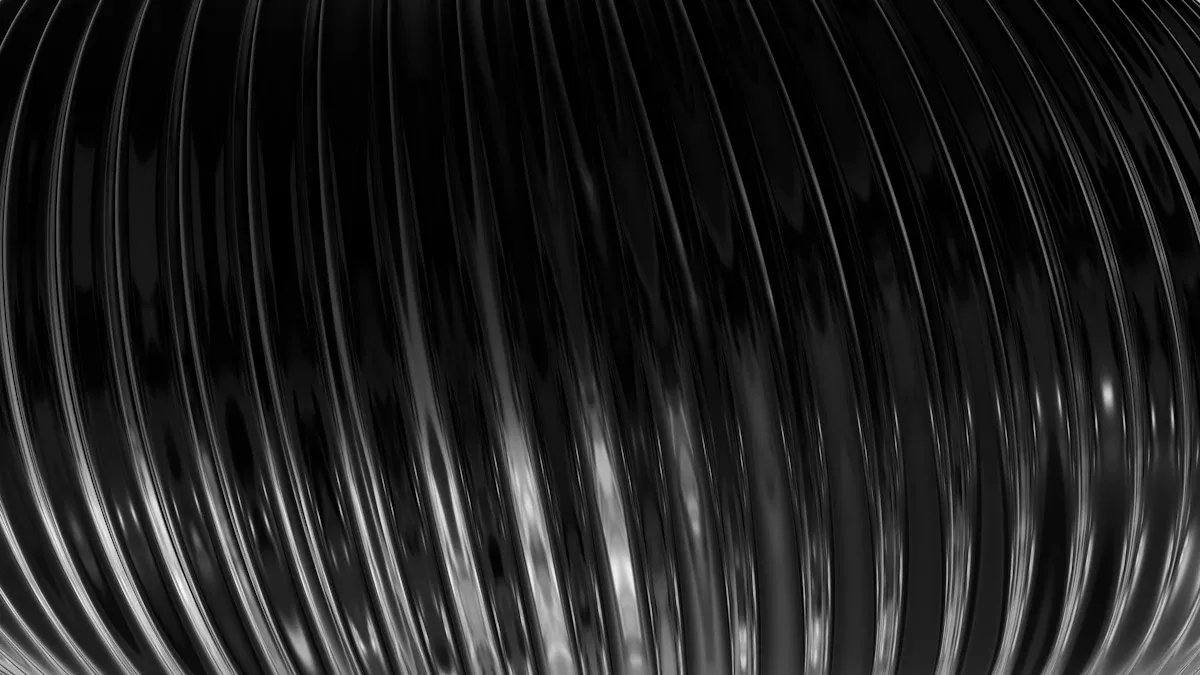
Corrugated pipe has a bumpy, wavy surface. This makes the pipe strong but still light. You see corrugated pipe in storm drains, cable covers, sewage pipes, and culverts. Its special shape lets you bend it and put it in place easily. This makes it a good pick for water management jobs. Corrugated pipe lasts a long time and saves money. The market for corrugated pipe is getting bigger. It will be worth $17,593.8 million in 2025. By 2032, it may reach $27,000.9 million. You can see the numbers below:
Year | Market Size (USD Million) | CAGR (%) |
2025 | 17,593.8 | 6.3 |
2032 | 27,000.9 |
|
You can pick hdpe corrugated pipe for even better use in tough places.
Corrugated pipe is strong and bends easily. It is also light. This makes it great for drainage, sewage, and cable protection. It can last a very long time. Some types last more than 100 years. This helps save money on fixing or replacing pipes. It is easy and fast to install because it is light and bends. This means workers do not need much time. It also lowers the cost of labor. Picking the right corrugated pipe, like HDPE, makes it last longer. It is also better for the environment because it can be recycled. Using the right way to install and plan helps the pipe work well. It also stops problems from happening later.
Corrugated Pipe Features
![Corrugated Pipe Features]()
Flexibility and Strength
Corrugated pipe is known for being flexible. You can bend this pipe easily. It fits into small spaces or goes around things in the way. You do not need special parts to make it turn. You can lay the pipe in many shapes. This helps when the ground is not flat or is hard to work with. The pipe does not crack or leak if the ground moves. It works well where the soil settles or shifts.
Here are some reasons why corrugated pipe bends so well:
It fits into tricky places and tight spots.
You can make it curve without using extra parts.
It does not break or leak when the ground moves.
Corrugated pipe is also strong. The wavy shape makes it tougher. It can hold up heavy dirt or cars above it. The shape spreads out the weight, so it does not get squished. You can put it under roads, driveways, or fields.
Factor | Description |
Material Composition | Corrugated pipes are made from materials like plastic, metal, or concrete, each affecting strength. |
Wall Thickness | Thicker walls make the pipe stronger and harder to bend. |
Diameter | Bigger pipes spread out weight better and hold more weight. |
Installation Conditions | The type of soil and how deep you put the pipe matters. |
If you pick hdpe corrugated pipe, you get even more bending and strength. HDPE can take hits and works in tough spots. You can use it for big or small jobs.
Durability and Longevity
Corrugated pipe lasts a long time. You can use it in tough places. Metal pipes can last 50 to 100 years or more. Some aluminized pipes last at least 75 years, and some last 100 years. Galvanized pipes can work for 40 years or more. Pipes with special coatings can last up to 75 years or longer. Plastic pipes, like hdpe corrugated pipe, do not rust or rot. This makes them good for wet or chemical-filled places.
Here is how long these pipes can last:
Corrugated metal pipes: 50 to 100 years or more in normal use.
Aluminized type 2: At least 75 years for 16 gauge, 100 years for 14 gauge.
Galvanized pipes: About 40 years, up to 75 years with coatings.
Galvanized steel culvert pipes: 20 to 40 years, longer if protected.
Tests show corrugated pipe works well in real life. For example, lab tests found that polymer linings can make metal pipes up to 80% stronger. Field tests on polypropylene pipes showed less than 5% bending after a year, with no damage. You can trust these pipes for drains and sewage for a long time.
Test Type | Pipe Type | Condition | Result |
Laboratory | Invert-cut CMP | Backfilled with SP soil, buried under 0.6 m of soil | Structural capacity improved up to 80% with polymeric lining |
Test Type | Pipe Type | Duration | Maximum Deformation | Condition |
Field | Polypropylene | 1 year | Less than 5% | No signs of crushing, buckling, or degradation |
Installation Ease
It is easy and quick to put in corrugated pipe. The pipe is light, so you can carry it without machines. You can cut it to the size you need with simple tools. The pipe bends, so you can fit it in tight or odd places. You do not need lots of extra parts. This saves time and money.
If you use hdpe corrugated pipe, you get even more good things. HDPE is light and simple to move. You can use long pieces with fewer joints. This means less chance of leaks and a better system.
Tip: Always follow the maker’s instructions for best results. If you put in the pipe the right way, it will last longer and work better for drains or sewage.
Uses of Corrugated Pipe
![Uses of Corrugated Pipe]()
Corrugated pipe is important for water management. You see it in cities, farms, and highways. Its special shape helps with drainage, cable protection, sewage, and irrigation. Let’s see how corrugated pipe helps in these areas.
Drainage Systems
Corrugated pipe is used in drainage systems. It moves water away from roads and buildings. The smooth inside lets water flow fast. This helps stop clogs and lowers repair costs. It keeps homes and streets dry.
Water, sewage, and runoff move quickly inside the pipe, so clogs happen less.
Fewer clogs mean less money spent fixing pipes.
HDPE double-wall corrugated pipes have a smooth inside for good water flow.
The strong outside wall makes the pipe tough and hard to break.
These pipes bend and move with the ground, so they do not crack.
They are light, so workers can put them in easily.
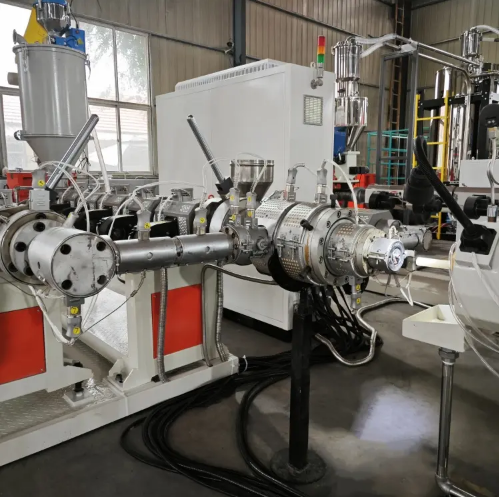
HDPE corrugated pipe works even better. It has a smooth inside and a tough outside. It is good for city drains and highways. You can put it in fast, even if the ground moves. Qingdao Zhongrui Plastic Machinery Co., Ltd. makes machines to help you make strong pipes for drains.
Tip: Many cities use hdpe corrugated pipe for new drains because it lasts long and is good for the planet.
Cable Protection and Sewage
Corrugated pipe protects cables and moves waste. You can use it to cover power cables and fiber optics. The pipe bends without breaking, so it fits in hard places. The double-wall design bends under stress and keeps cables safe.
Double-wall pipes bend under pressure, so they do not crack in moving soil or cold weather.
The outside is strong and holds weight, while the inside is smooth for water and sewage.
HDPE pipes do not rust or break down, so they last almost 100 years.
Corrugated pipe in sewage systems stops leaks and rust. Corrugated Aluminum Alloy Pipe works well in salty places. It lasts longer than regular metal pipes. Corrugated stainless steel pipes do not rust and work for many years. You spend less time and money fixing pipes.
We make machines to help you build pipes for cables and sewage. Our customers say our machines are easy to use and make good pipes.
User Review: "We used Qingdao Zhongrui’s PVC pipe machine for our project. The pipes were strong and easy to put in. We finished early!"
Culverts and Irrigation
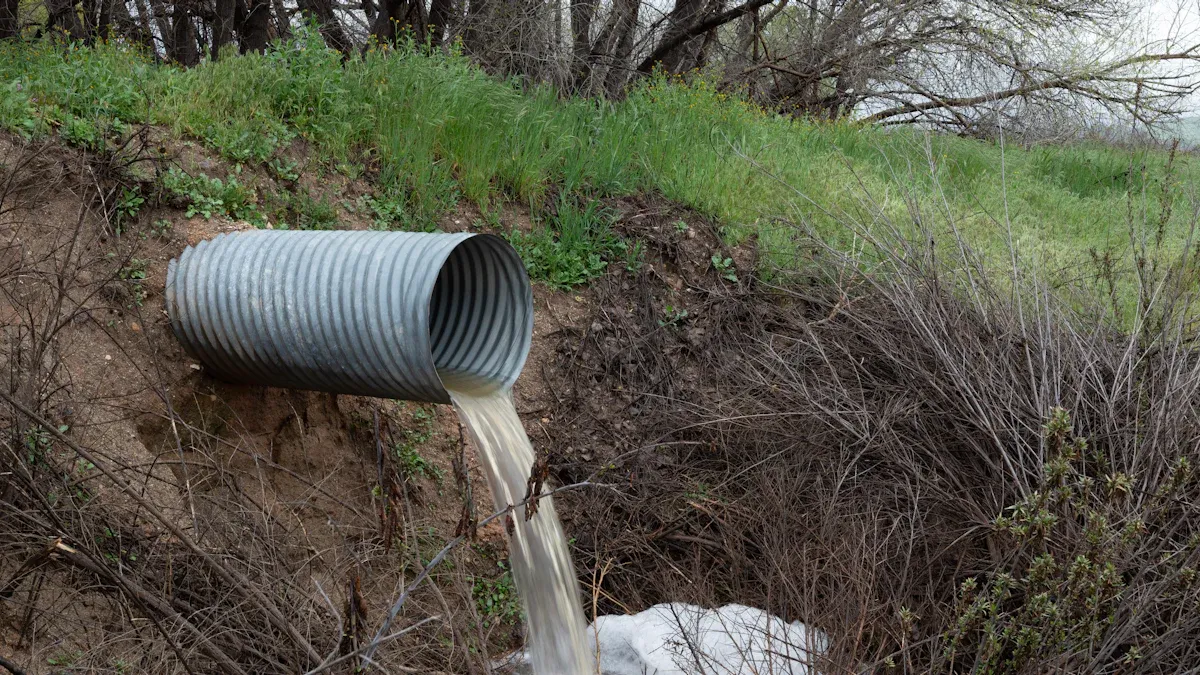
Corrugated pipe is used in culverts under roads and for farm irrigation. These pipes carry water under highways and to crops. Corrugated pipe is strong, light, and easy to use.
Advantage | Description |
Durability | Very strong and does not wear out or rust. |
Cost-effectiveness | Cheap to make and ship because it is light. |
Easy installation | Quick to put together, so workers finish fast. |
Versatility | Can be changed for different jobs and needs. |
Logistical advantages | Pipes fit inside each other, so shipping is cheaper. |
Environmental sustainability | Made from recycled stuff, so it helps the planet. |
HDPE corrugated pipe is good for culverts and irrigation. It is light and easy to move. It does not rust or get ruined by chemicals. HDPE pipe is recyclable and lasts a long time.
Aspect | HDPE Corrugated Pipe | Metal Alternatives |
Carbon Emissions | Makes less pollution when made and put in | Makes more pollution because it needs more energy |
Recyclability | Can be recycled all the way | Can be recycled but not as much |
Durability | Does not rust or break down | Rusts and wears out faster |
Environmental Disturbance | Easy to put in, so less mess | Harder to put in, so more mess |
Service Life | Lasts a long time, so you replace it less | Wears out faster, so you replace it more |
Installation Efficiency | Light and bends, so it is easy to put in | Heavy and hard to install |
Qingdao Zhongrui Plastic Machinery Co., Ltd. helps you with machines to make pipes that last, save money, and help the planet.
Note: When you pick corrugated pipe for drains, cables, or irrigation, you get a solution that works well, lasts long, and is good for the environment.
Corrugated Pipe Types
Plastic vs. Metal
You can pick plastic or metal corrugated pipe. Each kind has its own good points. Plastic pipes are light and simple to move. You do not need big machines to put them in. This saves money when you install them. Plastic pipes do not rust, so they last longer in wet places. Metal pipes are heavy and cost more to put in. They are strong and work well under roads or in tunnels. Metal pipes can rust if the ground is damp.
Feature | Plastic Pipes | Metal Pipes |
Cost | Cheaper to install | Costs more to install |
Weight | Light | Heavy |
Corrosion Resistance | Does not rust | Can rust and break down |
Plastic corrugated pipe is used for drains, stormwater, and utility tunnels. Metal pipes are used for highways, rail tunnels, and mines.
Pipe Type | Recommended Applications |
Plastic Corrugated Pipe | Drainage, stormwater, utility tunnels |
Metal Corrugated Pipe | Highways, rail tunnels, mining |
Single wall and double wall pipes are the most common. These pipes work well for drains because they bend and do not rust.
Perforated vs. Solid
You need to choose perforated or solid corrugated pipe. Solid pipes let water in only from the top. Perforated pipes take water from all around. This helps water drain better. Perforated pipes use water’s natural flow to fill up. They help control water when it rains a lot.
Tests show perforated pipes can lose up to 55 cm of water in underground irrigation. Most of this loss is from water leaving through the holes. More rows of holes make it easier for water to get in, so draining works better.
Study | Findings | Notes |
Bournival et al. (1987) | Water loss up to 55 cm in underground irrigation | 75% of loss is from water leaving holes |
Prasher et al. (1989) | Less than 3.7 cm water loss | Results change with different hole patterns |
Gaj and Madramootoo (2020) | More rows of holes lower resistance | Important for drainage setups |
Choosing the Right Type
Pick the best corrugated pipe for your job. Think about what you need the pipe to do. Check the soil, water, and chemicals in the area. Make sure the pipe can hold the weight and stress it will face.
Criteria | Description |
Intended Application | What you want the pipe to do, like drain water or hold up dirt. |
Environmental Conditions | Things like soil type, water, and chemicals nearby. |
Load-Bearing Requirements | How much weight and pressure the pipe must handle. |
Do not make these mistakes when picking a pipe:
Do not forget to check quality. Bad pipes break early.
Always check if delivery is on time. Late pipes cost more.
Make sure you can get help if you need it. Good support helps with setup and later problems.
If you want a pipe that bends and lasts, hdpe corrugated pipe is a smart pick. It works well for drains and utility jobs.
Tip: Always pick the pipe that fits your project. This helps you get good results and stops problems later.
Installation Methods
Connection Techniques
You have several ways to connect corrugated pipe during installation. Each method helps keep your system strong and leak-free. The expanding molding method creates a socket at the end of the pipe. This socket has good rigidity and holds the joint tight. You can also use a heat shrink sleeve connection. This method wraps a special sleeve around the joint and shrinks it with heat. The sleeve seals the joint and keeps water out. Both methods give you watertight joints. They also protect against corrosion. When you use these techniques, you help your drainage system last longer and work better.
Tip: Always check that each joint is tight before you cover the pipe with soil. A good connection stops leaks and keeps your system safe.
Practical Considerations
You need to think about the ground and materials before you start installation. The type of soil at your site changes how you should install the pipe. Here are some things to keep in mind:
Use Controlled Low Strength Material (CLSM) if you want to avoid free-draining backfill. CLSM gives you strong support.
Try soil-cement mixes in places where you do not have coarse-grained soils. These mixes make the soil better for installation.
Learn about the moisture-density relationship of your soil. This helps you get the best results during installation.
Look at site-specific factors. Think about support needs, where your project is, and how much materials cost.
You should always match your installation method to the soil and project needs. This helps your corrugated pipe system stay strong and last a long time.
Note: Careful planning during installation saves you time and money later. Good preparation means fewer repairs and better performance.
Now you know corrugated pipe is strong and bends easily. People use it for drains, cable covers, sewage, and culverts. It is simple to put in, lasts a long time, and saves money. The table below shows why many people pick it for new building projects:
Benefit | Description |
Flexibility | Bends around corners and works on rough ground |
Durability | Does not rust and can last more than 50 years |
Efficiency | Light, simple to install, and helps lower costs |
Environmental Advantage | Can be recycled and is good for green building |
Think about using corrugated pipe for your next job if you want something that works well and lasts.
FAQ
What is corrugated pipe used for?
Corrugated pipe helps with drainage, cable protection, sewage, and culverts. People use it in cities, on farms, and on highways. It moves water, keeps wires safe, and helps manage waste.
How do you choose between plastic and metal corrugated pipe?
Pick plastic pipe if you want something light that does not rust. Choose metal pipe if you need more strength under roads. Think about your project, the soil, and your budget before picking.
Can you use corrugated pipe for underground drainage?
Yes, you can use corrugated pipe for underground drainage. The pipe bends easily and can handle ground movement. It helps keep water away from buildings and roads.
How long does corrugated pipe last?
Corrugated pipe can last for 50 years or even longer. Plastic pipes do not rust and can handle chemicals. Metal pipes last many years if they have good coatings. Always follow tips for putting in the pipe to make it last.
What is the difference between perforated and solid corrugated pipe?
Perforated pipe has small holes that let water in. You use it to drain wet soil. Solid pipe keeps water inside and moves it from one spot to another.



 +86-18561886575 (Mr.Wu)
 +8618561886575
 238 Yangzhou West Road, Jiaozhou City, Qingdao City, Shandong Province