Introduction
Have you ever wondered how to upgrade walls quickly without messy construction? Many people now choose PVC wall panels instead of tiles or paint. They install faster and last longer in wet or busy spaces.
PVC wall panels have become a practical solution for modern interiors. They offer durability, water resistance, and simple installation. However, many users still feel unsure about how to use them correctly for the best results. In this article, we will explain how to use PVC wall panels step by step. You will learn how to prepare surfaces, install panels, and maintain them properly. We will also show how a PVC Wall Panel Production Line ensures consistent quality and makes installation easier.
How to Use PVC Wall Panels Step by Step
Step 1: Prepare the Wall Surface Properly
We always begin by preparing the wall. A clean and stable surface helps panels bond securely and last longer. Dust, grease, or loose paint can reduce adhesion, so we remove them carefully using mild cleaning tools. If the wall has cracks or holes, we repair them before installation.
We can install panels over plaster, tiles, or timber. Existing tiles are acceptable if they are firmly attached and clean. For uneven walls, we often install timber battens. They create a flat base and allow space for hidden wiring or pipes, which is useful in renovation projects.
Step 2: Plan the Layout and Measure Accurately
Planning saves time during installation. We measure the wall height and width, then calculate how many panels are needed. Adding around 10% extra material helps avoid shortages caused by cutting or adjustments.
We also decide the panel direction. Vertical installation is more common because it simplifies alignment and makes rooms appear taller. Horizontal layouts create a wider visual effect. Planning trim positions at corners and ceilings ensures a clean and professional finish.
Planning Element | Why It Matters | Result |
Accurate measurement | Reduces waste | Saves cost |
Layout planning | Improves alignment | Better appearance |
Extra material | Covers cutting loss | Smooth workflow |
Step 3: Cut PVC Panels to Fit Precisely
Cutting panels requires careful measurement. We use tools like a fine-tooth saw, jigsaw, or utility knife depending on panel thickness. Clean cuts prevent edge damage and ensure panels fit properly.
When working around pipes or fixtures, we measure positions carefully and drill holes slightly larger than needed. This allows easier fitting without damaging the panel. After installation, trims or collars cover these areas, keeping the finish neat and professional.
Step 4: Install PVC Wall Panels Securely
Installation methods depend on wall condition. The adhesive method is the most common. We apply adhesive evenly on the back of the panel and press it firmly onto the wall. This method works best on smooth surfaces and reduces installation time.
For uneven walls, we use battens and fix panels with screws or staples through the tongue edge. This provides extra stability and allows panel replacement later. The tongue-and-groove system helps panels connect seamlessly, creating a clean and aligned surface.
Step 5: Finish, Seal, and Inspect the Installation
After panels are installed, finishing becomes important. We apply silicone sealant along edges, joints, and around fixtures. This step prevents water from entering behind panels and protects the wall structure.
We also install trims at corners, edges, and ceilings. They improve both durability and appearance by hiding cut edges. A final inspection ensures panels are aligned, joints are tight, and all areas are properly sealed.

What Makes PVC Wall Panels Easy to Use in Different Spaces?
Water Resistance and Hygiene Benefits
PVC panels perform very well in wet environments like bathrooms and kitchens. They resist moisture effectively and do not warp or crack easily over time. This makes them a reliable option for long-term use in high-humidity areas where traditional materials may fail.
They also resist mold and mildew, which helps maintain better hygiene. This feature is especially valuable in commercial spaces such as hospitals, restaurants, and clinics, where cleanliness is critical and easy maintenance is required.
Lightweight Structure and Easy Handling
PVC wall panels stand out because they are much easier to handle than traditional materials like tiles or wood. Their lightweight nature simplifies transportation, cutting, and installation, which helps reduce overall labor effort and project time.
Feature | Description | Practical Benefit |
Lightweight Material | PVC panels weigh less than tiles or wood panels | Easier to carry and position during installation |
Easy Cutting | Can be cut using simple tools like a saw or knife | Reduces need for specialized equipment |
Quick Installation | Panels are simple to align and fix | Saves time and lowers labor costs |
Manageable Size | Even large panels are easy to handle | Suitable for both professionals and DIY users |
Versatile Applications Across Industries
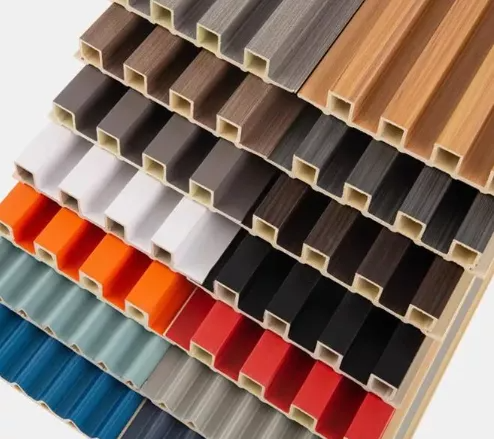
PVC panels are widely used in homes, offices, retail spaces, and industrial environments. They come in various colors and textures, allowing flexible design choices to match different styles. This variety helps them adapt easily without requiring additional finishing work or decoration.
Their versatility also means they can be used in both small renovation projects and large commercial installations. This flexibility makes them a practical and efficient solution across many industries.
Tools and Materials Needed for Efficient Installation
Essential Tools for Installation
We prepare tools before starting work. This ensures accuracy and reduces delays during installation.
● Measuring tape helps ensure precise panel sizing
● Spirit level keeps panels straight and aligned
● Saw or jigsaw enables clean and accurate cuts
● Drill supports fixing battens and panels securely
● Caulking gun allows smooth sealant application
Required Materials for a Complete Setup
We also select materials carefully to ensure durability and performance. High-quality materials improve both installation and long-term results.
Material | Purpose | Benefit |
PVC panels | Wall covering | Durable finish |
Adhesive | Bonding panels | Strong attachment |
Trims | Edge finishing | Clean appearance |
Sealant | Waterproofing | Prevents leaks |
Using the right combination of materials helps ensure a smooth installation process. It also improves the overall stability and lifespan of the finished wall.
How PVC Wall Panel Production Line Enhances Usability
Precision Manufacturing for Better Installation
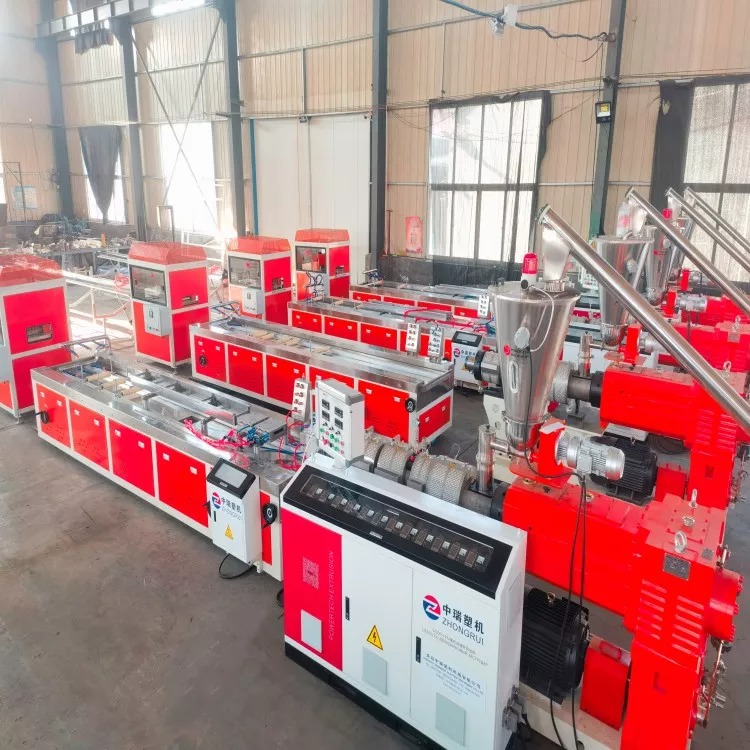
A modern PVC Wall Panel Production Line ensures panels have consistent dimensions. This precision allows panels to fit tightly and reduces gaps during installation.
Manufacturers like Zhongrui focus on advanced extrusion technology and quality systems. Their experience helps ensure panels meet international standards and perform reliably in different environments.
Surface Design and Decorative Flexibility
During production, decorative layers are applied directly onto panels. This creates realistic textures such as wood or marble finishes. It eliminates the need for additional painting or coating.
This feature not only saves time but also improves visual quality. It allows us to achieve a finished look immediately after installation.
Automation and Consistent Quality Output
Automation plays a key role in modern production. A PVC Wall Panel Production Line produces panels with uniform thickness and smooth edges. This consistency improves installation efficiency and reduces errors.
Consistent production quality ensures panels perform well across different applications and environments.
Choosing the Right PVC Wall Panels for Your Project
Panel Thickness and Size Selection
Choosing the right panel depends on project requirements. Thicker panels provide better strength and insulation, while thinner panels are easier to handle and install.
Thickness | Application | Advantage |
5mm | Residential | Lightweight |
8mm | General use | Balanced performance |
10mm | Commercial | Strong and durable |
Matching Design with Interior Style
We select panel designs based on the overall interior theme. Modern spaces often use smooth or marble finishes, while traditional styles may use wood textures.
PVC panels offer a wide range of colors and patterns. This flexibility allows us to create customized interiors without additional decoration work.
Maintenance Tips After Installation
Proper maintenance keeps PVC wall panels looking clean and performing well over time. With simple care routines and regular checks, we can extend their lifespan and maintain their original appearance without much effort.
Maintenance Type | Action | Purpose | Result |
Daily Cleaning | Use damp cloth and mild soap | Remove dirt and stains | Keeps panels clean and fresh |
Avoid Harsh Tools | Do not use abrasive cleaners | Protect surface finish | Prevents scratches or damage |
Sealant Check | Inspect joints and edges regularly | Detect gaps or wear early | Maintains waterproof performance |
Resealing | Apply sealant if gaps appear | Block moisture entry | Prevents long-term damage |
Edge Care | Keep edges dry and clean | Reduce moisture exposure | Extends panel lifespan |
Consistent maintenance ensures panels remain durable and visually appealing. It also helps avoid costly repairs by addressing small issues early.

Why Reliable Manufacturing Matters for PVC Panels
Production Quality and Product Performance
A reliable PVC Wall Panel Production Line ensures consistent quality across every panel. Panels produced under strict control maintain stable structure, accurate dimensions, and smooth surfaces. This consistency makes installation easier and reduces alignment issues during projects.
Companies like Zhongrui bring strong experience in plastic extrusion and global supply. Their focus on innovation, precision engineering, and quality management helps deliver dependable products for various markets and applications.
Confidence in Global Applications
PVC panels are widely used worldwide because of their reliability and adaptability. Consistent production ensures they perform well in different environments, including humid, high-traffic, or commercial spaces.
This reliability builds trust among users and supports long-term use in both residential and commercial projects. It also helps reduce maintenance concerns and improves overall project efficiency.
Conclusion
PVC wall panels provide a simple and efficient way to upgrade interior walls. We can install them quickly, maintain them easily, and rely on them for long-term performance in different environments. From proper preparation to careful installation, each step plays a role in achieving a clean and durable result.
Behind this convenience, a reliable PVC Wall Panel Production Line ensures consistent panel quality, stable structure, and smooth installation. Qingdao Zhongrui Plastic Machinery Co., Ltd. offers advanced production solutions that help manufacturers deliver high-quality panels with precision and efficiency. Their technology supports better performance, reduces installation issues, and adds real value to modern construction and renovation projects.
FAQ
Q: How do you install PVC wall panels step by step?
A: Start by cleaning and preparing the wall surface. Measure and plan the layout carefully, then cut panels to size. Fix them using adhesive or battens, and finish with trims and sealant. Panels made from a reliable PVC Wall Panel Production Line ensure better fit and easier installation.
Q: Can PVC wall panels be installed over existing tiles?
A: Yes, you can install them directly over tiles if the surface is clean and stable. This saves time and reduces labor. Panels produced through a PVC Wall Panel Production Line usually have uniform thickness, which helps them sit evenly over tiled surfaces.
Q: Why are PVC wall panels suitable for bathrooms and kitchens?
A: They resist water, mold, and mildew, making them ideal for wet areas. They also require minimal maintenance. Consistent quality from a PVC Wall Panel Production Line improves durability and long-term performance in humid environments.
Q: What tools are needed to use PVC wall panels?
A: You typically need a measuring tape, level, saw, drill, and caulking gun. These tools help ensure accurate cutting and proper installation. High-quality panels from a PVC Wall Panel Production Line reduce cutting errors and improve efficiency.
Q: How much do PVC wall panels cost compared to tiles?
A: PVC panels are generally more cost-effective than tiles. They reduce labor time and do not require grout or painting. Their value increases when produced by an advanced PVC Wall Panel Production Line, as it ensures consistent quality and reduces installation waste.
Q: What are the main advantages of PVC wall panels?
A: They are lightweight, durable, water-resistant, and easy to install. They also come in various designs. Panels made through a PVC Wall Panel Production Line offer better surface finish and structural consistency.



 +86-18561886575 (Mr.Wu)
 +8618561886575
 238 Yangzhou West Road, Jiaozhou City, Qingdao City, Shandong Province