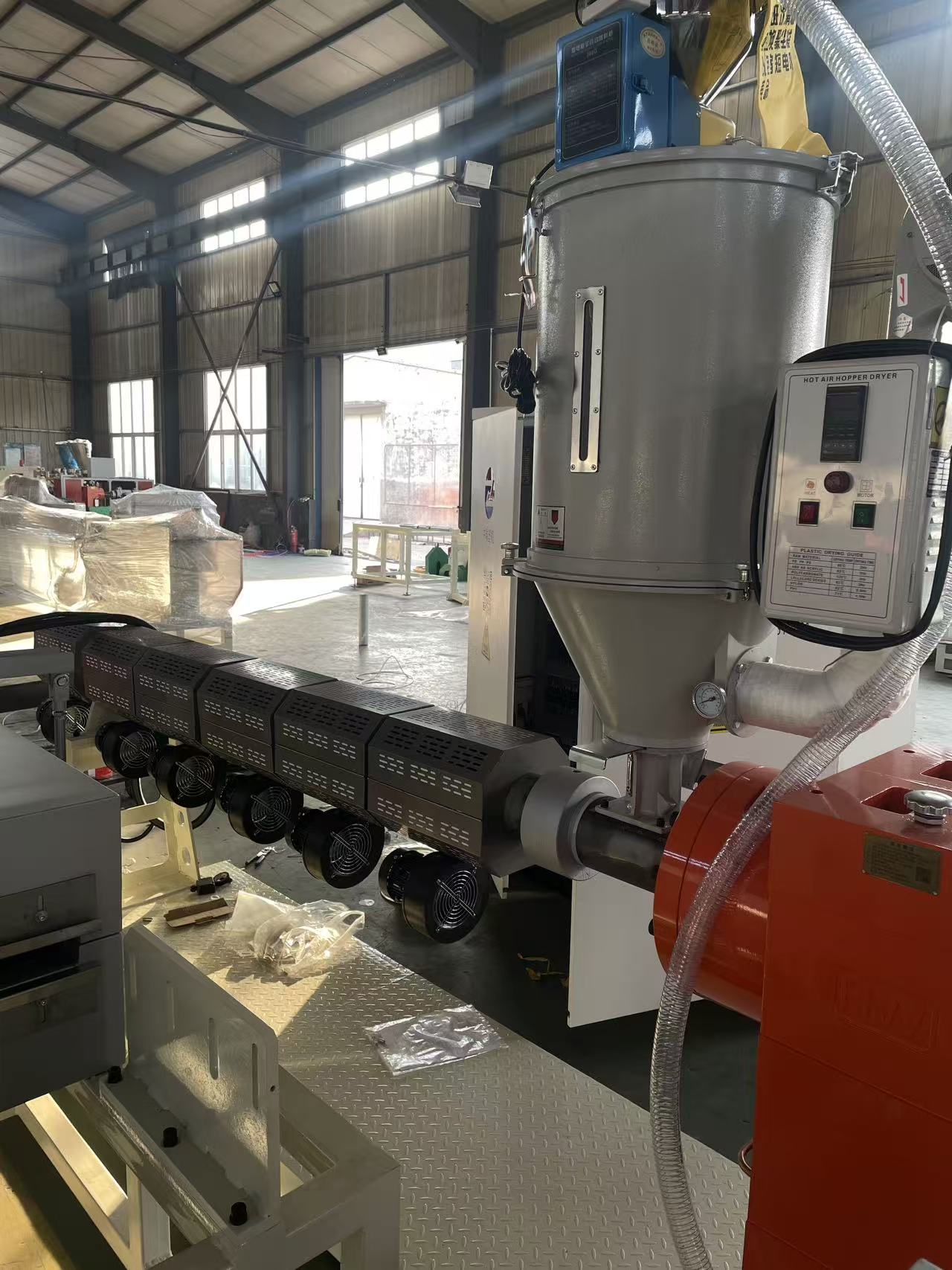
A plastic extruder is a machine that forms raw plastic into long products like pipes or sheets. This machine pushes melted plastic through a mold, called a die, to make long shapes. Plastic extrusion is important for making many things we use every day. Factories use plastic extrusion to make items fast and with little waste. The plastic extruder helps make enough plastic products for people today.
Key Takeaways
A plastic extruder heats up raw plastic. It pushes the melted plastic through a mold. This makes long shapes like pipes and sheets. The extrusion process starts with plastic pellets. The machine melts the pellets. Then it shapes them with a die. Next, the plastic cools down. Workers cut it to the right size. Plastic extruders help factories make products fast. They also help use less material and save money. There are different extruders for different jobs. Single screw and twin screw extruders work with many plastics. Plastic extrusion helps recycle old plastic. This saves money and helps the planet.
Plastic Extruder Basics
What Is a Plastic Extruder
A plastic extruder is a special machine. It changes raw plastic into long shapes. The machine heats up plastic pellets or granules. Then, it melts them using heat and pressure. Inside the machine, a screw turns and moves the melted plastic forward. The plastic travels through a barrel. At the end, the plastic goes through a die. The die shapes the plastic into its final form. Factories use plastic extruders to make long and even products. These machines can work for many hours without stopping. This helps factories make more products. Workers can change the temperature and speed. This helps control how good the plastic extrusion is. Most extrusion machines can use different plastics, like polyethylene or PVC. The plastic extruder is important in making things. It turns raw plastic into useful items.
Note: The way the plastic extruder is built helps it work well and give steady results in plastic extrusion.
Main Uses
Plastic extrusion makes many things we use every day. The process creates items with the same shape all the way through. Some common things made this way are:
Pipes and tubes, like water pipes and plastic tubing
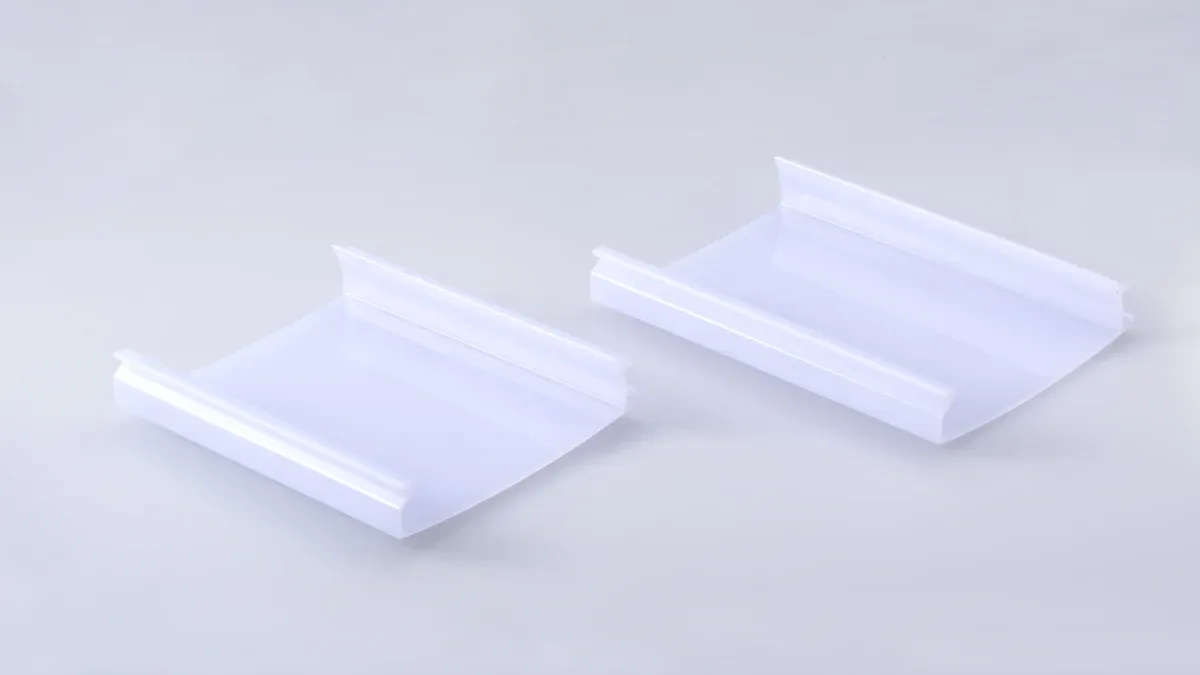
Plastic sheets for packaging, building, or signs
Films for wrapping food or for factories
Window and door frames
Wire and cable covers
Weatherstripping and seals
Factories use extrusion machines to make these things fast and with little waste. Plastic extrusion lets companies make special shapes and sizes. They can change the die to make new products. The process is good for making lots of items at once. This helps keep prices low. Many businesses, like building, car making, and packaging, need plastic extrusion for their products.
Product Type | Example Uses |
Pipes & Tubes | Plumbing, irrigation |
Plastic Sheets | Packaging, displays |
Films | Food wrap, agriculture |
Profiles | Window frames, trim |
Wire Insulation | Electrical cables |
Plastic extrusion is great because it can make easy or hard shapes. The plastic extruder helps make enough plastic sheets, pipes, and other things. Companies use extrusion machines to meet big orders and make strong products.
Plastic Extrusion Process
How It Works
The plastic extrusion process changes raw plastic into useful shapes. Workers feed plastic pellets or granules into the extrusion machine. The machine uses heat and pressure to melt the plastic. A screw inside the barrel turns and pushes the melted plastic forward. The plastic moves through the barrel until it reaches the die. The die shapes the melted plastic into a long form, like a pipe or sheet. The plastic leaves the die while still hot and soft. Cooling systems then make the plastic hard and strong. The plastic extrusion process creates products with the same shape all the way through.
The die acts like a mold. It gives the plastic its final shape during the plastic extrusion process.
Key Steps
The plastic extrusion process follows several main steps. Each step helps turn raw plastic into finished products. Here are the key steps:
Feeding
Workers pour plastic pellets or granules into the hopper. The hopper sits at the top of the extrusion machine. Gravity pulls the plastic down into the barrel.
Melting
Heater bands around the barrel warm up the plastic. The screw inside the barrel turns and mixes the plastic. The plastic melts as it moves forward. Most extrusion machines heat the plastic to temperatures between 350°F and 600°F (about 175°C to 315°C). The right temperature depends on the type of plastic.
Shaping
The melted plastic reaches the die at the end of the barrel. The die shapes the plastic into a long, steady form. The shape of the die decides if the product will be a pipe, sheet, or another profile. The plastic extrusion process uses different dies for different products.
Cooling
The hot plastic leaves the die and enters a cooling system. Water baths or air coolers help the plastic harden quickly. Cooling keeps the shape steady and stops warping.
Cutting
After cooling, machines cut the plastic into the right lengths. Some products, like pipes, get cut into short pieces. Others, like sheets, get rolled up for storage.
Step | What Happens | Why It Matters |
Feeding | Plastic enters the extrusion machine | Starts the plastic extrusion process |
Melting | Plastic heats and melts | Makes plastic easy to shape |
Shaping | Die forms the melted plastic | Gives the product its shape |
Cooling | Plastic hardens in cooling system | Keeps the shape strong |
Cutting | Machines cut or roll the product | Prepares for shipping or use |
The plastic extrusion process helps factories make many products quickly. Extrusion machines can run for long hours without stopping. This makes production fast and steady. The process also uses less material and creates less waste. Many industries use extrusion machines to make pipes, films, and sheets. The plastic extrusion process supports large-scale production and helps meet high demand.
Tip: Changing the die lets workers make new shapes without buying a new machine. This makes the plastic extrusion process flexible for different products.
Plastic Extruder Components
Hopper
The hopper sits at the top of the plastic extruder. Workers pour plastic pellets or granules into this part. The hopper stores the raw plastic before it enters the machine. Gravity pulls the plastic down from the hopper into the barrel. Some hoppers have dryers to remove moisture from the plastic. Dry plastic helps prevent defects in the final product.
Tip: Keeping the hopper clean helps avoid contamination in the plastic extrusion process.
Barrel and Screw
The barrel forms the main body of the extruder. Inside the barrel, a long screw turns and pushes the plastic forward. The screw mixes, melts, and moves the plastic through the barrel. The barrel keeps the heat inside and guides the plastic toward the die. Different screw designs help process different types of plastic.
Heater Bands
Heater bands wrap around the outside of the barrel. These bands heat the barrel to the right temperature. The heat melts the plastic as it moves through the screw. Operators can control the temperature of each heater band. This control helps make sure the plastic melts evenly.
Component | Function |
Heater Bands | Heat and melt the plastic |
Die
The die sits at the end of the barrel. Melted plastic flows through the die. The die shapes the plastic into its final form, such as a pipe, sheet, or profile. Changing the die allows the machine to make different products. The die must match the product’s shape exactly.
Note: The quality of the die affects the smoothness and accuracy of the finished product.
Cooling System
The cooling system hardens the shaped plastic as it leaves the die. Most systems use water baths or air blowers. Cooling keeps the product’s shape steady and prevents warping. Fast and even cooling helps make strong, high-quality products.
The main components of a plastic extruder work together to turn raw plastic into finished products. Each part plays a key role in the extrusion process.
Types of Plastic Extruders
Single Screw
Single screw extruders have one screw that spins inside the barrel. This type works for most plastics used in factories. Many companies use single screw machines to make pipes, sheets, and 3d printing filament. These extruders can handle materials like polyethylene, polypropylene, and PVC. Operators think they are simple to use and easy to fix. Single screw extruders cost less than twin screw machines. Companies pick this type for easy jobs and making lots of products.
Twin Screw
Twin screw extruders have two screws that spin together. These machines mix plastic better than single screw types. Twin screw extruders can do harder jobs, like making special blends or adding color. They work well for recycling and making 3d printing filament with extra features. Twin screw machines process plastics that need more mixing, like filled or reinforced types. Factories use them for products that need strong or bendy plastic.
Extruder Type | Number of Screws | Best For | Example Products |
Single Screw | 1 | Simple plastics | Pipes, sheets, filament |
Twin Screw | 2 | Blends, recycling | Specialty filament, compounds |
Note: Twin screw extruders cost more, but they mix better and can do more jobs.
Low Cost Plastic Extruder
A low cost plastic extruder helps small businesses and schools try plastic extrusion. These machines use simple parts and easy controls. Many people use a low cost plastic extruder to make test samples or small batches. Some hobbyists use them to recycle plastic at home. These machines help people learn about extrusion without spending a lot.
Benchtop and Custom Models
Benchtop extruders fit on a table and do not need much space. Labs and classrooms use these machines for teaching and research. Custom models can do special jobs, like making new shapes or testing new plastics. Some benchtop extruders help users make small amounts of 3d printing filament for tests. These machines let people try new ideas before making lots of products.
Tip: Benchtop and custom extruders help inventors and students learn about plastic extrusion by doing it themselves.
Plastic Extrusion Applications
Common Materials
Plastic extrusion uses many kinds of plastic. Factories pick materials based on what the product needs. Polyethylene is good for making pipes and films. Polypropylene is strong and does not get damaged by chemicals. Polyvinyl chloride (PVC) is used a lot in building things. Polystyrene is used to make things that are light. Acrylonitrile butadiene styrene (ABS) is tough and used for 3d printing filament. Thermoplastic polyurethane (TPU) is bendy and used for special products. These plastics melt and move easily in plastic extrusion. Each type is used for different things in plastic extrusion.
Tip: Picking the best plastic helps make better products and makes production easier.
Typical Products
Plastic extrusion makes many things people use every day. Some common products are:
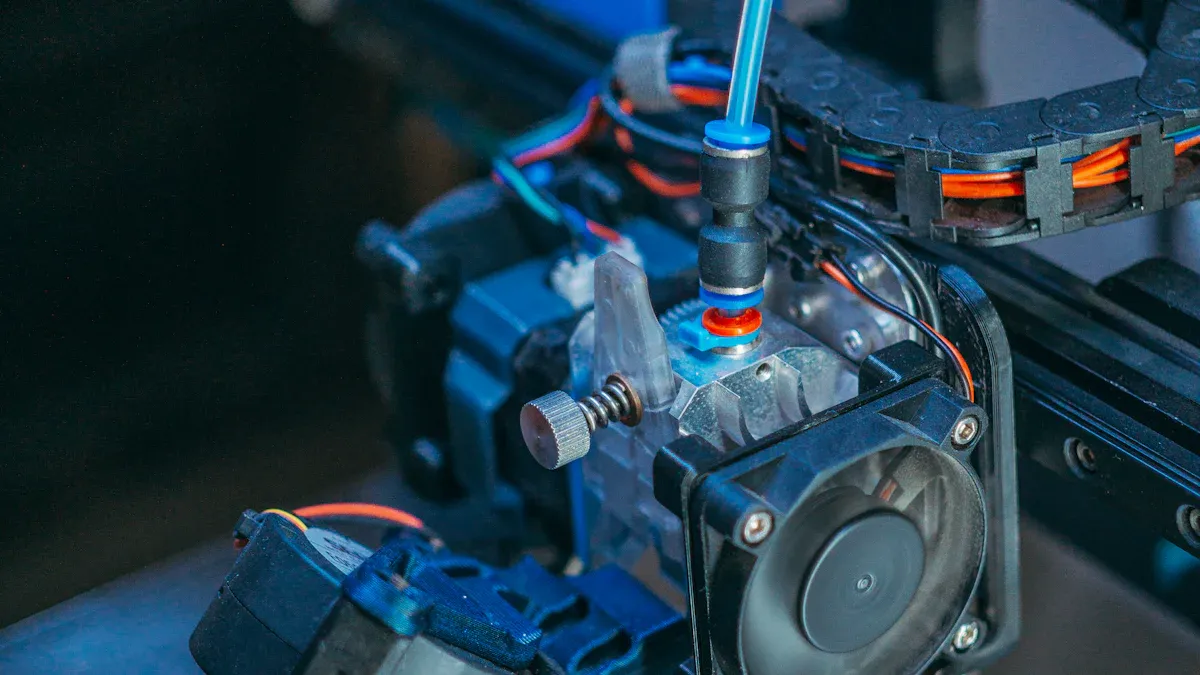
Factories use plastic extrusion to make filament. This process turns melted plastic into thin strings. These strings are used as 3d printing filament. Big factories can make thousands of pounds of filament each day. Plastic extrusion also helps make lots of pipes and sheets fast.
Product Type | Example Use |
3d printing filament | 3D printers |
Tubes and pipes | Plumbing, irrigation |
Films | Food packaging, farming |
Profiles | Window frames, trim |
Industry Uses
Many industries need plastic extrusion. Construction uses pipes, siding, and window frames. Car makers need seals, cable covers, and trim. Electronics companies use 3d printing filament and wire insulation. Medical companies need tubing and packaging. The packaging industry uses films and sheets. Filament production helps the 3d printing market grow. Plastic extrusion is used for more things as new products are made. Making lots of products at once helps companies fill big orders fast.
Plastic extrusion lets companies make strong, custom products for less money.
Advantages and Limitations
Benefits
Plastic extruders help many companies make things fast and cheap. These machines can work for a long time without stopping. They make lots of products in a short time. Factories use plastic extruders to shape different kinds of plastic. This process uses almost all the raw plastic, so there is less waste. Companies can put old plastic back into the extruder to recycle it. This helps save plastic and is good for the earth.
Plastic extrusion makes products that are always the same size and shape. Workers can switch the die to make new things. They do not need to buy a new machine. This saves both money and time. The process also uses less power than some other ways to make plastic. Many people use plastic extruders at home or in small shops to recycle plastic.
Tip: Recycling plastic with extruders can save money and help the environment.
Challenges
Plastic extruders also have some problems. Not every kind of plastic works in every machine. Some plastics need special settings or machines. If workers do not set the right heat or speed, the products can turn out bad. Plastic waste can pile up if the process is not watched closely. Factories must check for clogs or jams that can stop the machine. Jams can also make more waste.
Plastic extrusion sometimes leaves air bubbles in the product. Air bubbles can make the item weaker. Some things need extra work after extrusion, which takes more time and money. If companies do not handle waste right, it can hurt the earth. Workers must be careful because the machines get very hot.
Challenge | Impact on Production |
Wrong settings | More plastic waste |
Machine jams | Lost time, more waste |
Air bubbles | Weaker products |
Extra steps needed | Higher costs |
Note: Good training and careful work can help make less waste and better products.
Plastic extrusion turns raw plastic into things we use every day. This process lets factories make products fast and not waste much. People who work in making things, recycling, or designing can learn a lot from plastic extrusion. If you want to know more, you can read guides, watch videos, or go to a workshop nearby.
Learning about plastic extrusion can help you think of new ideas and make better things.
FAQ
What is the main purpose of a plastic extruder?
A plastic extruder changes raw plastic into long shapes. It melts plastic pellets and pushes them through a die. This makes things like pipes, sheets, and films for many uses.
Can a plastic extruder recycle plastic waste?
Yes, a plastic extruder can recycle old plastic. Factories use these machines to melt and shape used plastic into new items. This cuts down on waste and helps the environment.
How do workers control the quality of extruded plastic?
Workers set the temperature, screw speed, and die shape to control quality. They watch the process carefully. Regular checks help stop problems and make sure products are good.
What types of products can plastic extrusion make?
Plastic extrusion makes pipes, films, sheets, window frames, cable covers, and 3D printing filament. The process makes products that have the same shape from end to end.
Are plastic extruders safe to use?
Plastic extruders have shields and emergency stops for safety. Workers must follow rules because the machines get very hot. Training helps keep everyone safe.



 +86-18561886575 (Mr.Wu)
 +8618561886575
 238 Yangzhou West Road, Jiaozhou City, Qingdao City, Shandong Province