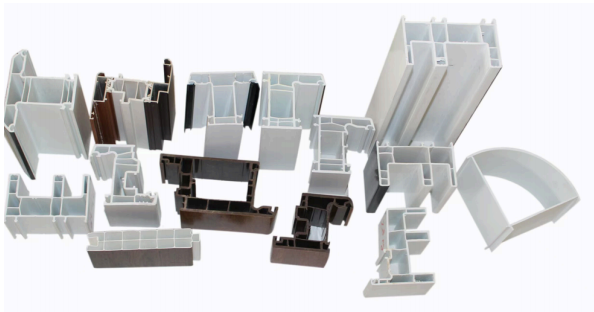
Extruded plastic is made when melted plastic goes through a shaped hole. This makes long, unbroken pieces. Plastic extrusion helps make many things. These include pipes, tubing, and special plastic shapes we use every day. The world market for extruded plastics is growing fast.
Year | Market Size (USD Billion) | CAGR (%) |
2023 | 170.74 | N/A |
2030 | 221.18 | 3.9 |
This process helps many industries. It uses methods that are quick and dependable.
Key Takeaways
Extruded plastic is made by pushing melted plastic through a shaped hole. This makes long, even pieces like pipes and tubes.
The extrusion process is fast and saves money. It also makes less waste than other ways like injection molding.
Plastic extrusion can make custom shapes and sizes. This makes it useful in many industries like construction, automotive, and medical.
Quality control during extrusion checks thickness, temperature, and pressure. This helps make strong and even products.
New technology and recycled materials help make extrusion better. They also make it more friendly to the environment.
Plastic Extrusion
What Is Extruded Plastic
Extruded plastic is made by pushing melted plastic through a die. This makes long pieces that keep the same shape all the way through. People use extruded plastic to make things like pipes, tubes, and window frames. The plastic extrusion process is good for making lots of these shapes without stopping. This helps products stay the same size and quality.
Manufacturers pick plastic extrusion when they need many items with the same shape. They use it for custom plastic shapes in building, cars, and packaging. This process works best for things that need to be long and even, like weatherstripping, wire covers, and blinds. These products often use plastics like polyethylene, polypropylene, and polyvinyl chloride.
Tip: Extruded plastic works well for custom plastic shapes that must be strong, bendy, and the same size.
How Extrusion Works
Plastic extrusion changes raw plastic into finished products step by step. First, plastic pellets or granules go into a hopper. The extruder heats and melts the plastic with heaters and a spinning screw. The melted plastic moves forward and gets pushed through a die to make the shape. The shaped plastic goes through a cooling system, like water or air, to get hard and keep its shape. Last, machines pull the cooled plastic and cut it to the right size or roll it up.
Here is a simple list of the extrusion steps:
Put plastic pellets or granules in the hopper.
Melt the plastic inside the extruder barrel.
Push the melted plastic through a die to make the shape.
Cool the shaped plastic fast to keep its form.
Pull and cut the finished product to the needed length.
Plastic extrusion is different from other ways of shaping plastic. Injection molding makes single parts by putting plastic into a mold. Extrusion makes long, simple shapes. Injection molding is good for tricky, 3D things like toys or car parts. Extrusion is better for easy, flat shapes like pipes and sheets.
Aspect | Plastic Extrusion | Injection Molding |
Production Nature | Makes long, even shapes without stopping | Makes single parts in cycles |
Efficiency & Output | Fast and good for lots of simple shapes | Good for many complex parts but takes longer |
Tooling Costs | Cheaper tools; simple die shapes | More expensive tools; tricky molds |
Setup Time | Shorter setup because tools are simple | Longer setup because molds are complex |
Material Waste | Less waste; extra can be reused | More waste, but some can be recycled |
Precision & Tolerances | Not as exact; good for about ±0.254 mm | Very exact; can be as close as ±0.127 mm |
Design Complexity | Only simple, even shapes | Can make tricky, detailed 3D shapes |
Surface Finish | Usually smooth but not many texture choices | Very smooth with lots of texture options |
Suitable Products | Pipes, tubes, sheets, profiles | Complex parts like car parts, medical devices |
Production Speed | Faster for long runs | Slower per cycle but can make many at once |
Manufacturers often use extrusion when they need lots of custom plastic shapes. This way costs less for tools, wastes less material, and makes simple shapes faster. Other ways, like injection molding, are better for tricky, 3D products that need to be very exact.
Plastic Extrusion Process
Step-by-Step Process
The plastic extrusion process changes raw plastic into finished items using clear steps. First, workers get plastic pellets ready and add color or other things. The pellets go into the extruder through a hopper. Inside, a screw turns and pushes the plastic forward. Heaters melt the plastic at very high heat, about 200°C. The melted plastic goes through a screen pack and breaker plate. These parts catch dirt and keep the pressure steady. The clean, melted plastic moves through a die to get its shape. After shaping, the plastic cools fast in water or on cooling rolls. This step makes the plastic hard and keeps its shape. At the end, machines cut or roll up the finished plastic for use or shipping.
Note: Every step in the plastic extrusion process must work well to keep the shape and quality the same.
Extruder Equipment
The extruder is the main machine for plastic extrusion. It has a hopper that puts plastic pellets into a hot barrel. Inside the barrel, a screw turns and moves the plastic forward. There are different kinds of extruders. Single screw extruders are most common and give steady results. Twin screw extruders have two screws for better mixing and control. These are good for mixing different materials. Some factories use co-extruders to make things with more than one layer. The die at the end shapes the plastic. Cooling systems, like water or air, help the plastic keep its shape.
Wall Thickness and Quality
Wall thickness is important for good extruded plastic products. Even thickness stops bending, twisting, and weak spots. Problems like bad heating, poor die design, or broken molds can cause thickness issues. Workers must check the extruder, die, and settings often. They use tools like vacuum calibration and process control to watch temperature, pressure, and speed. Regular checks find problems like cracks or color changes. Good quality control keeps products strong and safe. Factories also look out for environmental dangers. Some plastics let off fumes called VOCs during extrusion. Good air flow and safety gear keep workers safe and lower pollution.
Extruded Plastic Types
Extruded plastics can be made into many forms. The main types are tubing, pipe, sheets, films, and custom profiles. Each type is used in different ways and industries.
Tubing and Pipes
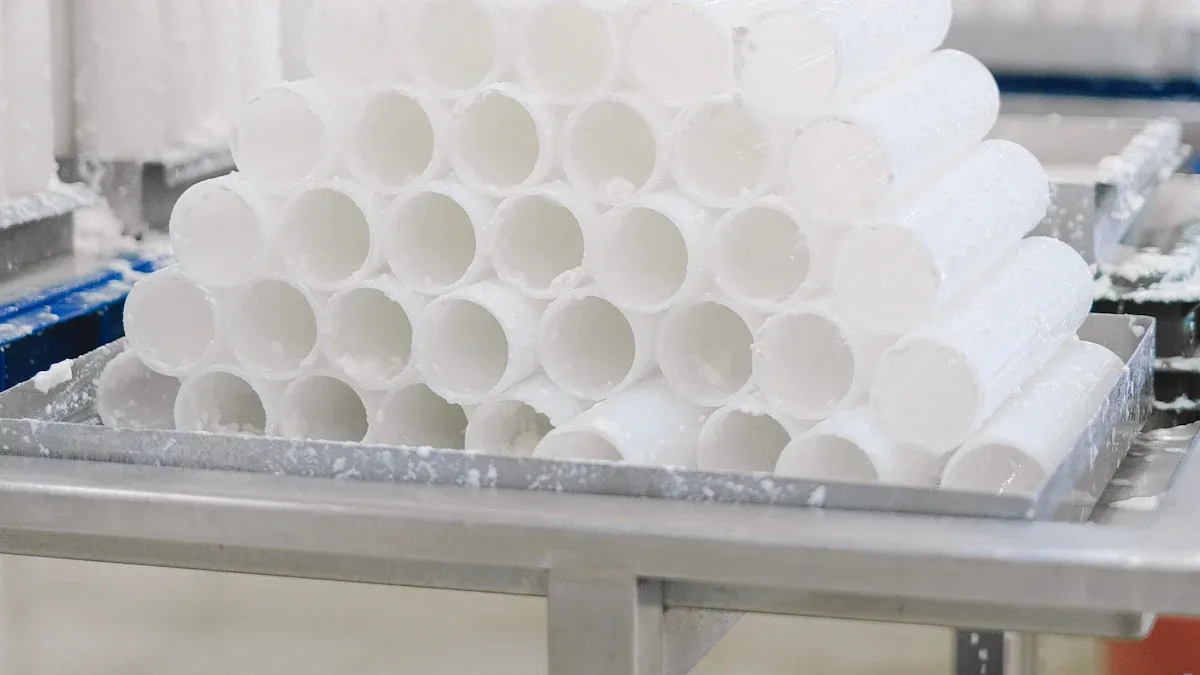
Tubing extrusion makes hollow shapes with smooth sides and even walls. Pipe and tubing are found in many places. Medical devices use tubing for catheters and IV lines. Construction uses pipe for plumbing, drains, and wires. Cars and planes use pipe for moving fluids and covering wires. Labs need tubing for moving chemicals and testing. Pipe and tubing extrusion lets workers control size and wall thickness. This is important for safety and how well things work.
Note: Polyethylene, polyvinyl chloride, and polypropylene are good for pipe and tubing. They do not break down from chemicals and stay strong for a long time.
Sheets and Films
Sheet extrusion makes flat plastic sheets with even thickness. These sheets are used for packaging, signs, and building panels. Film extrusion makes thin, bendy films for food wraps, bags, and tapes. Packaging uses both sheets and films to protect things and keep food fresh. Solar panels use plastic sheets for frames. Appliance makers use sheets for gaskets and handles. Film extrusion makes light, strong films that can stretch and seal well.
Aspect | Films | Sheets |
Thickness | Less than 0.25 mm (0.01 inches) | Greater than 0.25 mm, up to several centimeters |
Main Uses | Packaging, bags, tapes, soft goods | Packaging, trays, signage, construction |
Manufacturing | Film extrusion, blown film | Sheet extrusion, thermoforming |
Custom Profiles
Custom profiles are special shapes made for certain jobs. Companies design these for window frames, furniture edges, and car parts. Engineers pick the best material and shape for each part. They think about how it will fit, look, and work. Custom profiles can have tricky shapes and different wall thicknesses. The extrusion process lets factories make many colors, sizes, and features. They can add UV protection or flame resistance if needed. Custom profiles help companies make products that fit their needs.
Custom profiles show that extrusion is very flexible. Factories can quickly make new shapes when markets change.
Thermoplastic Material | Properties Making It Suitable for Extrusion | Common Uses |
Polycarbonate | Strong, shatterproof, heat resistant | Safety glazing, lighting, automotive |
Polyethylene | Versatile, chemical resistant, strong | Tubing, packaging, consumer goods |
Polypropylene | Durable, recyclable, heat resistant | Automotive, toys, gardening, pipe |
Polyvinyl Chloride | Rigid or flexible, lightweight, strong | Construction, pipe, electrical insulation |
ABS | Impact resistant, affordable | Automotive, electronics, toys |
Nylon | Strong, abrasion resistant | Load-bearing parts, construction |
Extrusion vs. Other Methods
Injection Molding Comparison
Extrusion and injection molding are two main ways to shape plastic. Each one is good for different jobs. Injection molding is best for making tricky 3D parts, like car dashboards or medical device covers. Extrusion makes long shapes, like pipes, tubing, and window frames.
The cost for each method is not the same. The table below shows how the costs are different:
Cost Factor | Extrusion | Injection Molding |
Equipment Cost | Lower due to simpler machinery | Higher due to complex, high-precision machines |
Material Utilization | High, continuous process with minimal waste | Moderate, more waste from gates and runners |
Labor Cost | Lower, continuous operation requires less manual intervention | Higher, cyclical process needs more monitoring |
Injection molding costs more to start. But if a company makes thousands of the same part, the price for each one goes down a lot. This makes injection molding great for making lots of detailed parts. Extrusion is better when you need simple, long shapes or not as many pieces.
In real life, factories use injection molding for big batches of detailed things. They use extrusion for long, even products that must be made fast and with less waste.
Unique Benefits
Extrusion is special because it is flexible and fast. It lets companies make many shapes and sizes that stay the same all the way through. The process can run all day and night, which helps save money. Factories can also change the die or plastic quickly. This makes it easy to try new designs or add features.
Some special benefits of plastic extrusion are:
Can make custom shapes for special jobs.
Wastes very little material, which saves money.
Can add things to make the plastic stronger, safer, or a new color.
Can cut or change the plastic while it is still hot.
Extrusion works with many kinds of thermoplastics, so engineers have more choices. The process makes products that look nice and are strong. Companies use extrusion for car weatherstripping, medical tubing, and building parts because it always works well and meets tough rules.
Applications of Plastic Extrusion
Industry Uses
Many businesses need plastic extrusion to make key products. Companies like extruded plastics because they are strong and light. They can also be made into special shapes. The table below shows how different industries use extruded plastic:
Industry | Primary Applications |
Consumer Goods | Window sashes, door seals, decorative trims, packaging strips |
Agriculture | Tubing for fluids, fencing, hydroponics parts |
Sports Equipment | Eco-friendly alternatives, custom profiles |
Aerospace & Aviation | Lightweight engine parts, protective casings |
Automotive | Engine parts, mechanical components, exterior trims |
Construction & Roadwork | Window frames, door jambs, drainage channels, wire management |
Electronics | Casings, enclosures, wire insulation |
Food & Beverage | Plastic films and sheets for packaging |
Hydroponics | Tubing and profiles for fluid movement and structure |
Industrial Manufacturing | Engine parts, corrosion-resistant coatings |
Medical | Tubing and profiles for medical devices |
Military & Defense | Heat-resistant components, protective coatings |
Retail | Packaging solutions, display trims |
Many things we use every day, like car trims and food wrappers, are made with extruded plastic for their shape and use.
Advanced Technologies
Plastic extrusion keeps getting better to meet new needs. In medicine, companies use multi-layer extrusion and co-extrusion for tubing. These methods help make small, exact parts for safer treatments. Hospitals want more disposable and high-quality medical items, so the market is growing.
Scientists also work on making plastics better for the planet. They create bio-based and biodegradable plastics for greener uses. New machines use less power and recycle more plastic. For example, MixFlow extrusion helps keep plastic strong after recycling, which helps the environment.
Other new things include:
Automation and smart sensors to check quality
3D printing with extrusion for special parts
Digital tools to help design and improve the process
New plastics that can handle more heat and last longer
These changes help companies make better products, use fewer resources, and create less waste. Plastic extrusion is still very important for things like medical tools and building supplies.
Extruded plastic helps make many things we use today. It turns melted plastic into pipes, sheets, and special shapes. This process is fast and does not waste much material. It can make many shapes for cars, buildings, and medical tools.
Plastic extrusion works quickly and makes parts the right size.
It can use new designs and different materials, even recycled ones.
Companies use it to make custom parts, save money, and keep quality the same.
Plastic extrusion keeps growing because it is dependable and can change to fit new needs.
FAQ
What products use extruded plastic?
Extruded plastic is in many things we use. Some examples are pipes, window frames, plastic films, and tubing. Factories also make weatherstripping, cable covers, and packaging with this method.
Can factories recycle extruded plastic?
Factories can recycle lots of extruded plastic types. They gather, clean, and melt the plastic again. This cuts down on waste and saves important resources.
Is extruded plastic safe for food packaging?
Most extruded plastics for food packaging follow safety rules. Companies pick food-grade materials like polyethylene and polypropylene. These plastics do not mix with food.
What are the main benefits of plastic extrusion?
Plastic extrusion makes long, even shapes very fast. It uses less material and energy than some other ways. Companies can make special designs and change colors or features easily.
Which plastics work best for extrusion?
Plastics like polyethylene, polypropylene, and PVC work well for extrusion. These melt easily and make strong, bendy shapes. Factories choose the best type for each product.



 +86-18561886575 (Mr.Wu)
 +8618561886575
 238 Yangzhou West Road, Jiaozhou City, Qingdao City, Shandong Province