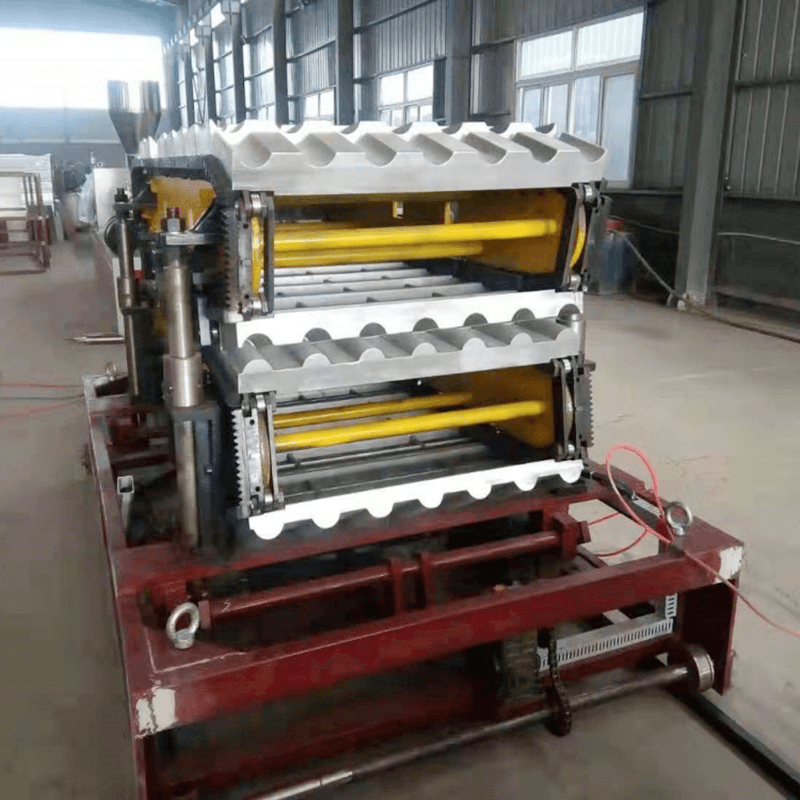
In the modern era of industrial advancements, composite pipeline systems have emerged as a pivotal element in the distribution of natural gas. The integration of composite materials in pipeline construction offers significant advantages over traditional metal pipes, including enhanced corrosion resistance, reduced weight, and improved flexibility. These attributes make composite pipelines an attractive option for gas distribution networks, which demand reliability and efficiency. The role of plastic production in this context cannot be overstated, as it provides the foundational technology for creating these innovative pipeline solutions.
The Evolution of Composite Pipelines
The evolution of composite pipelines is a testament to the ongoing innovation in materials science and engineering. Initially, pipelines were predominantly constructed from metals such as steel and iron, which, while robust, were prone to corrosion and required extensive maintenance. The advent of composite materials, which combine the properties of different substances to achieve superior performance, marked a significant shift in pipeline technology. These materials, often consisting of a polymer matrix reinforced with fibers such as glass or carbon, offer a unique combination of strength and flexibility.
Composite pipelines are particularly advantageous in environments where corrosion is a significant concern. For instance, in coastal areas or regions with high humidity, traditional metal pipes are susceptible to rust and degradation. In contrast, composite materials are inherently resistant to such environmental factors, ensuring a longer lifespan and reduced maintenance costs. This resistance to corrosion is a critical factor driving the adoption of composite pipelines in gas distribution networks.
Advancements in Material Technology
The development of advanced composite materials has been instrumental in the widespread adoption of composite pipelines. Innovations in polymer chemistry and fiber technology have led to the creation of materials that are not only stronger but also more adaptable to various environmental conditions. For example, the use of thermoplastic polymers in composite pipelines allows for greater flexibility and ease of installation, particularly in challenging terrains.
Moreover, the incorporation of advanced fibers such as carbon and aramid has enhanced the mechanical properties of composite pipelines, enabling them to withstand higher pressures and temperatures. These advancements have expanded the applicability of composite pipelines beyond traditional gas distribution to include high-pressure applications such as offshore oil and gas extraction.
Benefits of Composite Pipelines in Gas Distribution
The benefits of composite pipelines in gas distribution are manifold, contributing to their growing popularity in the industry. One of the most significant advantages is their lightweight nature, which simplifies transportation and installation. Unlike metal pipes, which require heavy machinery for installation, composite pipelines can be easily maneuvered and installed with minimal equipment, reducing both time and labor costs.
Additionally, composite pipelines offer superior flexibility, allowing them to accommodate ground movements and thermal expansion without compromising structural integrity. This flexibility is particularly beneficial in seismic zones or areas with unstable soil conditions, where traditional rigid pipes may be prone to damage.
Environmental and Economic Considerations
From an environmental perspective, composite pipelines present a more sustainable option compared to their metal counterparts. The production of composite materials typically results in lower carbon emissions, and their longer lifespan reduces the need for frequent replacements, thereby minimizing waste. Furthermore, the reduced maintenance requirements of composite pipelines translate to fewer disruptions and lower operational costs over time.
Economically, the initial investment in composite pipelines may be higher than that of traditional metal pipes. However, the long-term savings in maintenance and operational costs, coupled with the extended service life of composite materials, often result in a more favorable cost-benefit ratio. This economic advantage is a compelling factor for utilities and companies considering the transition to composite pipeline systems.
Challenges and Solutions in Composite Pipeline Implementation
Despite the numerous advantages of composite pipelines, their implementation is not without challenges. One of the primary concerns is the initial cost of materials and installation, which can be a barrier for some organizations. However, advancements in manufacturing processes and economies of scale are gradually reducing these costs, making composite pipelines more accessible.
Another challenge is the need for specialized skills and knowledge in the installation and maintenance of composite pipelines. Unlike traditional metal pipes, which have been used for decades, composite pipelines require a different set of expertise. To address this, many companies are investing in training programs and partnerships with educational institutions to develop a skilled workforce capable of supporting the growing composite pipeline industry.
Regulatory and Standardization Efforts
Regulatory and standardization efforts are also crucial in facilitating the adoption of composite pipelines. As the technology is relatively new, there is a need for comprehensive standards and guidelines to ensure the safety and reliability of composite pipeline systems. Organizations such as the American Society for Testing and Materials (ASTM) and the International Organization for Standardization (ISO) are actively working to develop standards that address the unique characteristics of composite materials.
These standards cover various aspects of composite pipeline systems, including material specifications, testing methods, and installation procedures. By establishing a clear regulatory framework, these efforts aim to build confidence in the technology and encourage its widespread adoption in the gas distribution industry.
Case Studies and Real-World Applications
The successful implementation of composite pipelines in various real-world applications serves as a testament to their effectiveness and reliability. One notable example is the use of composite pipelines in the North Sea oil and gas fields, where harsh environmental conditions and high-pressure requirements necessitate robust and durable pipeline solutions. In these applications, composite pipelines have demonstrated superior performance, withstanding the demanding conditions and providing reliable service.
Another case study involves the use of composite pipelines in urban gas distribution networks. In densely populated areas, the flexibility and ease of installation of composite pipelines are particularly advantageous, allowing for rapid deployment with minimal disruption to the surrounding infrastructure. These examples highlight the versatility of composite pipelines and their potential to transform the gas distribution industry.
Future Prospects and Innovations
Looking ahead, the future prospects for composite pipelines are promising, with ongoing research and development efforts focused on further enhancing their performance and expanding their applications. Innovations in material science, such as the development of new polymer blends and advanced fiber technologies, are expected to yield even more robust and efficient composite pipeline solutions.
Additionally, the integration of smart technologies, such as sensors and monitoring systems, into composite pipelines is an area of active exploration. These technologies have the potential to provide real-time data on pipeline conditions, enabling proactive maintenance and enhancing the overall safety and reliability of gas distribution networks.
Conclusion
In conclusion, composite pipelines represent a significant advancement in the field of gas distribution, offering numerous benefits over traditional metal pipes. Their superior corrosion resistance, flexibility, and ease of installation make them an ideal choice for modern pipeline systems. While challenges remain, ongoing efforts in research, standardization, and workforce development are paving the way for the widespread adoption of composite pipelines. As the industry continues to evolve, the role of plastic production will remain central to the development and implementation of these innovative pipeline solutions, ensuring a reliable and efficient gas distribution network for the future.


 +86-18561886575 (Mr.Wu)
 +8618561886575
 238 Yangzhou West Road, Jiaozhou City, Qingdao City, Shandong Province