Zhongrui's High-capacity PP Packaging Belt Production Line is engineered for efficiency and high output. This innovative machine produces durable, flexible, and cost-effective PP straps, replacing traditional steel straps across various industries. Ideal for manufacturers seeking quality and sustainability.
According to many years of plastic machinery development and design experience, in the introduction of foreign advanced technology and digestion and absorption, on the basis of self-developed PE pipe production line. Has the unique structure, the design is novel, the equipment entire line layout is reasonable, the control performance is strong and so on.
The PE/PPR Pipe Production Line delivers reliable and efficient manufacturing of various pipes for water supply and drainage in agriculture and construction. Experience advanced technology and precision for high-quality production.
Discover the Highly Cost Effective PVC Pipe Production Line from Zhongrui. Engineered for durability and efficiency, this advanced production line ensures high-quality PVC pipes suitable for a variety of applications. Experience seamless operation, reduced maintenance, and significant cost savings.
The Composite Infiltration Irrigation Pipe Production Line is a high-efficiency system designed to produce drip irrigation tape for agricultural applications. With precision control, energy-saving technology, and advanced automation, it ensures superior performance in greenhouse, field crop, and water conservation irrigation systems.
Discover the PVC Hose Production Line designed for efficient, high-speed manufacturing of PVC hoses. Our advanced system ensures precision, versatility, and durability, making it an ideal choice for various industrial applications.
The PVC Imitation Marble Sheet Slab Extruder Machine Production Line is designed for producing high-quality, durable, and visually appealing marble-like PVC sheets. Offering fire resistance, water resistance, and high-temperature durability, it’s ideal for a variety of interior decoration applications. This advanced extrusion line guarantees high efficiency and stable output, making it a top choice for businesses looking to scale up production.
Zhongrui's PMMA Board Production Line is designed for precision, high-output plastic sheet manufacturing. With advanced technology including a vertical three-roll calender, Siemens motor, and ABB inverter, it ensures high plasticizing ability and energy-efficient performance. Ideal for producing PMMA, PC, and ABS sheets for construction, packaging, and automotive industries.
0
0
Does PVC Machinery Suit Drainage Projects?
Views: 0 Author: Site Editor Publish Time: 2025-08-27 Origin: Site
In the realm of modern infrastructure, the choice of materials and machinery plays a pivotal role in determining the efficiency and sustainability of projects. Among the various options available, Plastic Machinery has emerged as a significant contender, particularly in drainage projects. This article delves into the suitability of PVC machinery for drainage projects, examining its advantages, challenges, and potential impact on project outcomes.
Understanding PVC Machinery
PVC machinery refers to the equipment used in the production and processing of polyvinyl chloride (PVC) materials. These machines are designed to handle various stages of PVC product manufacturing, including extrusion, molding, and finishing. The versatility of PVC machinery allows for the creation of a wide range of products, from pipes and fittings to sheets and profiles. The PVC Pipe Production Line is particularly noteworthy for its role in drainage systems, where durability and cost-effectiveness are paramount.
Components of PVC Machinery
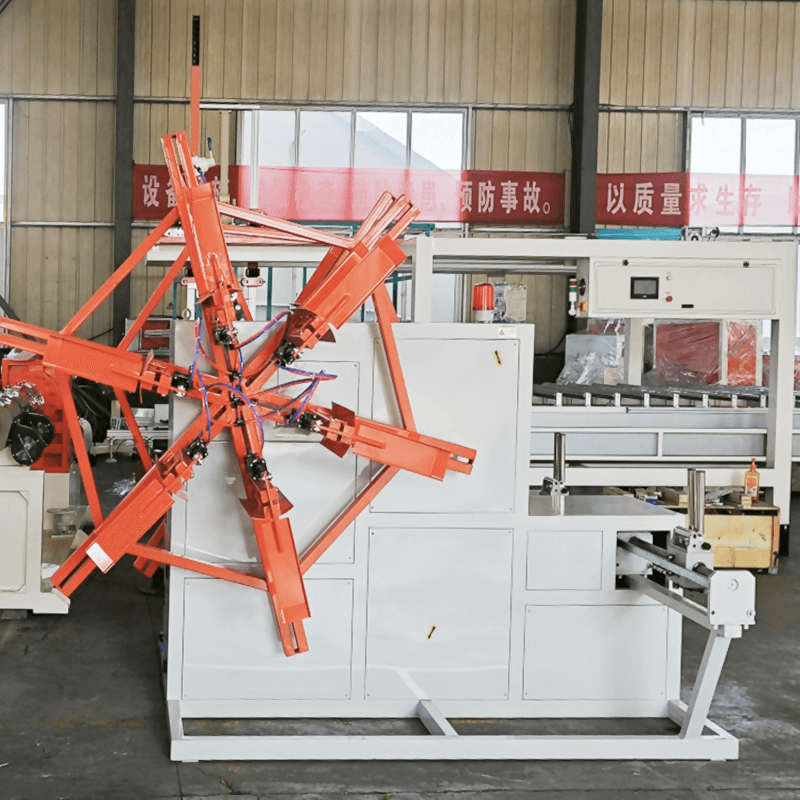
PVC machinery typically consists of several key components, each playing a crucial role in the production process. The extruder is the heart of the system, responsible for melting and shaping the PVC material. Downstream equipment, such as cooling tanks, haul-offs, and cutters, ensure that the extruded product is cooled, sized, and cut to the desired specifications. Additionally, auxiliary equipment like mixers and feeders are essential for preparing the raw materials and maintaining a consistent production flow.
Advantages of PVC Machinery in Drainage Projects
PVC machinery offers several advantages that make it suitable for drainage projects. Firstly, PVC pipes produced using these machines are known for their high strength-to-weight ratio, making them easy to transport and install. Moreover, PVC is resistant to corrosion and chemical degradation, ensuring a long service life even in harsh environmental conditions. The flexibility of PVC machinery also allows for the production of pipes with varying diameters and wall thicknesses, catering to diverse project requirements.
Challenges in Using PVC Machinery for Drainage
Despite its advantages, the use of PVC machinery in drainage projects is not without challenges. One of the primary concerns is the environmental impact of PVC production, as the process involves the release of harmful chemicals. Additionally, the disposal of PVC products at the end of their lifecycle poses environmental challenges due to their non-biodegradable nature. Addressing these issues requires the implementation of sustainable practices and the development of recycling technologies to minimize the ecological footprint of PVC products.
Technical Limitations
From a technical perspective, PVC machinery may face limitations in terms of production speed and efficiency. The extrusion process, while effective, can be time-consuming, particularly for large-scale projects requiring significant volumes of PVC products. Additionally, maintaining consistent product quality can be challenging, as variations in raw material properties and machine settings can lead to defects in the final product. Continuous monitoring and quality control measures are essential to ensure that the products meet the required standards.
Cost Considerations
The cost of PVC machinery and the associated production processes is another factor to consider. While PVC products are generally cost-effective compared to alternatives like metal or concrete, the initial investment in machinery can be substantial. Furthermore, operating costs, including energy consumption and maintenance, can add to the overall expenses. It is crucial for project managers to conduct a thorough cost-benefit analysis to determine the feasibility of using PVC machinery in their specific applications.
Case Studies and Real-World Applications
To better understand the practical implications of using PVC machinery in drainage projects, it is helpful to examine real-world case studies. One notable example is the use of PVC pipes in urban drainage systems, where their lightweight nature and ease of installation have led to significant cost savings and reduced construction times. Additionally, PVC pipes have been successfully used in agricultural drainage systems, where their resistance to chemical fertilizers and pesticides ensures long-term performance.
Urban Drainage Systems
In urban areas, the demand for efficient drainage systems is ever-increasing due to rapid population growth and urbanization. PVC pipes have proven to be an ideal solution for such applications, offering durability and reliability. For instance, in a recent project in a major metropolitan area, the use of PVC pipes reduced the overall project cost by 20% compared to traditional materials. The pipes' ability to withstand high water pressure and resist blockages has also contributed to improved system performance and reduced maintenance requirements.
Agricultural Drainage Systems
In the agricultural sector, effective drainage is crucial for maintaining soil health and optimizing crop yields. PVC pipes are commonly used in subsurface drainage systems, where they help to remove excess water from the soil. Their resistance to chemicals and UV radiation makes them particularly suitable for agricultural environments. A study conducted on a large-scale farm demonstrated that the use of PVC drainage pipes improved soil aeration and increased crop yields by 15% over a three-year period.
Conclusion
In conclusion, PVC machinery offers a viable solution for drainage projects, providing a balance between cost-effectiveness, durability, and versatility. While challenges such as environmental impact and technical limitations exist, advancements in recycling technologies and sustainable practices are paving the way for more eco-friendly solutions. By carefully considering the specific requirements of each project and conducting a comprehensive analysis of the benefits and drawbacks, project managers can make informed decisions about the use of PVC Machinery in their drainage systems.
Qingdao Zhongrui Plastic Machinery Co., Ltd. is located in Jiaozhou City, Qingdao City, Shandong Province. It is 30 kilometers away from Qingdao Port and only 20 kilometers away from the airport.



 +86-18561886575 (Mr.Wu)
 +8618561886575
 238 Yangzhou West Road, Jiaozhou City, Qingdao City, Shandong Province