Integrating modern PVC piping with legacy metal infrastructure like copper or galvanized steel presents a strict engineering challenge. Differing material properties, thermal expansion rates, and thread tolerances demand exact execution on the job site. Improper transitions between plastic and metal lead to catastrophic joint failures, leaks, and compliance violations. For manufacturers and industrial buyers, the inability of a PVC product to reliably interface with existing metal systems severely limits its market viability. Ensuring leak-free, code-compliant connections requires specific transition fittings, strict installation protocols, and high-dimensional accuracy originating directly from the manufacturing stage. This guide evaluates the technical methods for connecting PVC to metal and the operational risks involved. We explore how manufacturing tolerances dictate field success when working with copper or galvanized steel. You will learn the exact protocols to bridge these dissimilar materials safely.
- Never thread male metal into female PVC: The difference in tensile strength and thermal expansion will inevitably cause the female PVC fitting to fracture under pressure.
- Use specialized transition fittings: Brass-to-PVC threaded adapters, dielectric unions, and push-to-connect fittings are the only code-compliant methods for bridging plastic and metal.
- Manufacturing tolerances dictate joint integrity: A high-quality PVC pipe extrusion line is required to maintain the strict dimensional consistency necessary for secure mechanical and threaded transitions.
- Mitigate galvanic and chemical risks: Proper material selection prevents galvanic corrosion in metal pipes, while utilizing compatible thread sealants prevents chemical degradation of the PVC.
- Account for thermal and kinetic stress: Mixed-material joints are highly susceptible to water hammer and thermal degradation; system design must isolate PVC from high-heat copper lines and vibration sources.
The Engineering Challenge: Transitioning from Plastic to Metal
A successful transition joint must maintain system pressure and prevent leaks over decades of thermal cycling. It must comply with commercial plumbing and industrial piping codes. Connecting dissimilar materials introduces complex mechanical stresses. You must account for differing expansion rates and tensile capacities. The physics of mixed-material plumbing leave no room for installation errors. When you join a rigid, unyielding material like steel to a flexible polymer, the transition point absorbs the brunt of all system stresses.
Thermal Expansion and Contraction Rates
PVC expands and contracts at a rate nearly five times that of steel or copper. A 100-foot run of PVC pipe will expand approximately 3.6 inches with a 100°F temperature increase. A comparable steel pipe expands less than an inch under the same conditions. This thermal movement creates severe operational trade-offs. Rigid connections fail rapidly if you do not accommodate this expansion. Temperature fluctuations cause the plastic to push against the unyielding metal. This constant friction stresses the joint interface. System designers must incorporate expansion loops or offset joints to absorb this kinetic energy. Failing to manage thermal dynamics guarantees a ruptured connection, usually shearing the plastic right at the metal thread.
Tensile Strength Discrepancies
A severe structural mismatch exists between rigid metal threads and softer plastic threads. This discrepancy establishes a fundamental plumbing rule: never use female PVC threads with male metal pipes. National Pipe Taper (NPT) threads act as a wedge during installation. As you tighten the joint, the wedge-like action forces the female hub outward. Metal easily withstands this hoop stress. PVC does not. The outward pressure inevitably splits the female PVC fitting. Even if the joint holds initially during the pressure test, the constant outward stress combined with temperature changes causes delayed catastrophic failure weeks or months later.
Temperature Limitations and Heat Transfer
Maximum operating temperatures further complicate mixed-material systems. Standard Schedule 40 and Schedule 80 PVC handles temperatures up to 140°F safely. Copper systems often transport fluids well above this limit, especially in hydronic heating or boiler feed lines. Transitioning near hot water sources or industrial heat exchangers requires strict engineering controls. You must isolate the PVC components from direct heat transfer. Prolonged exposure to high temperatures softens the pipe walls, drastically reducing their pressure rating. This softening compromises the mechanical integrity of the transition joint, allowing the metal fitting to pull loose or deform the plastic socket.
Galvanic Corrosion and Dielectric Requirements
Dissimilar metals degrade when exposed to an electrolyte like water. Galvanic corrosion destroys metal pipes from the inside out, creating pinhole leaks and massive rust buildup. PVC acts as a natural insulator against this process because it does not conduct electricity. However, the transition fittings themselves often contain brass or steel. A brass adapter threaded directly into a galvanized steel pipe creates a highly reactive galvanic cell. These metal components require specific dielectric protection to prevent localized degradation. Understanding the galvanic scale prevents premature failure of the metal infrastructure surrounding your PVC transition.
Managing Water Hammer and Vibration
Kinetic energy from pumps or rapid valve closures disproportionately affects mixed-material joints. Fast-acting solenoid valves create water hammer, sending severe shockwaves through the piping system at the speed of sound. The rigid metal transfers this kinetic energy directly into the softer PVC. This sudden pressure spike shatters rigid transition fittings if they lack flexibility. Specialized isolation techniques and shock arrestors are necessary to protect the transition point. Proper anchoring with rubber-lined clamps mitigates the transfer of destructive vibrations from heavy machinery into the fragile plastic lines.
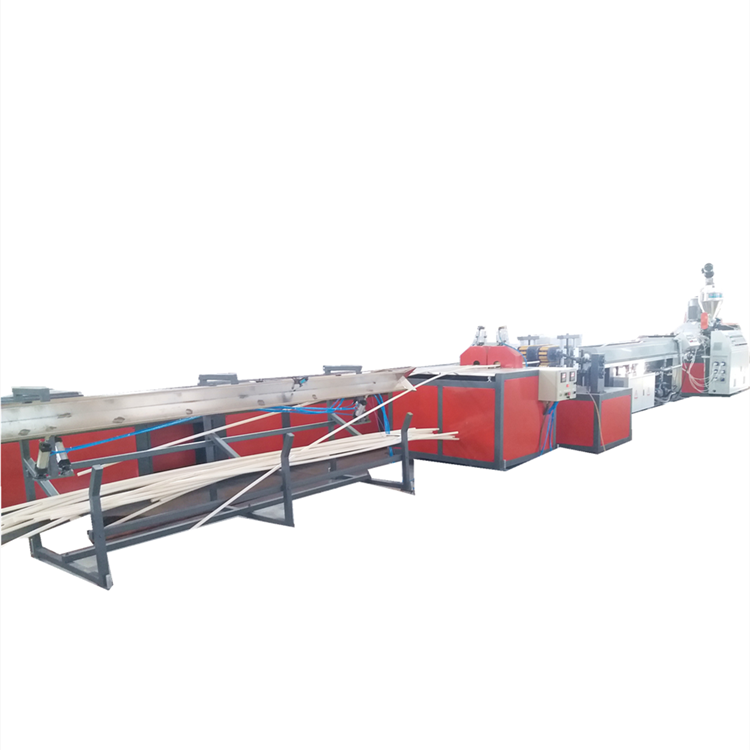
![PVC conduit production line]()
Approved Methods for Connecting PVC to Copper Pipes
Bridging PVC and copper requires fittings designed specifically for material transitions. You cannot rely on standard solvent cement or basic threaded couplings. The transition requires mechanical integration that respects the limitations of both materials.
Threaded Transition Fittings (Brass-to-PVC)
Male PVC adapters threaded into female brass fittings offer a highly reliable connection. The brass reinforces the joint while the PVC male threads compress safely inward. Molded-in-place brass transition fittings serve high-pressure industrial applications perfectly. These specialized fittings feature a machined brass thread permanently molded into a PVC socket during the injection molding process. This design eliminates the weak point of a standard threaded adapter and prevents the brass insert from spinning loose. Installers rely on these molded fittings for critical infrastructure transitions where leaks cause massive property damage.
Push-to-Connect (Push-Fit) Fittings
Push-fit technology provides rapid deployment in commercial repairs. These fittings use a stainless steel grab ring to bite into the pipe and an internal EPDM O-ring to create a watertight seal. They slide directly over the outside diameter of both copper and PVC pipes. Compare the upfront cost of push-fittings against the labor savings. They offer significant advantages for quick repairs in exposed environments where soldering is dangerous or impossible. However, long-term reliability in concealed spaces often favors threaded or flanged connections. Push-fittings require perfectly round pipe ends free of deep scratches to seal correctly.
Flange Connections for High-Volume Systems
Large-diameter industrial fluid transport relies heavily on flange connections. PVC flange adapters bolt directly to copper companion flanges. This method handles high volume and significant pressure safely while allowing for easy disassembly during maintenance. The success of a flanged joint depends entirely on the installation procedure.
- Inspect the PVC flange face for scratches or gouges that could compromise the gasket seal.
- Align the copper companion flange perfectly parallel to the PVC flange to prevent uneven stress on the plastic collar.
- Insert the elastomeric gasket (typically EPDM or Neoprene), ensuring it sits flat without pinching or folding.
- Hand-tighten all bolts in a star pattern to distribute the initial load evenly across the flange face.
- Use a calibrated torque wrench to apply the final specified torque, continuing the star pattern sequence to prevent cracking the PVC.
Approved Methods for Connecting PVC to Galvanized Steel
Galvanized steel introduces unique challenges due to its rough exterior, heavy weight, and susceptibility to rust. Transitioning requires precise mechanical integration and strict adherence to threading standards to prevent leaks and corrosion.
Threaded Connections and NPT Standards
The standard operating procedure involves threading male PVC into female galvanized threads. Both materials must utilize National Pipe Thread (NPT) standards for a proper seal. The tapered design of NPT threads means they seal by interference, requiring a gap-filling sealant. You must use high-density PTFE tape or chemically compatible thread sealants. We explicitly warn against using petroleum-based pipe dopes. Petroleum degrades PVC quickly, leaching out plasticizers and leading to environmental stress cracking. Proper thread engagement requires careful hand-tightening followed by exactly one to one-and-a-half wrench turns. Anything more risks snapping the PVC neck.
Dielectric Unions (When and Why to Use Them)
PVC itself does not cause galvanic corrosion. However, the metal components of a transition fitting connecting to galvanized steel might. A brass adapter threaded into galvanized steel creates a brass-to-steel connection. This specific metal-to-metal contact accelerates rust, quickly clogging the pipe with scale. Building codes frequently require a dielectric union to prevent localized corrosion at the transition point. The union separates the dissimilar metals with a rubber washer and a nylon sleeve. This physical separation breaks the electrical conductivity, stopping the galvanic cell from forming while maintaining a watertight seal.
Grooved Mechanical Couplings
Fire protection and chilled water systems often utilize mechanical couplings. Roll-grooved or cut-grooved systems transition seamlessly between PVC and galvanized steel. The coupling housing encloses a heavy-duty rubber gasket that bridges the two pipe ends. As you tighten the bolts on the housing, it compresses the gasket against the pipe exteriors. This method accommodates slight misalignments, dampens vibration, and handles expansion. It provides a robust, leak-free seal without relying on threads. Grooved couplings expedite installation in large-scale commercial projects and allow for easy system modifications.
| Transition Method | Compatible Metal | Best Application | Primary Risk Factor |
| Threaded Adapter (Male PVC) | Copper, Galvanized | Low to medium pressure fluid transport | Overtightening causing thread damage or snapping |
| Push-to-Connect | Copper | Rapid repairs, exposed plumbing | Pipe ovality or surface scratches preventing O-ring seal |
| Flange Connection | Copper, Galvanized | High-volume industrial systems, pump headers | Uneven torque cracking the PVC collar |
| Grooved Mechanical | Galvanized | Fire protection, chilled water, HVAC | Improper groove depth or gasket pinching |
| Dielectric Union | Galvanized | Domestic water lines, code-mandated transitions | Failure to install the nylon isolation sleeve |
How Manufacturing Quality Impacts Field Connections
Field connections are only as reliable as the pipes themselves. Strict manufacturing tolerances dictate the success of any transition joint. Poorly manufactured pipe guarantees field failures, regardless of the installer's skill level.
Dimensional Accuracy from the Extrusion Line
Wall thickness consistency is critical for secure connections. Precise outside diameters allow push-to-connect and grooved mechanical couplings to seal properly. Even minor deviations prevent the O-ring from making full contact, resulting in a slow drip that ruins drywall or subflooring. Modern extrusion controls prevent ovality during manufacturing. Ovality causes immediate failure in rigid metal transitions because the round metal fitting cannot conform to the out-of-round plastic pipe. A high-quality PVC Pipe Production Line maintains the strict dimensional consistency necessary for these applications. The extrusion die must distribute the polymer melt with absolute uniformity to ensure a perfectly concentric pipe.
Threading and Socket Tolerances
The calibration and cooling stages in the manufacturing process dictate structural integrity. Pipe ends must withstand the mechanical stress of threading or solvent welding. If the cooling process in the water bath is uneven, the pipe develops internal stresses. These stresses release during cutting or threading on the job site, causing the pipe end to warp or flare. Proper vacuum calibration ensures the pipe remains perfectly cylindrical as it cools. Accurate socket tolerances allow transition adapters to seat fully and securely. A reliable PVC pipe extrusion line utilizes multi-stage vacuum sizing tanks to lock in these critical dimensions before the plastic fully hardens.
Material Formulation and Stress Resistance
The resin mix directly impacts the pipe's hoop strength. Hoop strength determines the pipe's ability to handle internal pressure and the external compression applied by mechanical couplings. The extrusion process must melt and homogenize the PVC resin, stabilizers, and impact modifiers perfectly. A flawless material matrix handles the localized stress of a metal transition joint without micro-cracking. Weak spots or unmelted particles in the extrusion will fracture under the weight of an attached copper valve. Superior material formulation ensures long-term mechanical resilience against the constant push and pull of thermal expansion.
Evaluating Equipment for End-Use Compatibility
Producing pipes capable of interfacing with metal systems requires advanced machinery. Manufacturers must evaluate their equipment based on precision, consistency, and testing capabilities to meet the demands of modern plumbing contractors.
Precision Tooling in a Production Line
Advanced die heads distribute the molten plastic evenly, preventing weld lines that weaken the pipe structure. Vacuum calibration tanks freeze the pipe's dimensions instantly upon exiting the die. This precision tooling is vital for producing pipe that meets ASTM and ISO standards. Commercial metal transitions demand exact adherence to these standards. Upgrading to a modern Plastic Pipe Production Line ensures compliance with strict commercial plumbing codes. Precision tooling eliminates the dimensional variations that cause joint leaks, ensuring every stick of pipe performs predictably in the field.
Quality Control and Inline Testing Mechanisms
Manual spot checks using calipers are insufficient for high-stakes industrial piping. You need inline ultrasonic thickness gauges to monitor the pipe continuously as it moves down the haul-off track. Flaw detectors identify microscopic voids or impurities in the pipe wall. These inline testing mechanisms ensure every batch can handle the mechanical stress of metal fittings. Automated rejection systems remove defective pipe sections immediately, preventing them from reaching the customer. Continuous monitoring guarantees the structural integrity required for mixed-material plumbing, protecting the manufacturer's reputation.
Customization for Specialized Applications
Different applications require dedicated calibration and tooling. A specialized PVC conduit production line operates differently than a pressure-pipe line. Conduit must interface perfectly with galvanized steel junction boxes and threaded rigid metal conduit (RMC). The threading tolerances for electrical applications differ from fluid transport, focusing on smooth interiors to prevent wire chafing rather than watertight seals. Equipment must adapt to specific end-use requirements seamlessly. Specialized calibration ensures seamless field integration for electricians and plumbers alike.
Equipment Lifecycle and ROI
Legacy extrusion machinery struggles to maintain zero-defect tolerances due to worn screw flights and outdated temperature controls. Analyzing the equipment lifecycle reveals the hidden costs of scrap, rejected batches, and excessive energy consumption. Upgrading to automated lines guarantees the consistency demanded by industrial plumbing contractors. A highly efficient PVC pipe manufacturing equipment setup provides a rapid return on investment. This return stems from reduced material waste, higher production speeds, and higher product acceptance rates. Modern machinery maximizes operational profitability while delivering a superior product.
Implementation Risks and Mitigation Strategies
Even with perfect pipes and fittings, installation errors compromise the system. Understanding field risks prevents catastrophic failures, flooded buildings, and costly rework.
Overtightening and Female Thread Fractures
Installers often treat PVC threads with the same heavy-handed torque as steel. This overtightening leads to micro-fractures in the plastic hub. The joint may hold initially but will suffer delayed catastrophic failure when the system experiences a pressure surge. Implement strict torque specifications for all transition joints. Mandate the use of strap wrenches over traditional steel pipe wrenches. Strap wrenches distribute the gripping force evenly around the circumference of the fitting, preventing you from crushing or gouging the plastic.
Chemical Incompatibility (Thread Sealants)
Thread sealants must be chemically compatible with PVC. Anaerobic thread sealants, liquid Teflon containing certain solvents, and cutting oils cause environmental stress cracking. The plastic becomes brittle and shatters under normal operating pressure. Standardize the use of approved high-density PTFE tapes. Alternatively, use specific non-hardening, non-toxic plastic pipe sealants explicitly labeled as safe for PVC. Verifying chemical compatibility prevents sudden and disastrous joint ruptures months after the installation is complete.
Soldering Heat Transfer Damage
Soldering a copper fitting too close to a transition joint melts the PVC. The intense heat from the torch travels quickly down the highly conductive copper pipe. Mandate soldering all copper connections and allowing them to cool completely before attaching the plastic components. If in-place soldering is unavoidable due to a tight repair space, utilize commercial heat-sink gels. Wrapping the pipe heavily with soaking wet rags also dissipates the heat effectively. Proper thermal management protects the transition interface from permanent deformation.
Structural Support at Transition Points
Metal pipe is significantly heavier than PVC, especially when filled with water. This weight transfers sheer stress onto the lighter pipe, causing the joint to snap at the threads. Require independent, rigid hanger supports on both the metal and plastic sides. Place these supports immediately adjacent to the transition joint, typically within six inches. This isolation prevents the heavy metal from leveraging against the plastic connection. Proper anchoring ensures the joint only handles internal fluid pressure, not the external dead weight of the piping system.
Conclusion
Connecting PVC to copper or galvanized pipe demands precision, the right transition fittings, and a deep understanding of material behaviors. You must manage thermal expansion, avoid chemical degradation from improper sealants, and support the joints correctly to prevent sheer stress. Success in the field starts with high-quality manufacturing and ends with disciplined installation practices.
Next Steps:
- Audit current installation protocols for mixed-material joints to enforce the use of strap wrenches and strict torque limits.
- Verify the chemical compatibility of all thread sealants, pipe dopes, and firestop caulks used by your field technicians against PVC manufacturer guidelines.
- Evaluate current extrusion equipment capabilities to ensure your output meets strict ASTM and ISO dimensional standards for outside diameter and wall thickness.
- Install independent clevis hangers or strut clamps adjacent to all metal-to-plastic transition points to eliminate sheer stress and vibration transfer.
FAQ
Q: Can you glue PVC pipe directly to copper or galvanized pipe?
A: No, you cannot glue PVC directly to metal. Solvent cement works by chemically melting and fusing plastic surfaces together. It has absolutely no chemical effect on metal. Attempting to glue these materials will result in an immediate leak and complete joint failure the moment the system is pressurized.
Q: Why can't I thread a male metal pipe into a female PVC fitting?
A: Tapered NPT metal threads act like a wedge when tightened. Metal possesses a much higher tensile strength than PVC. As you thread the male metal pipe into the female plastic fitting, the outward hoop stress will inevitably crack and fracture the softer plastic hub.
Q: Do I need a dielectric union when connecting PVC to galvanized steel?
A: The PVC itself does not require a dielectric union because it is an electrical insulator. However, if you use a brass transition fitting, the brass threading into the galvanized steel creates a dissimilar metal connection. In this case, a dielectric union is required to prevent galvanic corrosion.
Q: What is the best thread sealant for PVC to metal connections?
A: High-density PTFE (Teflon) tape is the most reliable and safe option. If using a liquid or paste sealant, verify it is specifically formulated for plastic pipes. Never use petroleum-based pipe dopes or anaerobic sealants, as they chemically degrade the PVC and cause severe stress cracking.
Q: How does pipe ovality from the extrusion process affect push-to-connect fittings?
A: Push-to-connect fittings rely on an internal EPDM O-ring sealing perfectly against the pipe's outside diameter. If the pipe suffers from ovality, the O-ring cannot make uniform 360-degree contact. This manufacturing defect leads to immediate leaks when the system is pressurized.
Q: How far away from a PVC connection should I solder copper pipe?
A: You should complete all copper soldering before attaching any PVC components. If you must solder near an existing transition joint, keep the heat source at least 18 inches away. Always wrap the pipe with wet rags or use commercial heat-sink gels to prevent melting the plastic.



 +86-18561886575 (Mr.Wu)

 +8618561886575
 238 Yangzhou West Road, Jiaozhou City, Qingdao City, Shandong Province