Introduction
Have you ever wondered why some wall panels look perfect, while others fail quickly? Many people think installation is simple, yet small mistakes often lead to poor results and extra costs. PVC wall panels are now widely used in homes and commercial spaces. They are lightweight, water-resistant, and easy to maintain. Still, achieving a clean and durable finish depends on correct installation methods and proper preparation.
In this article, we will explore how to install PVC wall panels step by step. You will learn practical techniques, material selection tips, and how panel quality from a PVC Wall Panel Production Line improves installation accuracy and efficiency.
Essential Tools, Materials, and Surface Preparation
Must-Have Tools for Accurate Installation
Before starting, we need to prepare the right tools to ensure accuracy and efficiency. Using proper tools helps avoid mistakes and improves installation speed, especially in larger projects.
Here are the essential tools and their roles:
Tool | Purpose | Why It Matters |
Measuring tape | Measure wall and panels | Prevents cutting errors and waste |
Spirit level | Check alignment | Ensures straight installation |
Utility knife / saw | Cut panels | Creates clean edges for tight fit |
Caulking gun | Apply adhesive | Distributes adhesive evenly |
Drill (optional) | Add screws if needed | Provides extra support |
Each tool contributes to precision. For example, when we use a level consistently, panels stay aligned across the entire wall. Clean cuts also help panels connect properly, reducing visible gaps.
Choosing the Right Materials for Better Results
The quality of materials affects both installation and durability. Always choose:
● High-quality PVC wall panels
● Adhesive designed specifically for PVC
● Matching trims and corner profiles
● Waterproof silicone sealant
Panels produced from a reliable PVC Wall Panel Production Line usually have uniform edges and consistent locking systems. This makes installation smoother because panels align easily without forcing adjustments.
Manufacturers such as Zhongrui focus on precision extrusion and quality control. As a result, installers spend less time correcting panel mismatches and more time completing projects efficiently.
Preparing the Wall Surface Properly
Surface preparation is the foundation of a successful installation. Even the best panels will fail if the wall is not ready.
Start by:
● Removing dust, grease, or loose paint
● Ensuring the wall is completely dry
● Repairing cracks or uneven areas
A clean and stable surface allows adhesive to bond properly. If moisture is present, it may weaken adhesion over time and lead to detachment.
Note: A well-prepared surface can extend the lifespan of PVC panels by years and reduce maintenance issues.

Step-by-Step Guide: How to Install
Measuring, Planning, and Layout Design
Begin by measuring the wall carefully. Record height and width, then calculate how many panels you need.
Next, plan your layout:
● Decide where to start (usually a corner or visible area)
● Dry-fit panels to check alignment
● Mark cutting points clearly
Planning reduces material waste and avoids awkward panel cuts near edges. It also ensures a symmetrical and professional finish.
Applying Adhesive and Positioning Panels
Apply adhesive in vertical or zigzag lines on the back of the panel. Keep spacing consistent to ensure even bonding.
Then:
● Place the panel against the wall
● Press firmly from one side to the other
● Remove any trapped air
Avoid applying too little adhesive, as it may cause hollow spots. Too much adhesive can create uneven surfaces.
Aligning Panels for a Professional Finish
Alignment determines how the final wall looks. Use a spirit level for every panel, especially the first one.
Start from:
● A corner
● Or the most visible wall section
Once the first panel is perfectly aligned, the rest will follow easily. Small errors in the beginning can multiply across the wall.
Joining Panels and Installing Trims
Most PVC panels use a tongue-and-groove system. Slide each new panel into the previous one until it fits snugly.
At edges and corners:
● Install trims for a clean finish
● Use corner profiles to hide gaps
Trims not only improve appearance but also protect edges from damage.
Final Sealing and Finishing Touches
After all panels are installed:
● Apply silicone sealant along edges and joints
● Focus on areas exposed to moisture
● Clean panel surfaces with a soft cloth
This step ensures waterproofing and gives the installation a polished look.
Installation Methods for Different Wall Types
Installing PVC Panels on Concrete Walls
Concrete surfaces require extra preparation. Clean thoroughly and repair cracks before installation.
Use strong construction adhesive suitable for masonry. Press panels firmly and allow enough curing time. Uneven concrete should be leveled first to avoid gaps.
Installing on Drywall Surfaces
Drywall is one of the easiest surfaces for PVC panel installation, but it still requires proper inspection before starting. We need to ensure the wall is stable, dry, and suitable for adhesive bonding. Careful checking helps avoid future issues and improves installation quality.
Inspection Item | What to Check | Why It Matters |
Moisture condition | Look for damp spots or stains | Moisture weakens adhesive strength |
Wall stability | Check for loose or soft sections | Unstable drywall affects panel fixing |
Once the wall is ready, adhesive usually works well for installation. It provides a clean and efficient fixing method for most PVC panels. Screws can also be used when extra support is needed, especially for larger panels or high-traffic areas.
Installing on Plywood or Wood-Based Walls
For wood-based surfaces, preparation and material compatibility are very important. We should first ensure the plywood is flat, dry, and structurally stable before starting installation. Any warping or uneven areas can affect panel alignment and final appearance.
For wood surfaces:
● Ensure the plywood is not warped or damaged
● Use adhesive compatible with both PVC and wood
In high-traffic areas, combining screws and adhesive provides extra strength and stability. This method helps prevent panel movement over time while keeping the surface clean and visually appealing. It also improves long-term durability without affecting the overall finish.
Installing PVC Wall Panels in Special Areas
Bathroom and Wet Area Installation Tips
Bathrooms require special attention due to humidity.
Choose:
● Moisture-resistant PVC panels
● Waterproof adhesive
● Mold-resistant sealant
Ensure the wall is completely dry before installation. Apply sealant along all joints to prevent water from entering behind panels.
Ceiling Installation Considerations
Ceiling installation differs from walls because of gravity and load.
Key points:
● Use lightweight panels
● Combine adhesive and screws for support
● Install panels perpendicular to support structures
Proper fastening prevents panels from sagging over time. Planning panel direction also improves visual consistency.
Installing PVC Wall Panels Over Existing Surfaces
Can You Install PVC Panels Over Tiles?
Yes, you can install panels directly over tiles, and this approach is widely used in renovation projects. It saves time, reduces labor costs, and avoids messy demolition work. However, proper surface condition is still essential for a successful result.
The tile surface must be:
● Clean
● Stable
● Free of loose pieces
If tiles are damaged or uneven, they should be repaired first to ensure a solid base for installation.
Step-by-Step Installation Over Tiles
Installing over tiles follows a simple but precise process. Each step ensures strong bonding and a smooth finish.
Step | Action | Key Detail |
Inspect tiles | Check stability | Replace loose tiles |
Clean surface | Remove grease | Use proper cleaner |
Plan layout | Dry-fit panels | Avoid alignment issues |
Apply adhesive | Even distribution | Prevent hollow spots |
Install panels | Press firmly | Use level for alignment |
This method provides a fast upgrade solution without removing existing tiles.
Achieving a Seamless Finish Without Removal
To achieve a clean and seamless look, finishing details are very important. Trims and sealants help create smooth transitions and improve the overall appearance of the wall.
Focus on:
● Edges
● Corners
● Joints
A well-finished surface looks modern and professional, even when installed over old tiles. Proper sealing also helps protect the wall from moisture and extends the lifespan of the installation.
Fastening Techniques and Installation Efficiency
Adhesive vs Screws: When to Use Each
Choosing the right fixing method is an important part of PVC wall panel installation. Different wall conditions and panel types require different approaches. Understanding when to use adhesive or screws helps improve both efficiency and long-term stability.
Fixing Method | Suitable Conditions | Typical Use Case | Key Advantage |
Adhesive | Smooth surfaces | Lightweight panels | Provides clean and even bonding |
Screws | Uneven surfaces | Heavy panels | Adds strong mechanical support |
Choosing the correct method depends on wall type and panel size. In many cases, combining both methods can offer better performance without affecting appearance.
Combining Fixing Methods for Durability
In demanding environments, combining adhesive and screws provides better stability and long-term performance. This approach is especially useful when walls face frequent use or heavier loads. It creates a stronger bond and reduces the risk of future issues.
This method:
● Increases load capacity
● Prevents panel movement
● Extends lifespan
It is especially useful in commercial spaces or high-traffic areas. By using both fixing methods together, we can achieve a more secure installation while maintaining a clean and professional appearance.
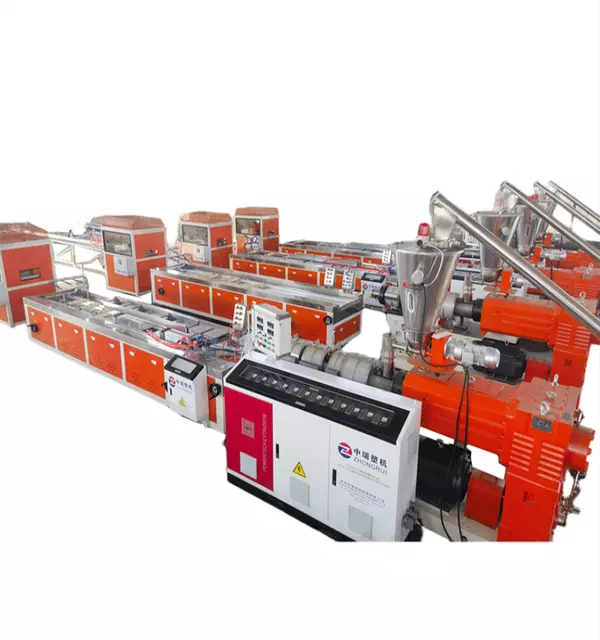
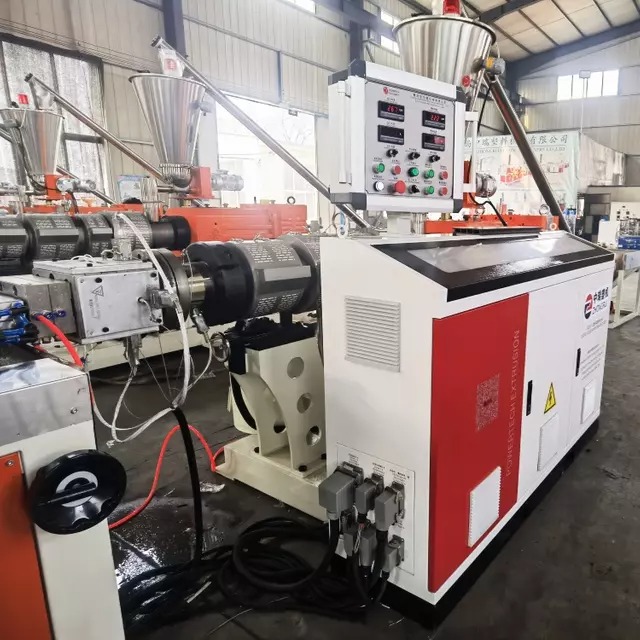
How PVC Wall Panel Production Line Technology Improves Installation
Modern PVC Wall Panel Production Line systems produce panels with:
● Precise dimensions
● Smooth surfaces
● Strong locking structures
These features reduce installation time and improve accuracy. Installers can align panels quickly without excessive adjustments.
Manufacturers like Zhongrui use advanced extrusion technology and strict quality control. This results in consistent panels that simplify installation and deliver reliable long-term performance.
Tip: Choosing panels from a stable production source can reduce installation time by up to 20% in large projects.

Conclusion
Installing PVC wall panels becomes simple when we follow clear steps and use proper materials. The process begins with surface preparation, where we clean, dry, and level the wall. It then moves to accurate measurement and careful panel alignment, ensuring each piece fits well. Finally, sealing and trimming complete the work, improving durability and appearance.
High-quality panels make a big difference during installation. Products made through advanced PVC Wall Panel Production Line technology offer consistent size and smooth edges, which help reduce errors and save time. Qingdao Zhongrui Plastic Machinery Co., Ltd. provides reliable production solutions that support stable panel quality and efficient installation. By combining good techniques and trusted products, we can achieve a clean, strong, and long-lasting wall finish.
FAQ
Q: What tools do I need to install PVC wall panels?
A: You need basic tools like a measuring tape, level, cutting tool, and adhesive gun. These tools help ensure accurate installation. Panels made from a reliable PVC Wall Panel Production Line are easier to cut and align.
Q: How do I prepare the wall before installing PVC panels?
A: The wall should be clean, dry, and smooth before installation. Remove dust, grease, and loose paint. Proper preparation helps adhesive bond better and improves durability.
Q: Why does panel quality matter during installation?
A: High-quality panels fit better and reduce installation errors. Panels produced by an advanced PVC Wall Panel Production Line offer consistent size and structure, making the process faster and more precise.
Q: Can PVC wall panels be installed over tiles?
A: Yes, you can install them over tiles if the surface is stable and clean. Use strong adhesive and ensure proper alignment for a smooth finish.
Q: How much does it cost to install PVC wall panels?
A: Costs depend on panel quality, wall condition, and labor. Using panels from a stable PVC Wall Panel Production Line can reduce installation time, which may lower overall costs.
Q: Should I use adhesive or screws for installation?
A: Adhesive works well for smooth surfaces and lightweight panels. Screws add extra support for heavy panels or uneven walls. Combining both methods improves durability.



 +86-18561886575 (Mr.Wu)
 +8618561886575
 238 Yangzhou West Road, Jiaozhou City, Qingdao City, Shandong Province