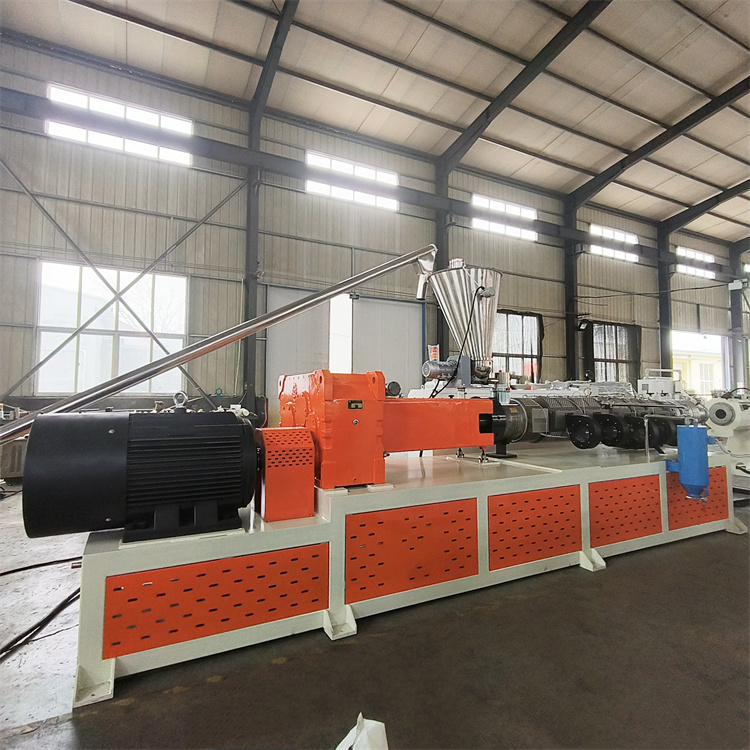
The operation of PE pipe machines for plumbing is a critical aspect of modern infrastructure development. These machines are integral to the production of high-quality polyethylene pipes, which are widely used in various plumbing applications due to their durability, flexibility, and resistance to corrosion. Understanding the operation of these machines not only enhances efficiency but also ensures the production of reliable piping systems. This article delves into the intricacies of operating PE pipe machines, offering insights into their components, operational procedures, and maintenance practices. For those interested in the broader scope of Plastic Machinery, this guide provides a comprehensive overview.
Components of PE Pipe Machines
PE pipe machines consist of several key components that work in unison to produce pipes of varying diameters and thicknesses. The main components include the extruder, die head, cooling system, haul-off unit, and cutter. Each component plays a crucial role in the pipe production process. The extruder is responsible for melting the polyethylene granules, while the die head shapes the molten material into a pipe. The cooling system solidifies the pipe, and the haul-off unit pulls the pipe through the system at a consistent speed. Finally, the cutter slices the pipe into desired lengths. Understanding these components is essential for efficient machine operation and maintenance.
Extruder
The extruder is the heart of the PE pipe machine. It consists of a barrel and a screw that rotates to melt and homogenize the polyethylene granules. The temperature and speed of the screw are critical parameters that must be carefully controlled to ensure the quality of the extruded pipe. Advanced extruders are equipped with automatic temperature control systems and variable speed drives to optimize the extrusion process. Regular maintenance of the extruder, including cleaning and inspection of the screw and barrel, is vital to prevent defects in the final product.
Die Head
The die head is responsible for shaping the molten polyethylene into a pipe. It is a precision-engineered component that determines the diameter and wall thickness of the pipe. The design of the die head can vary depending on the specific requirements of the pipe being produced. Proper alignment and calibration of the die head are crucial to ensure uniform pipe dimensions. Regular inspection and cleaning of the die head are necessary to prevent blockages and ensure smooth operation.
Cooling System
Once the pipe exits the die head, it enters the cooling system, which typically consists of a series of water baths or air cooling units. The cooling system solidifies the pipe and sets its final dimensions. The cooling rate must be carefully controlled to prevent warping or deformation of the pipe. Advanced cooling systems are equipped with sensors and control systems to maintain optimal cooling conditions. Regular maintenance of the cooling system, including cleaning and inspection of the water baths or air units, is essential to ensure efficient operation.
Haul-off Unit
The haul-off unit pulls the pipe through the machine at a consistent speed, ensuring uniform wall thickness and diameter. It consists of a series of rollers or belts that grip the pipe and move it through the production line. The speed of the haul-off unit must be synchronized with the extrusion speed to prevent stretching or compression of the pipe. Regular inspection and maintenance of the haul-off unit, including checking the condition of the rollers or belts, are necessary to ensure smooth operation.
Cutter
The final component of the PE pipe machine is the cutter, which slices the pipe into desired lengths. The cutter can be a saw or a blade, depending on the specific requirements of the pipe being produced. The cutting process must be precise to ensure clean, straight edges on the finished pipe. Regular maintenance of the cutter, including sharpening or replacing blades, is essential to ensure accurate cutting and prevent damage to the pipe.
Operational Procedures
Operating a PE pipe machine requires a thorough understanding of the production process and the ability to monitor and adjust various parameters to ensure optimal performance. The following steps outline the general operational procedures for PE pipe machines:
Preparation
Before starting the machine, it is essential to prepare the necessary materials and equipment. This includes checking the availability of polyethylene granules, ensuring the machine components are clean and in good condition, and verifying that all control systems are functioning correctly. Proper preparation helps prevent production delays and ensures a smooth start-up process.
Start-up
The start-up process involves heating the extruder to the desired temperature and feeding the polyethylene granules into the hopper. The screw is then activated to begin the extrusion process. It is crucial to monitor the temperature and pressure within the extruder to ensure the polyethylene is melting and flowing correctly. Any deviations from the set parameters should be addressed immediately to prevent defects in the final product.
Production
During production, the operator must continuously monitor the machine's performance and make necessary adjustments to maintain optimal conditions. This includes checking the temperature and pressure within the extruder, adjusting the speed of the haul-off unit, and ensuring the cooling system is functioning correctly. Regular inspections of the pipe as it exits the die head are essential to detect any defects or deviations from the desired specifications.
Shutdown
At the end of the production run, the machine must be shut down properly to prevent damage and ensure a smooth restart for the next production cycle. This involves gradually reducing the speed of the screw and haul-off unit, allowing the remaining polyethylene to exit the extruder, and cooling down the machine components. Proper shutdown procedures help extend the lifespan of the machine and reduce maintenance requirements.
Maintenance Practices
Regular maintenance is crucial to ensure the efficient operation of PE pipe machines and prevent unexpected breakdowns. Maintenance practices include routine inspections, cleaning, lubrication, and replacement of worn or damaged components. Implementing a comprehensive maintenance schedule can help identify potential issues before they become major problems, reducing downtime and improving overall productivity.
Routine Inspections
Routine inspections involve checking the condition of all machine components, including the extruder, die head, cooling system, haul-off unit, and cutter. Inspectors should look for signs of wear, damage, or misalignment and address any issues immediately. Regular inspections help prevent minor problems from escalating into major breakdowns.
Cleaning
Cleaning is an essential part of machine maintenance, as it helps prevent the buildup of material residues that can affect machine performance. The extruder, die head, and cooling system should be cleaned regularly to remove any accumulated polyethylene or other debris. Proper cleaning procedures help maintain the efficiency and reliability of the machine.
Lubrication
Lubrication is necessary to reduce friction and wear on moving parts, such as the screw and haul-off unit. Regular lubrication helps extend the lifespan of these components and ensures smooth operation. It is important to use the appropriate type and amount of lubricant to avoid contamination or damage to the machine.
Component Replacement
Over time, certain components of the PE pipe machine may become worn or damaged and require replacement. This includes parts such as the screw, die head, rollers, and blades. Regular monitoring of these components and timely replacement can prevent unexpected breakdowns and ensure consistent production quality.
Conclusion
Operating PE pipe machines for plumbing requires a comprehensive understanding of the machine components, operational procedures, and maintenance practices. By following the guidelines outlined in this article, operators can ensure the efficient production of high-quality polyethylene pipes. Regular maintenance and monitoring of the machine's performance are essential to prevent breakdowns and extend the lifespan of the equipment. For more detailed information on Plastic Machinery, industry professionals can explore various resources and expert insights available online.


 +86-18561886575 (Mr.Wu)
 +8618561886575
 238 Yangzhou West Road, Jiaozhou City, Qingdao City, Shandong Province