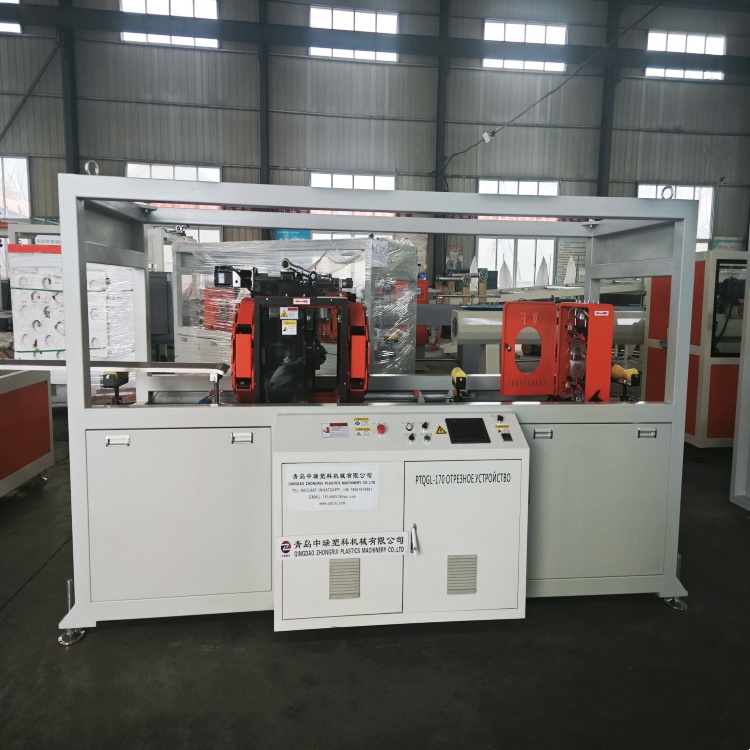
The use of plastic sheets in interior applications has gained significant traction in recent years. This trend is largely driven by the versatility, durability, and aesthetic appeal of plastic materials. As a result, the plastic production industry has evolved to meet the growing demand for high-quality plastic sheets suitable for various interior design purposes. This article explores the suitability of sheet production for interior use, examining the benefits, challenges, and future prospects of this burgeoning sector.
The Benefits of Plastic Sheets in Interior Design
Plastic sheets offer numerous advantages when used in interior design. One of the most significant benefits is their versatility. Plastic sheets can be molded into a variety of shapes and sizes, allowing designers to create unique and customized interior elements. Additionally, plastic sheets are available in a wide range of colors and finishes, making them ideal for achieving specific aesthetic goals.
Durability is another key advantage of plastic sheets. Unlike traditional materials such as wood or metal, plastic is resistant to moisture, corrosion, and pests. This makes plastic sheets particularly well-suited for use in areas prone to humidity or exposure to water, such as bathrooms and kitchens. Furthermore, plastic sheets are lightweight yet strong, providing a practical solution for both structural and decorative applications.
The cost-effectiveness of plastic sheets is also noteworthy. Compared to other materials, plastic is relatively inexpensive to produce and install. This affordability makes it an attractive option for budget-conscious projects without compromising on quality or design. Moreover, the ease of maintenance associated with plastic sheets further enhances their appeal, as they require minimal upkeep and can be easily cleaned with standard household products.
Challenges in Plastic Sheet Production for Interior Use
Despite the numerous benefits, there are challenges associated with using plastic sheets in interior applications. One of the primary concerns is environmental impact. The production of plastic sheets involves the use of non-renewable resources and can contribute to pollution if not managed responsibly. As such, the industry is under increasing pressure to adopt sustainable practices and develop eco-friendly alternatives.
Another challenge is the perception of plastic as a lower-quality material compared to traditional options. This stigma can deter some consumers and designers from considering plastic sheets for high-end projects. To overcome this, manufacturers must focus on improving the quality and appearance of plastic sheets, ensuring they meet the expectations of discerning clients.
Technical challenges also exist in the production process. Achieving consistent quality and performance in plastic sheets requires precise control over manufacturing conditions. Variations in temperature, pressure, and material composition can lead to defects such as warping, cracking, or discoloration. Therefore, investment in advanced production technologies and quality control measures is essential to maintain high standards.
Innovations in Plastic Sheet Production
The plastic production industry is continuously evolving, with innovations aimed at addressing the challenges and enhancing the benefits of plastic sheets. One such innovation is the development of biodegradable and recyclable plastics. These materials offer a more sustainable alternative to traditional plastics, reducing environmental impact and appealing to eco-conscious consumers.
Advanced manufacturing techniques, such as 3D printing and digital fabrication, are also transforming the production of plastic sheets. These technologies enable greater precision and customization, allowing for the creation of complex designs and intricate patterns. Additionally, the integration of smart technologies into plastic sheets, such as embedded sensors or lighting, opens up new possibilities for interactive and functional interior elements.
Furthermore, the industry is exploring the use of composite materials, which combine plastic with other substances to enhance performance. For example, incorporating fibers or nanoparticles into plastic sheets can improve strength, thermal resistance, and other properties. These advancements are expanding the potential applications of plastic sheets in interior design, making them a viable option for a wider range of projects.
Case Studies: Successful Applications of Plastic Sheets
Several case studies highlight the successful use of plastic sheets in interior design. For instance, in a modern office renovation, designers utilized translucent plastic panels to create partitions that allow natural light to flow through the space while maintaining privacy. This application not only enhanced the aesthetic appeal of the office but also contributed to energy efficiency by reducing the need for artificial lighting.
In another example, a luxury hotel incorporated custom-designed plastic sheets into its lobby decor. The sheets featured intricate patterns and backlighting, creating a stunning visual effect that captivated guests. This project demonstrated the potential of plastic sheets to elevate the ambiance of high-end environments, challenging the perception of plastic as a low-quality material.
A residential project showcased the use of plastic sheets in a bathroom remodel. The homeowners opted for waterproof plastic panels with a marble-like finish, achieving the look of natural stone without the associated cost and maintenance. This application highlighted the practicality and versatility of plastic sheets in achieving desired design outcomes while adhering to budget constraints.
Future Prospects of Plastic Sheet Production
The future of plastic sheet production for interior use appears promising, with ongoing advancements in materials, technologies, and sustainability practices. As the industry continues to innovate, plastic sheets are likely to become an increasingly popular choice for interior designers and architects seeking versatile, durable, and cost-effective solutions.
One area of potential growth is the integration of smart technologies into plastic sheets. As the demand for smart homes and buildings rises, plastic sheets with embedded sensors or interactive features could play a crucial role in creating intelligent environments. Additionally, the development of new composite materials and manufacturing techniques will further enhance the performance and aesthetic possibilities of plastic sheets.
Sustainability will remain a key focus for the industry, with efforts to reduce the environmental impact of plastic production and promote recycling and reuse. As consumers become more environmentally conscious, the demand for eco-friendly plastic sheets is expected to grow, driving further innovation in this area.
Conclusion
In conclusion, sheet production is well-suited for interior use, offering a range of benefits that make it an attractive option for various applications. While challenges exist, the industry is actively addressing these through innovations in materials, technologies, and sustainability practices. As a result, the future of plastic production for interior design looks bright, with plastic sheets poised to play a significant role in shaping the spaces of tomorrow.


 +86-18561886575 (Mr.Wu)
 +8618561886575
 238 Yangzhou West Road, Jiaozhou City, Qingdao City, Shandong Province