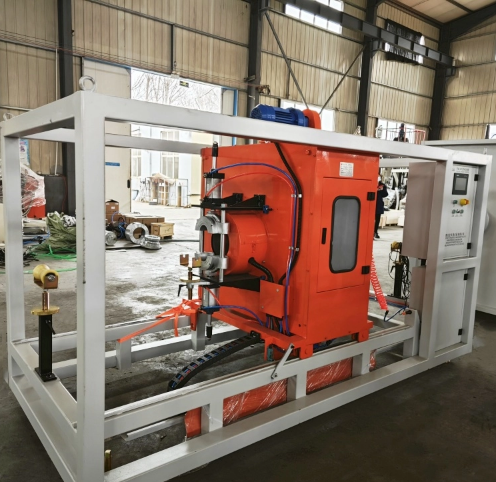
You need extra machines to help your extrusion line work well. These machines help you mix, cool, cut, and pack pipes. A laminating machine sticks layers together. A pipe coiler rolls up pipes for easy moving. Crushers and shredders break old plastic into small pieces. Mixing machines blend colors and materials before you start. Each extra machine helps your line work faster and better.
Control and automation systems help your line run smoothly. Sensors and robots do jobs and watch the process. These systems make sure you always have enough material. They help you check the quality of your pipes. You can change how fast you feed plastic and watch how machines work. Automation saves money and stops mistakes. You get safer and faster work with smart control systems.
System | Benefit |
Automation | Faster, safer, and more consistent work |
Control system | Monitors and adjusts key parameters |
All the parts of the plastic extrusion line work together. The extruder and die shape the pipes. Extra machines help with mixing, cooling, and packing. Control systems keep everything working well. Advanced machines help you make good pipes quickly and with less waste.
Plastic Pipe Extrusion Process Steps
You need to understand each step in the plastic pipe extrusion process to make high-quality pipes. This process turns raw plastic into finished pipes that you can use in many industries. You will see how each stage affects the final product.
Feeding and Melting
The first step in the pipe extrusion process is preparing and feeding the raw materials. You select plastic pellets and mix them with additives. These additives can change the color, strength, or flexibility of the pipe. You pour the mixture into a hopper. The hopper feeds the material into the extruder.
Inside the extruder, a screw pushes the plastic forward. Heaters melt the plastic as it moves. The feeding stage gives you a consistent blend of materials. This helps your pipes have even strength and quality. The melting stage is important because it mixes everything well and stops the plastic from burning. If you use a twin-screw extruder, you get even better mixing. This step controls the final properties of your pipes, like how strong and smooth they are.
Shaping and Cooling
After melting, the pipe extrusion process moves to shaping. The melted plastic flows through a die. The die shapes the plastic into a pipe. You can change the die to make different pipe sizes and shapes. The design of the die is important for making pipes that look good and work well.
Next, you need to cool the pipe. Cooling the extrudate is a key part of the plastic extrusion process. You can use water cooling for thin pipes. Water cools the pipe quickly and helps it keep its shape. For bigger pipes, you might use air cooling. Sometimes, you use both water and air to get the best results. You also use calibrating sleeves to make sure the pipe stays round and the right size. You can use compressed air inside the pipe to help it keep its shape. Good cooling and calibrating give you pipes with the right size and no bends.
Cutting and Quality Inspection
When the pipe is cool and hard, you need to cut it. The pipe extrusion line uses special machines to cut the pipe to the right length. You can set the machine to cut pipes for different jobs. After cutting, you check the pipes for quality.
Quality control is part of every step in the plastic pipe extrusion process. You check the raw materials before you start. You inspect the extruder and die to make sure everything flows well. During extrusion, you watch the temperature, pressure, and speed. You use vacuum calibration to keep the pipe the right size. At the end, you look at the color, size, and strength of the pipes.
Today, you can use advanced tools for inspection. Machine vision systems, infrared sensors, and laser scanners help you find problems fast. Some lines use artificial intelligence to check pipes for defects. These tools help you make sure every pipe meets your standards.
Tip: Careful monitoring at each stage of the pipe extrusion process helps you avoid waste and keeps your products high quality.
Here is a simple list of the main steps in the plastic pipe extrusion process:
Prepare and mix plastic pellets with additives.
Feed the mixture into the extruder.
Melt the plastic using a screw and heaters.
Shape the melted plastic through a die.
Cool the pipe to set its shape.
Cut the pipe to the right length and inspect for quality.
You can see that each step in the plastic extrusion line is important. When you follow these steps and use good quality control, you get strong, reliable pipes for any job.
Types, Materials, and Applications
Types of Pipe Extrusion Lines
There are different kinds of plastic extrusion lines. You can use them to make pipes and tubing for many jobs. Each kind uses a special way to shape plastic into good pipes or tubing. Here are the main types you might use:
Blown film extrusion makes thin films for bags and packaging. Air pressure helps control how thick the film is.
Sheet and film extrusion makes thicker plastic sheets or tubing. You pull and roll the plastic to make it strong.
Extrusion coating puts a plastic layer on other things. This makes them tougher and last longer.
Profile extrusion shapes plastic into profiles for building and cars.
Pipe extrusion makes strong pipes for plumbing and watering crops.
When you choose a pipe extrusion line, you look at the pipe’s size, wall thickness, and speed. You also think about what kind of plastic you want to use. Polyethylene is a low viscosity material. It flows easily and helps you make tubing faster. High viscosity plastics need more energy and slow down the work.
Common Plastics Used
You pick different plastics for tubing extrusion based on what you need. The most common plastics for pipes and tubing are:
Polyethylene is the main plastic for pipe extrusion lines. You see it in packaging, building, and tubing.
Polypropylene is good for tubing extrusion. It bends easily and does not get hurt by chemicals. You find it in packaging and medical tubing.
Polyvinyl Chloride (PVC) is strong and stiff. You use it for pipes in building, medical tools, and electric tubing.
PVC gives you strong and long-lasting pipes and tubing. PP is easy to recycle and bends well, so you use it for packaging and medical tubing. PE helps you make tubing fast because it flows well.
Applications in Industry
You see pipes and tubing made by plastic extrusion in many industries. Here are some main ways people use them:
Construction uses PVC and PE pipes for plumbing, drains, and water lines. These pipes last a long time and do not rust.
Farms use PE pipes for watering crops. These pipes bend easily and stay strong in the field.
Oil and gas companies use PP and PE pipes to move liquids and gases. These pipes do not get hurt by chemicals or pressure.
Phone and electric companies use HDPE pipes to protect wires underground. These pipes keep wires safe from harm.
Qingdao Zhongrui Plastic Machinery Co., Ltd. has many plastic extrusion solutions. You can get custom pipe extrusion lines for your needs. You can trust their team to help you make good plastic pipes and tubing for any job.
Advantages and Challenges of the Pipe Extrusion Process
Benefits of Plastic Extrusion Lines
Plastic pipe extrusion lines give you many benefits. These machines help you make pipes fast. You waste less material. Every pipe comes out the same size and shape. Automation helps you watch the process and spot problems. You use less energy and make fewer mistakes.
You can change pipes for different jobs. You pick the size, thickness, and material you need.
You use strong materials like PVC, PE, and PP. These make pipes last longer.
You recycle HDPE pipes. This helps the environment and supports green projects.
You work faster. The extrusion process lets you make more pipes quickly.
You save energy and money. Automation keeps everything working well.
Automation makes your work easier. Machines control speed and check material levels. They change settings when needed. You find problems quickly and fix them before wasting material. You do less manual work and get better pipes.
Benefit | How It Helps You |
Consistent pipe quality | Pipes always meet your standards |
Customization | Pipes work for many jobs |
Energy savings | You spend less and waste less |
Automation | You make pipes faster with fewer errors |
Sustainability | You use pipes that can be recycled |
Common Challenges and Solutions
You face some problems when making pipes. You must choose the right plastic for each pipe. You need to keep the process steady. If not, pipes may bend or have uneven walls. You also need to check your machines and fix them when needed.
Setting the die is tricky. You must adjust it so pipes are the right size.
Heating and cooling must work well. If not, pipes may look rough or scratched.
You need to keep machines clean. Clean the hopper and feed zones often. Use special cleaner to remove old resin.
Pick plastics that work well together. This makes pipes strong.
Pipes must be the right size. Use vacuum and suction to keep them round.
Take care of your machines. Set them up before stopping work. Have a team ready to check and reset equipment.
You can reuse heat. This saves money and helps the environment.
Spread water evenly and control temperature. This stops pipes from bending or getting uneven.
Tip: Check every step in the pipe extrusion process. Fix problems quickly to make better pipes and save money.
You fix these problems by cleaning machines and setting them up before stopping. Use smart controls to help you. Reuse heat and control water and temperature. These steps keep your pipe extrusion process working well.
You now know what plastic pipe extrusion lines do. You learned how each step in the process works. Knowing this helps you make better pipes. Picking good equipment gives you strong pipes and saves money. Good machines help you work faster and waste less material. Here are some important things to think about:
Key Factors for Investment | Description |
Infrastructure Investment | Public money makes people want new technology. |
Technical Requirements | Machines should run long and make pipes that stay the same. |
Performance Metrics | Check for steady pressure and saving energy. |
Competitive Advantage | New systems help you do better than others. |
If you want to know more, look at these links:
Plastic Extrusion Technologies
Exploring the Plastic Extrusion Process
Choosing the Right Materials for Plastic Extrusion
You can use what you learned to make better plastic pipes and reach your goals.
FAQ
What is a plastic pipe extrusion line?
A plastic pipe extrusion line uses machines to melt plastic. These machines shape the melted plastic into pipes. You can make pipes for water and gas. You also make pipes for other jobs. The machines help you make pipes fast. The pipes are always the same size and shape.
Which plastics can you use in pipe extrusion lines?
You can use plastics like PVC, PE, PP, and PET. Each plastic has its own strength and flexibility. Some plastics are tougher than others. Pick the plastic that works best for your project.
How do you keep pipe quality high during production?
You watch the temperature, speed, and pressure. Sensors help you check each step. Control systems help you spot problems early. You inspect the pipes often. Automation helps you work faster and keeps pipes the same.
What industries use plastic pipe extrusion lines?
You find these machines in building and farming. They are also used in packaging and telecom. Builders use pipes for plumbing and drains. Farmers use pipes to water crops. Telecom companies use pipes to protect cables.
Can you customize a pipe extrusion line for your needs?
Yes, you can pick the size of the machine. You can choose the pipe diameter and control system. Companies like Qingdao Zhongrui Plastic Machinery Co., Ltd. make custom machines. You get equipment that fits your project and helps you reach your goals.



 +86-18561886575 (Mr.Wu)
 +8618561886575
 238 Yangzhou West Road, Jiaozhou City, Qingdao City, Shandong Province