Introduction
Why are more builders and designers moving away from wood and metal today? The answer often points to one material: PVC foam board. It offers strength, light weight, and long-term value in one solution. PVC foam board is now used in construction, furniture, and signage projects. It helps improve efficiency while reducing maintenance needs. Many professionals choose it because it performs well in different environments. Companies like Zhongrui also support this trend through continuous production innovation.
In this article, we will explore what PVC foam board is and how it works. You will learn about its structure, key properties, and practical uses across industries.

What is PVC Foam Board?
Definition of PVC Foam Board
PVC foam board is a lightweight yet rigid sheet made from polyvinyl chloride (PVC) resin. It features a foamed inner structure, which reduces weight while maintaining strength. Unlike solid plastic sheets, it contains a cellular core that gives it a balance of durability and ease of handling. Its surface is smooth and uniform, making it ideal for printing, painting, and laminating. Because of this, it is widely used in both functional and decorative applications. Whether for signage or interior panels, it delivers consistent results.
How PVC Foam Board is Manufactured
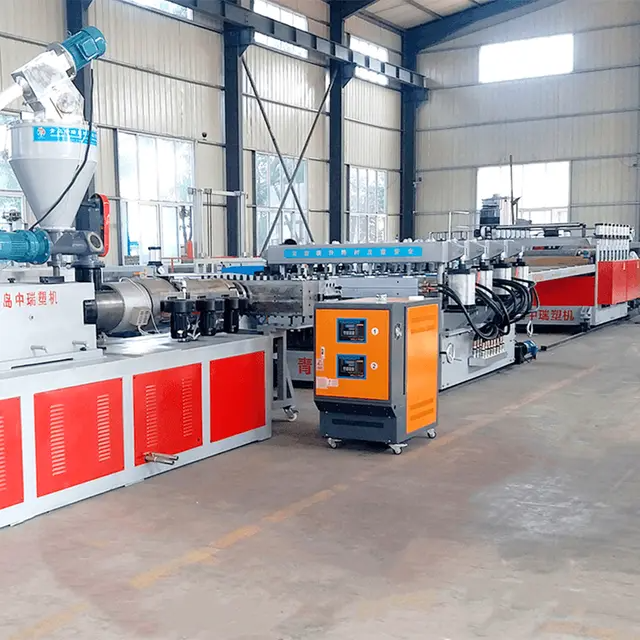
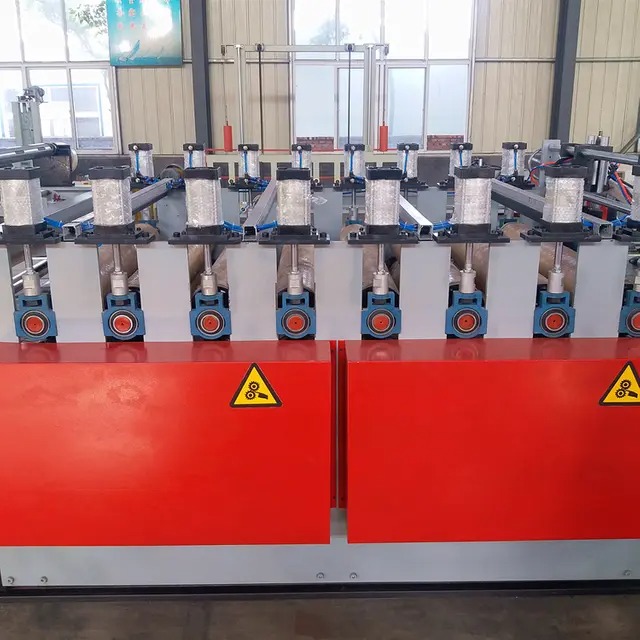
PVC foam board is produced through an extrusion process. In this method, PVC resin is mixed with stabilizers, foaming agents, and additives. The mixture is then heated and pushed through a mold to form flat sheets. The foaming process creates tiny air pockets inside the board. These pockets reduce density while maintaining rigidity. Additives improve fire resistance, UV stability, and durability.
Advanced manufacturers like Zhongrui emphasize precision in extrusion and material formulation. This ensures consistent thickness, smooth surfaces, and reliable performance across batches.
Structure and Key Material Characteristics
The internal structure of PVC foam board is known as a closed-cell foam. This means the air pockets inside are sealed, not connected. As a result, the board does not absorb water easily and remains stable in humid environments.
This structure provides a unique combination of properties:
● Lightweight for easy handling
● Strong enough for structural support
● Resistant to moisture and chemicals
Because of this balance, it performs well in both indoor and semi-outdoor conditions.
Types of PVC Foam Board
PVC foam boards come in several types, depending on density and structure:
● Standard PVC foam board: General-purpose use, lightweight and cost-effective
● High-density PVC foam board: Higher strength, used in furniture and load-bearing applications
● Co-extruded PVC foam board: Features a harder outer layer for improved surface durability
Each type serves a different purpose. Choosing the right one depends on how much strength, finish quality, and durability your project requires.
PVC Foam Board vs Traditional Foam Board
PVC foam board is often compared to traditional foam boards like polystyrene foam. The differences are significant:
Feature | PVC Foam Board | Traditional Foam Board |
Material | PVC | Polystyrene |
Strength | High | Low |
Moisture Resistance | Excellent | Poor |
Durability | Long-term | Short-term |
Applications | Indoor & outdoor | Mostly indoor |
PVC foam board offers better durability and versatility, making it suitable for demanding environments.
Key Properties of PVC Foam Board That Define Its Value
Lightweight Yet Strong Composition
One of the biggest advantages of PVC foam board is its strength-to-weight ratio. It is much lighter than wood or metal, yet it maintains structural integrity.
This makes it easy to transport, cut, and install. For large projects, this can significantly reduce labor costs and time. Despite its light weight, it does not compromise on performance.
Waterproof and Moisture Resistance
PVC foam board does not absorb water due to its closed-cell structure. This makes it ideal for kitchens, bathrooms, and outdoor signage.
Unlike wood, it does not swell, warp, or rot when exposed to moisture. This reliability ensures long-term use without frequent replacements.
Fire Retardant and Safety Features
PVC foam board has self-extinguishing properties. When exposed to fire, it does not easily sustain combustion. Instead, it tends to melt, which slows the spread of flames.
This makes it a safer option for interior applications where fire resistance is important.
Smooth Surface for Finishing and Printing
The surface of PVC foam board is smooth and consistent. This allows for high-quality printing and painting results.
It is widely used in advertising because graphics appear sharp and vibrant. It also supports laminates and coatings without defects.
Ease of Fabrication and Customization
PVC foam board is easy to process. Standard tools can cut, drill, or shape it. This flexibility allows quick customization.
● It adapts to complex designs easily
● It supports fast installation workflows
● It reduces material waste during production
Common Applications of PVC Foam Board Across Industries
Interior Design and Furniture Applications
In interior design, PVC foam board is used for cabinets, shelves, and wall panels. It provides a stable and reliable base for countertops and decorative surfaces. Designers often choose it because it is easy to cut and install, which improves efficiency during projects.
Because it resists moisture and pests, it is a practical choice for kitchens and bathrooms. It also maintains its shape over time, even in humid conditions.
Advertising and Signage Solutions
PVC foam board is widely used in signage. Its smooth surface supports high-resolution printing, making it ideal for branding and display boards. It helps businesses create clean and professional visuals.
It is also lightweight, which simplifies installation for both indoor and outdoor signs. This reduces labor effort and makes handling much easier during setup.
Construction and Building Uses
In construction, it is used for ceilings, partitions, and wall cladding. It offers insulation benefits and helps improve energy efficiency in buildings. It also reduces overall structural weight, which supports easier installation. Builders prefer it for projects where durability and ease of installation are priorities. It performs well in both residential and commercial environments.
Industrial and Specialized Uses
PVC foam board appears in automotive interiors and medical equipment. It resists chemicals and remains easy to clean, which is important in controlled environments. It also provides stable performance in demanding conditions.
Application Area | Typical Use Case |
Automotive | Interior panels, trims |
Medical | Equipment surfaces, clean panels |
Construction | Insulation and partitions |
Tip: When selecting boards for industrial use, always match density and thickness to load requirements to ensure optimal performance.
Why Choose PVC Foam Board Over Traditional Materials?
Comparison with Wood
PVC foam board and wood are often compared in construction and furniture projects. While both materials serve similar purposes, their performance differs in key areas. The table below highlights the main differences based on durability, maintenance, and environmental resistance.
Feature | Wood | PVC Foam Board |
Moisture Resistance | Absorbs water, may warp or rot | Does not absorb moisture, stays stable |
Mold Resistance | Prone to mold growth | Resistant to mold and mildew |
Pest Resistance | Vulnerable to termites | Resistant to pests and insects |
Maintenance Needs | Requires regular treatment | Low maintenance, easy to clean |
Environmental Stability | Expands or contracts over time | Maintains shape and size consistently |
This comparison shows why PVC foam board is often chosen in environments where durability and low maintenance matter most.
Comparison with Metal and Other Plastics
Compared to metal, PVC foam board is much lighter and easier to handle. This makes transportation and installation faster and more efficient. It also does not corrode, making it suitable for humid environments.
Compared to other plastics, it offers a better balance between cost and performance. It provides durability without adding excessive weight or complexity to the project.
Long-Term Performance Benefits
PVC foam board maintains its shape and size over time. It does not expand or contract easily under changing conditions. It requires minimal maintenance and does not need special treatments. Companies like Zhongrui, which serve global markets, highlight these long-term benefits as key reasons for its widespread adoption. This consistency supports reliable use across different industries.
Note: Long-term cost savings often come from reduced maintenance and replacement, not just initial price.
How to Choose the Right PVC Foam Board for Your Project
Thickness, Density, and Size Considerations
Choosing the right board starts with understanding your project needs. Different applications require different levels of strength and flexibility. Thicker boards offer more strength and stability, while thinner ones are suitable for lightweight or decorative uses.
Density also plays an important role. Higher density boards provide better durability and improved load-bearing capacity, especially in structural or furniture applications. We should also consider size and dimensions to reduce cutting waste and improve installation efficiency.
Indoor vs Outdoor Use Selection
Choosing between indoor and outdoor use depends on environmental conditions and performance needs. Different settings require different levels of durability, weather resistance, and surface stability. The table below outlines how to select the right PVC foam board based on usage scenarios.
Application Environment | Recommended PVC Foam Board Type | Key Considerations |
Indoor Use | Standard PVC foam board | Suitable strength, good surface quality, stable indoors |
Humid Indoor Areas | Moisture-resistant PVC foam board | Handles moisture and temperature variation effectively |
Outdoor Use | Weather-resistant PVC foam board | Designed to withstand environmental exposure |
Long-Term Outdoor Use | UV-resistant PVC foam board | Maintains color, prevents surface degradation over time |
This comparison helps ensure the selected board matches the environment and delivers consistent performance.
Maintenance and Handling of PVC Foam Board
Cleaning and Care Tips
PVC foam board is easy to maintain, which makes it suitable for long-term use. Regular cleaning helps preserve its appearance and surface quality. A soft cloth combined with a mild detergent works well for removing dust and stains without causing damage.
Avoid abrasive cleaners or rough materials, as they may scratch or dull the surface. Gentle cleaning methods will keep the board looking smooth and consistent over time.
Storage and Handling Best Practices
Proper storage plays an important role in maintaining board quality. Store boards in a cool, dry place to prevent environmental damage. Keeping them flat helps avoid bending or warping during storage.
Avoid placing heavy objects on top, as this may cause deformation over time. Careful handling during transport and installation also reduces the risk of surface damage or edge breakage.
Extending the Lifespan of PVC Foam Board
To extend its lifespan, avoid prolonged exposure to extreme heat or direct sunlight. These conditions may affect surface stability over time. Using protective coatings in high-traffic areas can help reduce wear and maintain appearance.
Proper handling and correct installation methods significantly improve durability. When used correctly, PVC foam board can deliver stable performance for many years.

Conclusion
PVC foam board offers a smart balance of strength and light weight. It resists moisture, handles daily use well, and stays stable over time. Many industries rely on it, from construction to signage and furniture production. It helps reduce maintenance needs while improving efficiency across projects.
As technology improves, manufacturers continue to refine its performance and consistency. Qingdao Zhongrui Plastic Machinery Co., Ltd. plays an important role in this progress by focusing on advanced production solutions and reliable equipment. Their expertise supports high-quality PVC foam board manufacturing, helping businesses achieve better results. For anyone seeking a durable and practical material, PVC foam board remains a strong and dependable choice.
FAQ
Q: What is PVC foam board made of?
A: PVC foam board is made from polyvinyl chloride resin mixed with additives. These materials go through an extrusion process to form a lightweight board with a foamed internal structure and smooth surface.
Q: What is PVC foam board used for?
A: PVC foam board is used in furniture, construction, and signage. It works well for cabinets, wall panels, and display boards because it is durable, easy to shape, and suitable for both indoor and outdoor use.
Q: Why is PVC foam board better than wood?
A: PVC foam board resists moisture, pests, and warping. Unlike wood, it keeps its shape in humid conditions and requires less maintenance over time, which makes it more reliable in many environments.
Q: Is PVC foam board waterproof?
A: Yes, PVC foam board is highly water-resistant due to its closed-cell structure. It does not absorb moisture, so it performs well in kitchens, bathrooms, and outdoor applications.
Q: How do you cut and shape PVC foam board?
A: You can cut PVC foam board using standard tools like saws or drills. It is easy to handle and shape, which allows flexible design and fast installation in different projects.
Q: Is PVC foam board expensive?
A: PVC foam board is generally cost-effective. While the initial price may vary, it reduces long-term costs because it needs less maintenance and lasts longer than many traditional materials.



 +86-18561886575 (Mr.Wu)
 +8618561886575
 238 Yangzhou West Road, Jiaozhou City, Qingdao City, Shandong Province