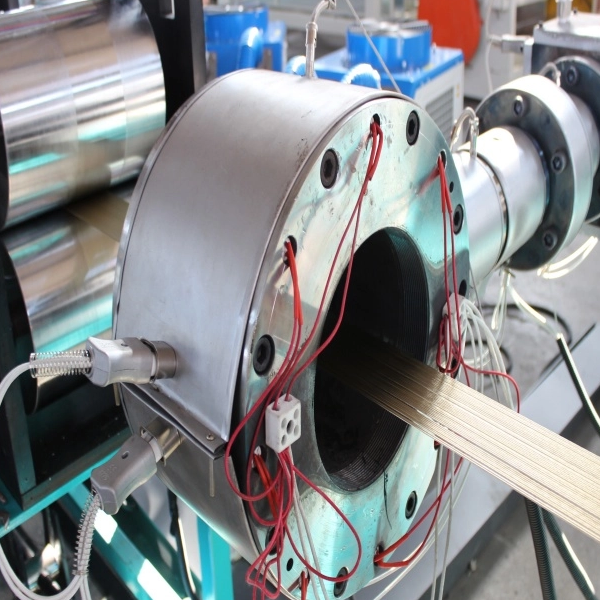
Composite pipe lines have become an integral part of modern infrastructure, offering a combination of durability, flexibility, and cost-effectiveness. These pipelines are extensively used in various industries, including oil and gas, water supply, and chemical processing. The reliability of composite pipe lines is attributed to their unique construction, which combines multiple materials to enhance performance. This article explores the factors that contribute to the reliability of composite pipe lines, with a focus on the role of Plastic Machinery in their production and the advantages they offer over traditional piping systems.
Understanding Composite Pipe Lines
Composite pipe lines are engineered systems that consist of multiple layers of different materials. Typically, these pipes combine materials such as thermoplastics, metals, and fiber-reinforced polymers. The primary objective of using composite materials is to leverage the strengths of each component to achieve superior performance. For instance, the outer layer might be designed for environmental resistance, while the inner layer could be optimized for chemical compatibility or pressure resistance.
The concept of composite materials is not new, but their application in pipe lines has revolutionized how industries approach fluid transport. The ability to customize the properties of composite pipe lines to meet specific requirements makes them an attractive choice for engineers and project managers. Furthermore, advancements in Composite Pipe Lines production technology have significantly improved their reliability and efficiency.
Key Factors Contributing to Reliability
Material Selection
The selection of materials is a critical factor in the reliability of composite pipe lines. Engineers must consider the operating environment, including temperature, pressure, and chemical exposure, to choose appropriate materials. For example, thermoplastic materials such as polyethylene and polypropylene are commonly used for their excellent chemical resistance and flexibility. In contrast, fiber-reinforced polymers provide high strength and stiffness, making them suitable for high-pressure applications.
The integration of different materials allows composite pipe lines to withstand harsh conditions that would typically degrade traditional piping systems. This adaptability is a significant advantage, particularly in industries where operational conditions can vary widely. Additionally, the use of advanced Plastic Machinery ensures precise material handling and processing, further enhancing the reliability of the final product.
Manufacturing Processes
The manufacturing process plays a pivotal role in determining the quality and reliability of composite pipe lines. Advanced manufacturing techniques, such as extrusion and pultrusion, are employed to produce pipes with consistent properties and dimensions. These processes allow for the precise control of material distribution and alignment, which is essential for maintaining the structural integrity of the pipes.
Moreover, innovations in manufacturing technology have led to the development of automated systems that enhance production efficiency and reduce human error. For instance, computerized control systems can monitor and adjust production parameters in real-time, ensuring that each pipe meets stringent quality standards. The integration of such technologies is crucial for achieving the high levels of reliability required in critical applications.
Testing and Quality Assurance
Rigorous testing and quality assurance protocols are essential components of the composite pipe line production process. Manufacturers conduct a series of tests to evaluate the mechanical properties, chemical resistance, and environmental durability of the pipes. These tests help identify potential weaknesses and ensure that the pipes can perform reliably under specified conditions.
Quality assurance also involves regular inspections and audits of the production process to maintain compliance with industry standards. By implementing comprehensive quality control measures, manufacturers can minimize the risk of defects and failures, thereby enhancing the overall reliability of composite pipe lines. This commitment to quality is a key differentiator for companies that specialize in the production of high-performance composite pipes.
Advantages of Composite Pipe Lines
Durability and Longevity
One of the most significant advantages of composite pipe lines is their durability and longevity. The combination of materials used in their construction provides excellent resistance to corrosion, abrasion, and chemical attack. This resistance translates into a longer service life compared to traditional metal or plastic pipes, reducing the need for frequent replacements and maintenance.
The enhanced durability of composite pipe lines is particularly beneficial in industries where downtime can result in significant financial losses. By minimizing the risk of leaks and failures, these pipes contribute to more reliable and efficient operations. Furthermore, the reduced maintenance requirements associated with composite pipe lines can lead to substantial cost savings over the lifetime of a project.
Flexibility and Adaptability
Composite pipe lines offer a high degree of flexibility and adaptability, making them suitable for a wide range of applications. Their ability to bend and conform to complex geometries allows for easier installation in challenging environments. This flexibility also reduces the need for additional fittings and joints, which can be potential points of failure in a piping system.
In addition to their physical flexibility, composite pipe lines can be customized to meet specific performance requirements. By adjusting the composition and configuration of the materials, manufacturers can tailor the properties of the pipes to suit different operational conditions. This adaptability is a key advantage in industries where requirements can vary significantly from one project to another.
Cost-Effectiveness
While the initial cost of composite pipe lines may be higher than that of traditional pipes, their long-term cost-effectiveness is a compelling advantage. The extended service life and reduced maintenance requirements of composite pipes result in lower overall lifecycle costs. Additionally, the lightweight nature of composite materials can lead to savings in transportation and installation costs.
The cost-effectiveness of composite pipe lines is further enhanced by their ability to improve operational efficiency. By minimizing the risk of leaks and failures, these pipes contribute to more reliable and uninterrupted operations. This reliability is particularly valuable in industries where downtime can have significant financial implications. As a result, composite pipe lines are increasingly being recognized as a cost-effective solution for modern infrastructure projects.
Conclusion
In conclusion, composite pipe lines offer a reliable and versatile solution for modern infrastructure needs. Their unique construction, which combines multiple materials, provides superior performance in terms of durability, flexibility, and cost-effectiveness. The role of Plastic Machinery in their production is crucial, as it enables the precise manufacturing processes required to achieve high-quality pipes. As industries continue to demand more efficient and reliable piping systems, composite pipe lines are poised to play an increasingly important role in meeting these needs.
The ongoing advancements in composite materials and manufacturing technologies are expected to further enhance the capabilities of composite pipe lines. As a result, they are likely to become an even more integral part of infrastructure projects across various sectors. By understanding the factors that contribute to their reliability, stakeholders can make informed decisions when selecting piping solutions for their projects. Ultimately, the adoption of composite pipe lines represents a significant step forward in the pursuit of sustainable and efficient infrastructure development.


 +86-18561886575 (Mr.Wu)
 +8618561886575
 238 Yangzhou West Road, Jiaozhou City, Qingdao City, Shandong Province