In the modern construction industry, plastic sheets have become indispensable due to their versatility, durability, and cost-effectiveness. As the demand for innovative building materials grows, the role of plastic sheets continues to expand, offering solutions that traditional materials cannot match. This article explores the multifaceted applications of plastic sheets in construction, examining their impact on plastic production and their contribution to sustainable building practices.
The Evolution of Plastic Sheets in Construction
Plastic sheets have evolved significantly since their inception, driven by technological advancements and the need for more efficient building materials. Initially used for simple applications such as protective coverings, plastic sheets are now integral to various construction processes. Their evolution is marked by improvements in material science, leading to enhanced properties such as increased strength, flexibility, and resistance to environmental factors.
The development of new polymers and composite materials has further expanded the applications of plastic sheets. For instance, polycarbonate and acrylic sheets offer superior impact resistance and clarity, making them ideal for applications requiring transparency and durability. These advancements have positioned plastic sheets as a preferred choice for architects and builders seeking innovative solutions.
Historical Context and Technological Advancements
The history of plastic sheets in construction is closely tied to the broader history of plastics. The first synthetic plastic, Bakelite, was invented in 1907, marking the beginning of the plastic revolution. However, it wasn't until the mid-20th century that plastic sheets began to be widely used in construction. This period saw the development of polyethylene and polyvinyl chloride (PVC), which offered new possibilities for construction materials.
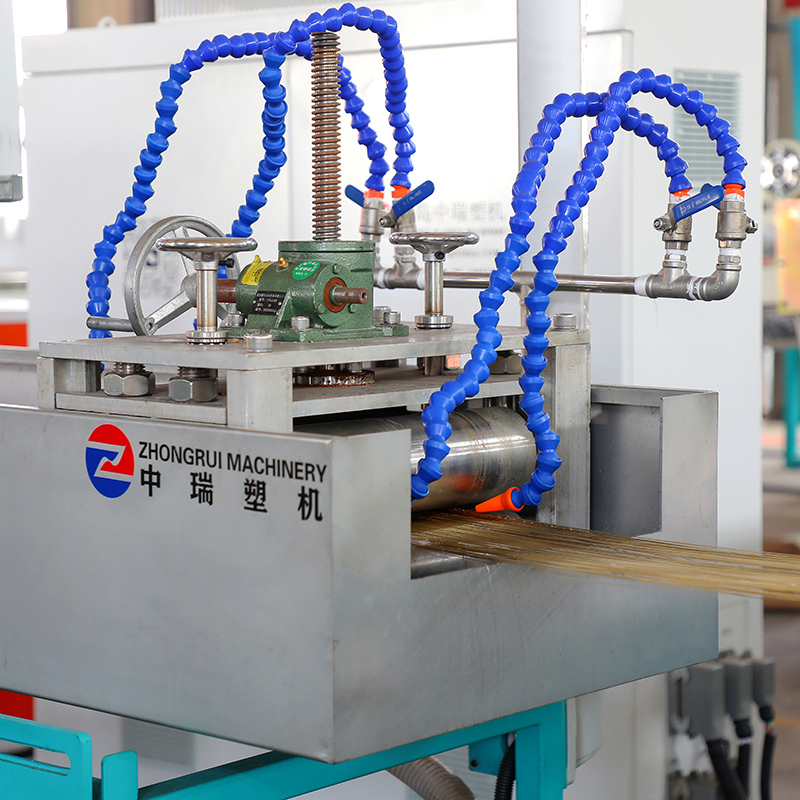
Technological advancements in extrusion and molding processes have played a crucial role in the production of high-quality plastic sheets. Modern extrusion techniques allow for precise control over thickness, texture, and color, enabling the production of sheets tailored to specific applications. These advancements have not only improved the quality of plastic sheets but also reduced production costs, making them more accessible to a wider range of construction projects.
Applications of Plastic Sheets in Construction
Plastic sheets are used in a wide array of construction applications, from roofing and insulation to interior design and landscaping. Their versatility is one of their greatest strengths, allowing them to be adapted to various functions within a building project. This section explores some of the most common applications of plastic sheets in construction and the benefits they offer.
Roofing and Insulation
Plastic sheets are increasingly used in roofing applications due to their lightweight nature and resistance to weathering. Polycarbonate sheets, for example, are often used in skylights and greenhouses, where their transparency and UV resistance are highly valued. Additionally, plastic sheets can be used as vapor barriers in roofing systems, providing an effective layer of insulation that helps regulate temperature and reduce energy costs.
The use of plastic sheets in insulation is also noteworthy. Expanded polystyrene (EPS) and extruded polystyrene (XPS) sheets are commonly used as insulation materials in walls, roofs, and floors. These materials offer excellent thermal resistance, helping to maintain comfortable indoor temperatures and reduce energy consumption.
Interior Design and Aesthetics
In interior design, plastic sheets offer a range of aesthetic possibilities. Acrylic sheets, for instance, are often used as an alternative to glass in applications such as partitions, shower enclosures, and decorative panels. Their clarity and ability to be easily shaped and colored make them a popular choice for designers seeking to create visually striking interiors.
Moreover, plastic sheets can be used to create textured surfaces and patterns, adding depth and interest to interior spaces. This versatility allows designers to experiment with different styles and finishes, enhancing the overall aesthetic appeal of a building.
Landscaping and Outdoor Applications
Plastic sheets are also widely used in landscaping and outdoor applications. For example, they are used to create durable and weather-resistant outdoor furniture, fencing, and decking. The use of recycled plastic sheets in these applications is particularly noteworthy, as it contributes to sustainability efforts by reducing waste and conserving natural resources.
Additionally, plastic sheets are used in the construction of green roofs and living walls, where their lightweight nature and resistance to moisture make them an ideal choice. These applications not only enhance the aesthetic appeal of outdoor spaces but also contribute to environmental sustainability by promoting biodiversity and reducing urban heat.
The Impact of Plastic Sheets on Sustainability
Sustainability is a critical consideration in modern construction, and plastic sheets play a significant role in promoting sustainable building practices. Their durability and low maintenance requirements contribute to the longevity of building materials, reducing the need for frequent replacements and repairs. This longevity translates into lower resource consumption and waste generation over the life of a building.
Furthermore, the use of recycled plastic sheets in construction helps to divert plastic waste from landfills and reduce the demand for virgin materials. This practice aligns with the principles of a circular economy, where materials are reused and recycled to minimize environmental impact. The development of biodegradable and bio-based plastic sheets also represents a promising avenue for enhancing the sustainability of construction materials.
Energy Efficiency and Resource Conservation
Plastic sheets contribute to energy efficiency in buildings by providing effective insulation and reducing thermal bridging. This efficiency is particularly important in regions with extreme temperatures, where maintaining comfortable indoor environments can be energy-intensive. By improving the thermal performance of buildings, plastic sheets help to reduce energy consumption and associated greenhouse gas emissions.
In addition to energy efficiency, plastic sheets contribute to resource conservation by reducing the need for traditional building materials such as wood and metal. This reduction helps to preserve natural resources and minimize the environmental impact of construction activities. The lightweight nature of plastic sheets also reduces transportation costs and emissions, further enhancing their sustainability credentials.
Challenges and Considerations in the Use of Plastic Sheets
Despite their many advantages, the use of plastic sheets in construction is not without challenges. One of the primary concerns is the environmental impact of plastic production, which can contribute to pollution and resource depletion. To address these concerns, the construction industry must prioritize the use of recycled and sustainable materials, as well as implement best practices for waste management and recycling.
Another consideration is the potential for plastic sheets to degrade over time, particularly when exposed to harsh environmental conditions. To mitigate this risk, manufacturers are developing advanced formulations and coatings that enhance the durability and weather resistance of plastic sheets. These innovations are essential for ensuring the long-term performance and sustainability of plastic-based construction materials.
Regulatory and Safety Considerations
The use of plastic sheets in construction is subject to various regulatory and safety considerations. Building codes and standards often specify the types of materials that can be used in specific applications, as well as the performance criteria they must meet. Compliance with these regulations is essential for ensuring the safety and reliability of construction projects.
In addition to regulatory compliance, safety considerations are paramount when using plastic sheets in construction. This includes ensuring that materials are fire-resistant and do not emit harmful fumes when exposed to heat. Manufacturers are continually working to improve the safety profile of plastic sheets, developing new formulations that meet stringent safety standards while maintaining performance and aesthetic qualities.
Conclusion
Plastic sheets play a vital role in modern construction, offering a range of benefits that traditional materials cannot match. Their versatility, durability, and cost-effectiveness make them an attractive choice for architects and builders seeking innovative solutions. As the construction industry continues to evolve, the role of plastic sheets is likely to expand, driven by advancements in material science and a growing emphasis on sustainability.
To maximize the benefits of plastic sheets, it is essential to prioritize sustainable practices and embrace new technologies that enhance their performance and environmental credentials. By doing so, the construction industry can harness the full potential of plastic sheets, contributing to the development of more sustainable and resilient built environments. For more information on the applications and benefits of plastic sheets, visit plastic production.


 +86-18561886575 (Mr.Wu)
 +8618561886575
 238 Yangzhou West Road, Jiaozhou City, Qingdao City, Shandong Province