The profitability of a packaging consumables manufacturing operation hinges on the versatility and output quality of its extrusion and processing equipment. Manufacturers must balance the capital expenditure of new machinery against the specific material demands of their target market. Selecting equipment that cannot process the required polymer blends, accommodate specific end-user sealing methods, or handle composite structures limits market reach and degrades operational returns. Evaluating a packaging belt production line requires a strict analysis of its material compatibility. You must understand how the system handles everything from standard thermoplastics to advanced composites. Machine specifications directly dictate the final tensile strength, elasticity, and application of the packaging straps produced. Matching extruder capabilities to your raw material feed ensures consistent dimensional tolerances and prevents catastrophic failures during automated friction welding or manual buckling.
- Material-Specific Engineering: Production lines are rarely universally compatible; a dedicated PET strapping production line requires different crystallization and drying components than a standard PP line.
- Market Alignment: Polypropylene (PP) dominates light-to-medium volume bundling and distribution, while Polyester (PET) is the standard for heavy-duty, high-tension load securement, effectively replacing expensive steel in many manufacturing sectors.
- Co-Extrusion Capabilities: Advanced lines capable of processing fiber or sandwich structures offer higher margin products but require stringent tension control and specialized die heads.
Defining Success Criteria for Your Packaging Belt Production Line
Market Demand vs. Machine Capability
You must assess whether your target buyers require high-elongation recovery or high break strength. Polypropylene provides excellent elongation recovery. This mechanical trait makes it ideal for settling loads that shrink during transit, such as agricultural products or cooling metal ingots. Polyester offers high break strength with minimal creep. It serves rigid, heavy-duty transit applications like lumber, brick, and block securement. Your chosen machinery must align with these specific mechanical requirements. A machine designed for high-stretch PP cannot impart the tensile rigidity required for heavy-duty PET applications. You must match the extruder output, stretching ratios, and annealing capacity to the exact physical properties demanded by your end-users.
End-User Application and Sealing Compatibility
Determine how the end product will be secured in the field. Common methods include manual buckles, metal seals, or automated friction welding. The production line must guarantee strict dimensional tolerances. Width and thickness variations will cause immediate jams in automated strapping heads. Inconsistent dimensions also lead to dangerous slippage in buckle applications. You need closed-loop measurement systems on your line. These systems monitor the strap profile in real-time. They adjust the melt pump speed to maintain absolute consistency across the entire coil. If the surface embossing is too shallow, friction welding tools cannot generate enough heat to fuse the joint. If the embossing is too deep, it compromises the core tensile strength of the strap.
Throughput and Yield Requirements
Define the required kilograms-per-hour output for your facility. Material density directly impacts line speed and cooling requirements. Heavier straps require longer cooling troughs to solidify the core before reaching the stretching godets. Pushing a machine beyond its rated throughput compromises the molecular orientation of the polymer. This results in brittle straps that snap under tension. You must calculate the exact yield needed to meet production quotas. Factor in the specific gravity of the polymer being processed. Ensure the stretching ovens can maintain temperature at your target line speed. A line running at 120 meters per minute requires significantly more thermal input in the MDO (Machine Direction Orientation) oven than a line running at 80 meters per minute.
Raw Material Flexibility
Establish baseline requirements for processing virgin resins versus recycled post-consumer flakes. Processing recycled materials introduces variables in melt flow index and contamination. Your line must handle these fluctuations without dropping pressure. Evaluate the acceptable threshold for material variation. High-quality lines incorporate continuous melt filtration to handle impurities like paper labels, aluminum foil, and residual adhesives. This flexibility allows you to adapt to raw material availability. It ensures continuous operation even when virgin resin supplies are constrained. Utilizing hot-washed bottle flakes requires specialized force-feeding hoppers to handle the lower bulk density compared to uniform virgin pellets.
Core Material Capabilities in Packaging Straps Manufacturing
Polypropylene (PP): The Standard for Light-to-Medium Applications
Polypropylene offers high elasticity and extreme flexibility. It is the primary choice for unitizing, palletizing, and general distribution tasks. PP straps stretch under tension and recover their shape. This keeps loads secure even if the package settles. A standard PP strapping production line requires specific screw designs. These screws facilitate low-temperature melting to prevent polymer degradation. The line relies on efficient water-cooling troughs to solidify the strap quickly.
Embossing rollers must be calibrated for PP's specific shrinkage rates. PP is generally easier to extrude than other polymers. However, it remains highly sensitive to ambient cooling temperatures. Uneven cooling causes camber, which means the strap curves instead of lying straight. Straightness is critical for automated feeding machines. Operators must strictly control the water temperature in the cooling baths to ensure a perfectly straight profile. The primary quench bath usually operates around 20-25°C, while secondary cooling stages may use chilled water to lock in the dimensions.
Standard startup sequence for a PP line:
- Pre-heat the extruder barrel and die head to the specified processing temperature (typically 210-230°C).
- Engage the melt pump and establish a steady flow of purged material.
- Thread the extruded profile through the primary water quench bath.
- Feed the solidified strap through the first set of godet rollers.
- Pass the strap through the hot air stretching oven and engage the secondary godet rollers at a higher speed to achieve the draw ratio.
- Thread through the embossing unit and annealing oven.
- Engage the servo-driven winders and adjust the dancer arm tension.
Polyester (PET): High-Tension Heavy-Duty Alternatives to Steel
Polyester delivers high tensile strength and excellent tension retention. It is highly UV resistant, making it suitable for outdoor storage. PET is the primary choice for shifting loads and heavy industrial packaging. It maintains tension even if the load settles during long-haul transit. Operating a PET strapping production line demands complex pre-drying systems. You must utilize crystallization units to prevent hydrolytic degradation during extrusion. Moisture destroys the intrinsic viscosity of PET.
PET processing requires significantly higher extrusion temperatures than PP, often exceeding 270°C. The line must feature robust stretching ovens to achieve Machine Direction Orientation. This stretching aligns the polymer molecules, granting the strap its immense strength. Specialized annealing processes are mandatory. Annealing locks in the molecular orientation and prevents the strap from splitting lengthwise. Without proper annealing, PET straps will fail catastrophically under sudden impact loads. The draw ratio for PET is typically between 4:1 and 5:1, requiring heavy-duty gearboxes on the stretching godets.
Advanced Composites: Fiber and Sandwich Materials
Composite materials represent the high-performance tier of load securement. A fiber packaging belt production line integrates continuous synthetic yarns. These yarns, typically polyester or nylon, are coated with polymers. This creates ultra-high-strength, flexible, corded strapping. Fiber straps provide a safer, non-sharp alternative to steel banding. Manufacturing them requires specialized yarn tensioning creels. The line uses cross-head extrusion dies to encapsulate the fibers evenly. Tension control on the individual yarns is critical; if one yarn is slack, the entire strap loses its load-bearing capacity.
Co-extrusion technology enables multi-layered strap production. A sandwich packaging belt production line utilizes A-B-A layer configurations. This encapsulates a recycled core with high-grade virgin outer layers. This process requires multi-extruder synchronization. Precise melt-pump control is essential. The core material must not breach the outer layer. If the core breaches, it compromises the strap's weldability in automated friction sealers. Sandwich lines demand advanced PLC integration to manage the distinct melt flows and maintain the exact ratio of core to skin material, usually around 80% core and 20% skin.
Niche and Traditional Materials
Steel remains the most heavy-duty and least flexible strapping material. It handles extreme industrial loads with zero stretch. However, steel requires entirely different metallurgical processing equipment. You need slitting, edge conditioning, heat treating, and painting lines. Polymer extrusion lines cannot process steel. Nylon requires specialized high-temperature extruders. Its high melting point and hygroscopic nature demand intense drying protocols. Paper strapping requires laminating and gluing lines, completely bypassing plastic extrusion technology.
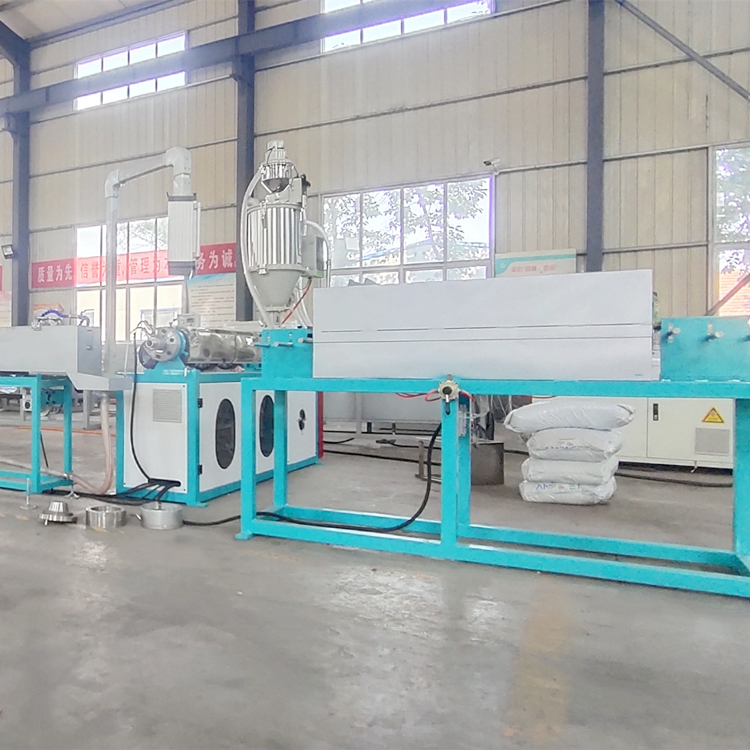
![Packaging Straps Production Line]()
Technical Evaluation: Matching Machine Features to Material Outcomes
Extrusion and Melt Filtration
You must evaluate the Length to Diameter (L/D) ratios of the extruder screws. PET requires longer screws, typically 30:1 or 32:1. This ensures thorough mixing and melting of recycled flakes. PP can operate efficiently with slightly shorter ratios, often 28:1. Assess the integration of automatic screen changers. Continuous dual-piston screen changers allow operators to swap filters without stopping the line. This prevents melt pressure drops. Consistent pressure is vital for maintaining the dimensional stability of the extruded profile. A gear pump (melt pump) installed after the screen changer isolates the die head from pressure surges generated by the extruder screw.
Stretching and Embossing Stages
Analyze the gear ratios and motor synchronization in the stretching godets. The godets must pull the semi-solid polymer at precise speeds to achieve optimal molecular orientation. Deep embossing increases joint efficiency for friction welding tools. It also provides grip for automated feed wheels. However, embossing requires precise temperature control. If the embossing rollers are too cold, they will fracture the surface. If they are too hot, they weaken the strap's core tensile strength. The embossing pattern itself matters; a diamond pattern offers different friction characteristics than a cross-hatch pattern.
Annealing and Cooling
Compare hot air ovens versus heated rollers for the annealing process. Annealing relieves the internal stresses created during the stretching phase. Proper annealing is critical for dimensional stability. It drastically reduces post-extrusion shrinkage. If a strap shrinks after being wound into a coil, it will crush the cardboard core. The cooling troughs must feature turbulent water flow. This strips away the boundary layer of heat, solidifying the strap rapidly before it reaches the winders. The relaxation ratio during annealing is typically set between 3% and 5% to lock in the polymer's memory.
Winding Technology
Assess the accumulator capacity of the winding station. The accumulator holds the strap temporarily during a coil changeover. Evaluate the precision of the servo-driven winders. Poor winding tension leads to unstable coils. These coils will telescope or collapse during transit. Unstable coils frequently fail in automated strapping machines, causing costly downtime for end-users. Servo motors provide the exact tension control needed to build a perfectly cylindrical, stable coil. Dancer arms provide real-time tension feedback to the PLC, adjusting the winder speed instantly to compensate for line fluctuations.
| Material Type | Primary Application | Extrusion Complexity | Required Pre-Processing | Key Mechanical Trait |
| Polypropylene (PP) | Light bundling, mail, pallets | Low to Medium | Standard drying | High elongation recovery |
| Polyester (PET) | Heavy industrial, shifting loads | High | Crystallization & deep drying | High break strength, low creep |
| Fiber Composites | Safe alternative to steel | Very High | Yarn tensioning creels | Extreme tear resistance |
| Sandwich (A-B-A) | High-volume automated securing | Very High | Multi-extruder synchronization | Excellent surface weldability |
Operational Trade-Offs and Efficiency Metrics
Energy Consumption Profiles
Processing different polymers requires vastly different energy inputs. PET lines typically consume more energy per kilogram of output. This is due to the mandatory crystallization process. Heating the raw flakes to crystallize them draws significant power. Furthermore, PET requires higher extrusion temperatures and hotter stretching ovens compared to PP. Facility managers must ensure their electrical infrastructure can handle the sustained amperage draw of a high-capacity PET line. Upgrading to insulated heater bands and high-efficiency AC motors can mitigate some of this electrical load.
Raw Material Sourcing and Processing
Lines equipped to handle 100% recycled PET flakes offer distinct operational advantages. Utilizing post-consumer bottle flakes reduces reliance on virgin resins. However, processing flakes requires advanced filtration systems to remove paper, glue, and aluminum contaminants. You must also implement robust dehumidification systems. While the raw material is highly accessible, the machinery required to process it demands precise calibration and continuous monitoring. Screen blinding occurs rapidly with low-quality flakes, requiring frequent filter changes and increasing operator intervention.
Changeover Efficiency
Multi-purpose lines capable of running both PP and PET exist on the market. However, these hybrid machines often compromise on maximum throughput. Transitioning a line from PET to PP requires lengthy changeover times. Operators must purge the extruders completely. They must change the die heads, adjust the stretching oven temperatures, and recalibrate the cooling troughs. Dedicated lines eliminate this downtime. For high-volume operations, running separate, dedicated lines yields higher overall efficiency than relying on a single hybrid machine.
Standard changeover steps from PET to PP:
- Empty the drying hopper and crystallizer completely.
- Introduce a high-viscosity purging compound to push out residual PET.
- Lower the extruder barrel temperatures from 270°C to 220°C.
- Adjust the die lip gap to accommodate the different swell ratio of PP.
- Reduce the stretching oven temperatures.
- Modify the godet gear ratios to match PP's lower draw requirements.
- Recalibrate the embossing roller pressure.
Implementation Risks and Mitigation Strategies
Intrinsic Viscosity (IV) Drop in PET
Moisture is the primary enemy of PET extrusion. If raw materials contain moisture, the heat of the extruder causes hydrolytic degradation. This rapidly drops the Intrinsic Viscosity of the polymer. The resulting straps will be brittle and snap instantly under tension. Invest in continuous infrared or vacuum drying systems. Monitor the moisture content of the flakes before they enter the hopper. Maintain a strict dew point in the drying hoppers to ensure the material remains perfectly dry. A dew point of -40°C is the industry standard for processing PET flakes.
Inconsistent Tensile Strength and Dimensions
Variations in melt pressure cause dimensional inconsistencies in the final strap. If the strap is too thin, it loses tensile strength. If it is too thick, it renders the strap incompatible with buckles or automated sealers. Ensure the line includes high-precision melt pumps. These pumps isolate the die head from pressure surges in the extruder. Implement closed-loop laser measurement systems to monitor the profile continuously and adjust the line speed automatically. Regular calibration of the die head bolts is also necessary to maintain an even melt flow across the entire width of the extrusion die.
Operator Error on Complex Lines
Co-extrusion setups, such as sandwich lines, require advanced operational knowledge. Synchronizing two or three extruders to feed a single die head is complex. Incorrect temperature settings will cause the layers to delaminate. Mandate comprehensive OEM training for all operators. Utilize advanced PLC systems with pre-programmed material recipes. Lock critical parameters behind supervisor passcodes to prevent unauthorized adjustments during production runs. Establish a strict preventative maintenance schedule for the screen changers and melt pumps to avoid unexpected pressure spikes.
| Common Defect | Probable Cause | Immediate Corrective Action |
| Melt Fracture (Sharkskin) | Extrusion temperature too low or line speed too high. | Increase die head temperature; reduce extruder RPM. |
| Severe Camber (Curving) | Uneven cooling in the primary water bath. | Adjust water flow baffles; ensure strap is submerged evenly. |
| Edge Tearing | Die lip damage or contamination in the melt. | Clean the die lips; cycle the screen changer. |
| Telescoping Coils | Incorrect winding tension or faulty dancer arm. | Recalibrate servo winder tension parameters in the PLC. |
Conclusion
- Audit your facility's electrical capacity and cooling water infrastructure to ensure they can support the specific energy demands of the chosen extrusion process.
- Request a comprehensive material trial from the equipment manufacturer using your exact raw material blend, including local recycled flakes.
- Verify the tensile strength, elongation recovery, and camber of the trial straps before finalizing any machinery acquisition.
- Implement strict moisture control and continuous melt filtration protocols to protect the intrinsic viscosity and dimensional stability of your final product.
FAQ
Q: Can a single production line process both PP and PET packaging straps?
A: Yes, some hybrid lines can process both materials. However, they require significant changeover time. Operators must perform screw changes, purge the extruder, and adjust drying and cooling systems. Dedicated lines are generally recommended for high-efficiency, continuous operations.
Q: What is the advantage of a sandwich packaging belt production line?
A: It allows manufacturers to use heavily recycled material in the core layer while using virgin material on the outer layers. This maintains excellent surface weldability and appearance for automated strapping machines while utilizing accessible recycled inputs.
Q: Why does a PET strapping production line require a crystallizer?
A: Uncrystallized PET flakes will clump and stick together when heated in the extruder's drying hopper. The crystallizer changes the molecular structure of the flakes. This allows the material to be dried at high temperatures without agglomeration.
Q: How does a fiber packaging belt production line differ from standard extrusion?
A: Instead of melting and stretching a solid polymer profile, a fiber line coats or bonds continuous high-tenacity yarns together. This creates composite strapping, requiring specialized tensioning racks and coating dies rather than standard stretching ovens.
Q: Can plastic extrusion lines produce steel strapping?
A: No. Steel strapping requires metal slitting, edge conditioning, heat treatment, and coating machinery. This metallurgical equipment is entirely distinct from polymer extrusion technology.
Q: What percentage of recycled material can be used in PP strapping production?
A: Depending on the quality of the melt filtration system and the required tensile strength of the final product, modern PP lines can process anywhere from 30% to 100% recycled polypropylene flakes or pellets.
Q: How do embossing rollers affect the quality of packaging straps?
A: Embossing increases the surface friction of the strap. This texture is critical for the grip of automated strapping machine feed wheels. Deep, consistent embossing also improves the strength and reliability of friction-welded joints.



 +86-18561886575 (Mr.Wu)
 +8618561886575
 238 Yangzhou West Road, Jiaozhou City, Qingdao City, Shandong Province