Introduction
Cutting PVC wall panels seems easy at first glance, but small mistakes often lead to big problems. A rough edge or wrong cut can ruin the final look and create gaps that are hard to fix. Many people ask, why do panels crack or chip even when using the right tools? The truth is, cutting PVC panels requires more than just basic tools. It depends on how the material reacts under pressure and heat. It also connects closely to how the panels are made in a PVC Wall Panel Production Line, where density and structure are formed.
In this article, we will explore how to cut PVC wall panels correctly. You will learn practical methods, tool choices, and cutting techniques. We will also explain how material quality, including panels produced by reliable manufacturers like Zhongrui, can improve your cutting results.

Understanding PVC Wall Panels Before Cutting
Types of PVC Panels and Their Structure
PVC wall panels may look similar, but they behave quite differently during cutting. Their internal structure and thickness directly affect how we choose tools and techniques. If we understand these differences early, we can avoid common problems like cracking, tearing, or rough edges during installation.
The two main types are expanded PVC and solid PVC. Expanded PVC panels have a foam core, which makes them lightweight and easy to handle. However, they can compress or tear if too much pressure is applied, so we need to cut them with care and control. Solid PVC panels are denser and stronger. They behave more like rigid plastic, and during cutting, they may generate heat. If we use the wrong blade or move too fast, the edges can melt slightly and affect the finish.
Besides structure, thickness also plays a key role in how we cut PVC panels. Different thickness levels require different tools and techniques to achieve clean and accurate results.
Thickness Range | Cutting Difficulty | Recommended Tools | Key Notes |
3–5 mm | Easy | Utility knife | Score and snap method works best |
5–10 mm | Moderate | Knife + hand saw | Combine precision and control |
10 mm+ | Higher | Circular saw / jigsaw | Requires power tools for clean cut |
When we match the panel structure and thickness to the right cutting method, the process becomes smoother and more reliable.
How PVC Wall Panel Production Line Affects Material Properties
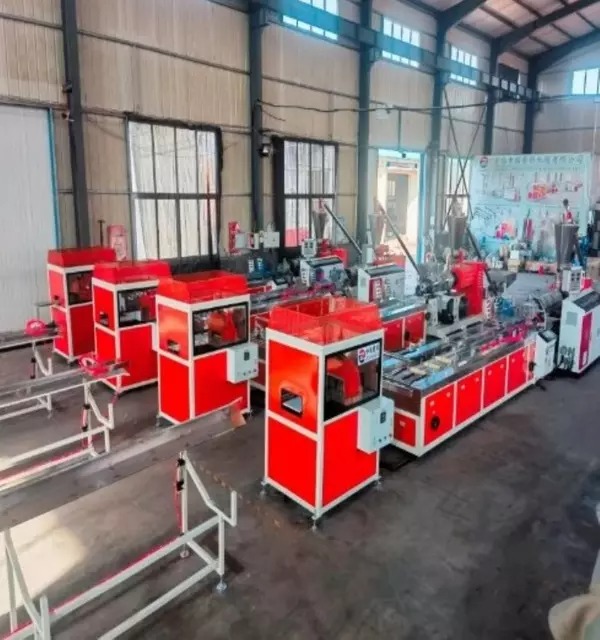
The manufacturing process has a direct impact on how panels respond to cutting. A high-quality PVC Wall Panel Production Line ensures uniform density, smooth surfaces, and stable internal structure.
Extrusion technology controls how the material is formed. If the process is consistent, the panel will have even thickness and fewer internal stresses. This makes cutting more predictable and reduces the risk of cracking.
Surface treatments like thermal printing or lamination also affect cutting. These layers can chip if the blade is dull or if the cut is too aggressive.
Manufacturers such as Zhongrui focus on advanced extrusion and quality control. Their production systems help create panels that are easier to cut, with cleaner edges and less material deformation.
Essential Tools for Cutting PVC Wall Panels
Hand Tools for Precision Cutting
Hand tools are ideal for thin panels and small adjustments. A sharp Stanley knife is one of the best options for panels under 5 mm thick. It allows you to score the surface and snap the panel cleanly along the line.
A fine-tooth hand saw or tenon saw is another reliable choice. It provides better control than power tools and reduces the chance of chipping. The key is to use slow, steady strokes and avoid forcing the blade through the material.
These tools are simple but effective. They are especially useful for DIY projects or when working in tight spaces where power tools are not practical.
Power Tools for Faster & Thicker Cuts
Power tools become necessary when panels get thicker. A jigsaw handles curves and irregular shapes, making it useful for custom designs. Using a fine-tooth blade helps reduce vibration and keeps the edge smooth.
A circular saw works best for long, straight cuts. It increases efficiency when cutting multiple panels. However, blade choice matters a lot, since the wrong blade can create rough edges or heat damage.
Below is a quick comparison of common tools:
Tool Type | Best Use Case | Key Advantage | Cutting Control |
Utility Knife | Thin panels (≤5mm) | Clean, precise scoring | High |
Hand Saw | Medium thickness | Good balance of control | Medium |
Jigsaw | Curves and shapes | Flexible cutting paths | Medium |
Circular Saw | Straight, thick panels | Fast and efficient | Lower |
Supporting Tools You Should Not Skip
Accurate cutting depends on proper preparation. A measuring tape and ruler help ensure straight, precise lines. Always mark on the back side of the panel to protect the visible surface.
A stable cutting surface is just as important. A flat workbench or cutting table prevents movement during cutting. This improves both safety and accuracy.
Small details like clear markings and stable support often make the biggest difference in the final result.
Tip: Always test your tool and blade on a scrap piece first to confirm cutting quality before working on the final panel.
Step-by-Step Guide: How to Cut PVC Wall Panels Correctly
Step 1 – Prepare the Panel and Workspace
Start by placing the panel on a flat, stable surface. This prevents movement and ensures a straight cut. If you are using a saw, position the decorative side facing up or down depending on the tool to minimize surface damage.
Make sure your workspace is clean and well-lit. Remove any debris that could interfere with the cutting process. Proper preparation reduces mistakes and improves overall efficiency.
Taking a few extra minutes at this stage saves time later and helps avoid costly errors.
Step 2 – Measure and Mark Accurately
Use a tape measure to determine the exact size needed. Mark the measurements on the back of the panel using a pencil. Always mark both ends of the panel to ensure alignment.
Double-check your measurements before proceeding. Even a small error can affect the final installation. Clear and accurate markings provide a reliable guide for cutting.
Consistency in marking is key to achieving professional results.
Step 3 – Draw a Clear Cutting Line
Connect your marks using a ruler or straight edge. This line will guide your cutting tool and help maintain accuracy.
A well-defined line reduces the chance of deviation during cutting. It also allows you to maintain a steady path, especially when using power tools.
Do not rush this step. A precise guideline leads to a cleaner finish.
Step 4 – Execute the Cut Smoothly
Begin cutting slowly along the marked line. If using a knife, score the surface multiple times instead of trying to cut through in one pass. This creates a cleaner edge and reduces stress on the material.
When using a saw, maintain a steady speed and avoid forcing the blade. Let the tool do the work. Smooth, controlled movement produces better results than fast, aggressive cutting.
Patience during this step ensures accuracy and prevents damage.
Step 5 – Test Fit Before Installation
Before fixing the panel to the wall, place it in position to check the fit. This allows you to make adjustments if needed.
If the cut is slightly off, you can refine it using sandpaper or a trimming tool. It is easier to correct small errors at this stage than after installation.
Testing the fit ensures a seamless final appearance.
Choosing the Right Cutting Method Based on Panel Thickness
Cutting Thin Panels (≤5mm)
Thin panels are best cut using the scoring method. Use a sharp knife to score along the cutting line several times. Once the cut is deep enough, snap the panel along the line.
This method produces clean edges and requires minimal tools. It also reduces the risk of chipping or cracking.
Control is the main advantage here. You can achieve precise results without using power tools.
Cutting Medium Thickness Panels (5–10mm)
For medium thickness panels, a combination of knife and saw works well. Start by scoring the surface, then complete the cut using a fine-tooth saw.
This approach balances control and efficiency. It allows you to maintain accuracy while reducing cutting effort.
Take your time and avoid applying too much pressure. Consistency is more important than speed.
Cutting Thick Panels (10mm+)
Thick panels require power tools such as circular saws or jigsaws. These tools provide the necessary cutting power while maintaining precision.
Blade selection becomes critical at this stage. A fine-tooth or carbide-tipped blade helps prevent rough edges and heat buildup.
Maintain a steady cutting speed. Moving too fast or too slow can affect the quality of the cut.
Advanced Cutting Techniques for Professional Results
Using Track Saws for Straight Precision
Track saws offer a high level of accuracy for straight cuts. They use a guided rail system that keeps the blade aligned along the cutting path.
This method reduces chipping and produces clean edges. It is especially useful for large panels where precision is essential.
Track saws combine the flexibility of handheld tools with the accuracy of stationary equipment.
CNC Cutting from PVC Wall Panel Production Line Systems
CNC cutting is widely used in industrial environments. It allows for precise, repeatable cuts, making it ideal for large-scale production.
Integrated with a PVC Wall Panel Production Line, CNC systems can produce complex shapes with high consistency. This reduces material waste and improves efficiency.
Manufacturers like Zhongrui use such advanced systems to deliver panels with precise dimensions and smooth edges, which simplifies both cutting and installation.
Waterjet Cutting for High-End Applications
Waterjet cutting uses high-pressure water to cut through materials. It does not generate heat, which eliminates the risk of melting or deformation.
This method is suitable for thick panels and intricate designs. It provides excellent edge quality and high precision.
Although it is more specialized, it is a valuable option for projects requiring top-level accuracy.
How to Achieve Smooth Edges After Cutting
Sanding Techniques for Clean Finishes
After cutting, some edges may feel rough. Sanding helps smooth them out and improve appearance.
Use sandpaper with a grit between 220 and 320. Sand along the direction of the cut to avoid visible scratches.
Light sanding is usually enough. It enhances the finish without removing too much material.
Router Trimming for Perfect Edges
A router provides more precise finishing. It trims edges evenly and creates consistent profiles. Using a guide ensures uniform results across multiple panels.
Below is a quick comparison of finishing methods:
Method | Best For | Result Quality | Skill Level |
Sanding | Minor imperfections | Smooth edges | Low |
Router | Precision finishing | Professional edges | Medium |
Choosing the right finishing method depends on the level of precision you need. For basic projects, sanding is enough, but for a more refined and professional look, a router delivers better consistency.

Pro Tips to Avoid Common Cutting Mistakes
Even when we use the right tools, small mistakes can still affect the final result. Issues like cracks, rough edges, or uneven cuts often come from technique rather than equipment. By focusing on a few key areas, we can improve cutting quality and avoid common problems during installation.
Key Aspect | What to Do | Why It Matters | Result Improvement |
Blade Sharpness | Always use sharp blades | Dull tools increase pressure and damage | Cleaner cuts, fewer cracks |
Cutting Pressure | Apply gentle, steady force | Excess force causes uneven edges | Smooth and controlled cutting |
Heat & Friction Control | Use proper blades and steady speed | Heat can melt or deform PVC edges | Better edge finish, no melting |
Cutting Continuity | Avoid stopping mid-cut | Stops create marks and uneven lines | More consistent cutting results |
Practice Before Final Cut | Test on scrap material | Helps understand material behavior | Higher accuracy and confidence |
By paying attention to these details, we can reduce errors and achieve more professional results.
Note: Even high-quality panels from advanced production lines perform best when paired with correct cutting techniques and proper preparation.
Conclusion
Cutting PVC wall panels correctly depends on proper tools, steady techniques, and careful preparation. When we understand how panels behave, especially those produced through a PVC Wall Panel Production Line, we gain better control over each cut and reduce mistakes. Choosing the right method based on thickness helps achieve smooth edges and accurate sizing without damaging the surface.
With consistent practice, we can improve precision and efficiency in every project. High-quality equipment also plays an important role. Qingdao Zhongrui Plastic Machinery Co., Ltd. provides advanced production solutions that ensure stable panel structure, making cutting easier and more reliable. Their technology supports better material performance, helping users achieve cleaner results and long-lasting installations.
FAQ
Q: What is the easiest way to cut PVC wall panels?
A: The easiest way is using a sharp utility knife for thin panels. Score along a straight line, then snap the panel cleanly. For thicker panels, a fine-tooth saw works better. Panels made from a stable PVC Wall Panel Production Line usually cut more smoothly.
Q: How does panel thickness affect cutting methods?
A: Thickness determines the tool choice. Thin panels allow scoring and snapping, while thicker ones require saws or power tools. Panels produced through a PVC Wall Panel Production Line often have consistent thickness, making method selection easier.
Q: Why do PVC panels crack during cutting?
A: Cracking often happens due to excessive pressure or dull blades. It can also result from uneven material structure. High-quality panels from a PVC Wall Panel Production Line reduce this risk because of better internal consistency.
Q: Can I use power tools to cut PVC wall panels?
A: Yes, power tools like jigsaws and circular saws are ideal for thick panels. Use fine-tooth blades and maintain steady speed. Properly manufactured panels from a PVC Wall Panel Production Line respond better to these tools.
Q: What tools give the cleanest cut?
A: A sharp knife works best for thin panels, while a circular saw with a fine blade suits thicker materials. Clean cuts depend on both tools and material quality, especially when panels come from a reliable PVC Wall Panel Production Line.
Q: Is cutting PVC wall panels expensive?
A: It is generally low-cost. Basic tools like knives and saws are affordable. Costs may increase with advanced tools or large projects, but panels made via efficient PVC Wall Panel Production Line systems help reduce waste and improve value.




 +86-18561886575 (Mr.Wu)
 +8618561886575
 238 Yangzhou West Road, Jiaozhou City, Qingdao City, Shandong Province