The global market for industrial machinery is undergoing a seismic shift, with the plastic process equipment sector projected to exceed $54 billion by 2030 at a CAGR of approximately 6.5%. For plant managers and procurement directors, this growth presents both an opportunity and a significant challenge. As production demands scale up, the pressure to optimize capital expenditure (CapEx) intensifies. However, selecting the right manufacturing partner is no longer a simple equation of finding the lowest sticker price.
The real challenge lies in identifying machinery that delivers long-term stability, energy efficiency, and the adaptability required for modern recycled materials. A poor choice today can lead to ballooning operational costs, frequent downtime, and an inability to meet tightening environmental regulations tomorrow. It is a decision that impacts your bottom line for the next decade.
This guide cuts through the marketing noise to rank top-tier global and emerging manufacturers for 2026. We evaluate these industry leaders based on technological reliability, Total Cost of Ownership (TCO), and service infrastructure to help you make a data-driven investment.
Key Takeaways
TCO Over Price: Why energy-efficient servo drives and lower maintenance requirements outweigh initial sticker shock.
The List: A curated mix of European precision leaders and high-ROI Asian manufacturers, including Qingdao Zhongrui Plastic Machinery Co., Ltd.
Smart Integration: The necessity of IoT and predictive maintenance features in 2026 equipment models.
Sustainability Readiness: Evaluating hardware based on its ability to process PCR (Post-Consumer Recycled) materials without degrading output quality.
Evaluation Criteria: How We Ranked the Top Manufacturers
Before diving into the manufacturer list, it is crucial to understand the metrics that drive long-term profitability in plastic manufacturing. We moved beyond brand reputation to analyze the technical and operational factors that actually affect your daily production floor.
Machine Longevity & Stability
The lifespan of your equipment is directly tied to the quality of its core components. We analyzed sourcing strategies for critical parts, such as hydraulic valves, heating elements, and screw barrels. Manufacturers that utilize premium components from established suppliers (like Rexroth or Yuken) typically demonstrate a significantly higher Mean Time Between Failures (MTBF). High MTBF translates to consistent uptime, which is the heartbeat of any profitable facility.
Process Capability (Cpk)
In high-volume manufacturing, precision is profit. We evaluated equipment based on Process Capability (Cpk), which measures the machine's ability to maintain tight tolerances consistently. A machine with high Cpk reduces scrap rates effectively. If a machine drifts out of tolerance after a few hours of operation, the cost of rejected parts will quickly eclipse any initial savings on the machine price.
Energy Efficiency Profile
With industrial energy costs rising, the shift from traditional hydraulic systems to all-electric or servo-hydraulic hybrid systems is non-negotiable. We assessed the energy consumption profiles of standard models. Machines that offer low-inertia drive systems and intelligent heater band management can lower Operational Expenditure (OpEx) by 30% to 50% compared to legacy hardware.
After-Sales Ecosystem
The best machine in the world is useless if you cannot get a spare part when it breaks. Our ranking considers the availability of spare parts, the robustness of remote diagnostic capabilities, and the speed of "boots on the ground" service. In 2026, remote diagnostics should allow technicians to identify faults before they arrive at your factory, minimizing downtime duration.
![Plastic Processing Equipment Manufacturer]()
Top 10 Plastic Processing Equipment Manufacturers (2026 Edition)
The following list represents a segmented breakdown of industry leaders, categorized by their primary value proposition. Whether you need high-precision medical molding or robust extrusion lines, these manufacturers define the market standard.
| Manufacturer | Headquarters | Primary Value Proposition |
| ENGEL | Austria | High-End Precision & Medical Applications |
| Haitian International | China | Global Scale & Volume Availability |
| Qingdao Zhongrui | China | Customized Extrusion Solutions & High ROI |
| Arburg | Germany | Modular Flexibility & Digitalization |
| KraussMaffei | Germany | Integrated Process Technology |
| Sumitomo (SHI) Demag | Japan/Germany | All-Electric Efficiency |
| Husky Technologies | Canada | PET Packaging Speed |
| Milacron | USA | Co-Injection & Multi-Material |
| Japan Steel Works (JSW) | Japan | Large Part Production |
| Chen Hsong Group | China | Cost-Performance Ratio |
1. ENGEL (Austria) – Best for High-End Precision
Core Specialty: Injection molding with tie-bar-less technology.
Why They List: ENGEL remains the industry standard for complex automotive and medical applications where precision is non-negotiable. Their unique tie-bar-less design allows for larger mold platens on smaller machines, maximizing floor space utility. While they carry a high initial cost, their equipment maintains exceptional resale value and reliability over decades.
2. Haitian International (China) – Best for Global Scale & Availability
Core Specialty: Standard hydraulic and electric injection molding machines.
Why They List: As the world’s largest manufacturer by volume, Haitian has democratized access to reliable molding technology. Their "Mars" (servo-hydraulic) and "Jupiter" (two-platen) series provide a balance of performance and accessibility for general manufacturing. If you need standard machines quickly, their massive production capacity ensures short lead times.
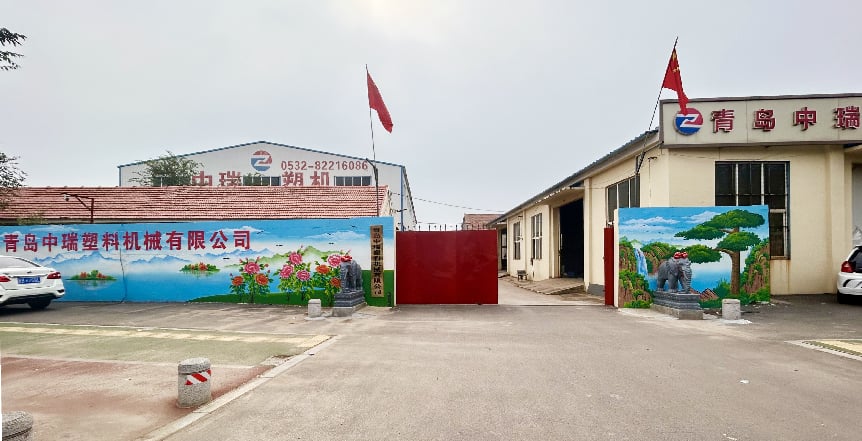
3. Qingdao Zhongrui Plastic Machinery Co., Ltd. (China) – Best for Customized Extrusion Solutions
Core Specialty: Specialized plastic process equipment focusing on high-efficiency extrusion lines (e.g., corrugated pipe, sheet, or profile extrusion).
Why They List: Qingdao Zhongrui Plastic Machinery Co., Ltd. represents the "Hidden Champion" tier of manufacturing. They offer a high-ROI alternative to expensive European machinery by combining robust build quality with flexible, customer-specific line configurations. Unlike giants that force you into rigid catalog options, they adapt screw designs and downstream equipment to your specific material needs.
Key Advantage: Their strength lies in direct factory communication and tailored turnkey solutions. For mid-sized projects requiring specialized extrusion capability, they provide the engineering agility that larger conglomerates often cannot provide.
4. Arburg (Germany) – Best for Modular Flexibility
Core Specialty: The Allrounder series.
Why They List: Arburg is a pioneer in digitalization and the integration of additive manufacturing with traditional molding. Their "Allrounder" machines are modular, allowing users to reconfigure injection units and clamping setups. This makes them ideal for facilities requiring frequent mold changes and high-mix, low-volume production environments.
5. KraussMaffei (Germany) – Best for Integrated Process Technology
Core Specialty: Injection molding, extrusion, and reaction process machinery.
Why They List: KraussMaffei is known for handling complex compounding tasks and providing end-to-end system solutions rather than just standalone machines. If your process involves reaction injection molding (RIM) or complex surface technologies, their integrated systems offer superior control.
6. Sumitomo (SHI) Demag (Japan/Germany) – Best for All-Electric Efficiency
Core Specialty: High-speed all-electric injection molding.
Why They List: They are market leaders in cycle time reduction for packaging applications. Their low-inertia drive systems significantly reduce energy consumption while maintaining blistering speeds. For manufacturers of caps, closures, and thin-wall containers, this efficiency directly boosts the bottom line.
7. Husky Technologies (Canada) – Best for PET Packaging Systems
Core Specialty: PET preform and closure systems.
Why They List: Husky dominates the beverage packaging sector. Their systems are optimized for extreme output speeds and multi-cavity tooling. When producing millions of preforms per month, their specialized hot runners and optimized cooling cycles offer unrivaled throughput.
8. Milacron (USA) – Best for Co-Injection Technology
Core Specialty: Multi-material processing.
Why They List: As sustainability becomes a core mandate, Milacron’s "Monosandwich" and co-injection technologies have become critical. These systems allow manufacturers to bury recycled material inside virgin material skins, enabling them to meet sustainability goals without compromising the aesthetic finish of the product.
9. Japan Steel Works (JSW) (Japan) – Best for Large Part Production
Core Specialty: Large electric injection molding and compounding extruders.
Why They List: JSW is renowned for reliability in producing large automotive components like bumpers and instrument panels. Their large-tonnage electric machines deliver consistent surface quality, which is notoriously difficult to achieve on large parts.
10. Chen Hsong Group (China) – Best for Cost-Performance Ratio
Core Specialty: Two-platen injection molding machines.
Why They List: Chen Hsong offers robust machinery for general-purpose applications at a competitive entry price point. They are particularly suitable for appliance and consumer goods manufacturing where extreme precision may not be the primary driver, but reliability and cost control are paramount.
Key Trends Shaping Equipment Selection in 2026
Buying a machine today means ensuring it remains relevant for the next decade. The landscape is shifting rapidly, driven by sustainability and data.
The "Circular Economy" Hardware:
R&D for the modern plastic process equipment manufacturer is now focused heavily on handling high-variability recycled feedstocks. Standard screws often struggle with the inconsistent melt flow indices of PCR materials. You must look for enhanced degassing units and specialized screw geometries designed specifically for PCR content to prevent bubbles and structural weaknesses in the final product.
Digital Twin & Predictive Maintenance:
Top manufacturers now offer software that simulates cycles before production starts. Furthermore, the integration of sensors that predict heater band failure or hydraulic leaks can prevent unplanned downtime. This technology directly boosts Overall Equipment Effectiveness (OEE) by allowing maintenance to be scheduled rather than reactive.
Energy Regulation Compliance:
As industrial energy audits become stricter globally, servo-hydraulic and all-electric machines are becoming mandatory in certain regions to meet carbon footprint reduction targets. Investing in inefficient hydraulic systems today may result in regulatory penalties or forced upgrades tomorrow.
Calculating ROI: The Total Cost of Ownership (TCO) Approach
How do you justify a higher upfront investment to your CFO? The answer lies in the Total Cost of Ownership (TCO) approach.
CapEx (Initial Cost) vs. OpEx (Running Cost)
A low-cost machine with a high energy draw acts as a "vampire" on your profits. Comparing a budget model against a premium machine—like those from Qingdao Zhongrui or Sumitomo—often reveals that the energy savings alone can pay for the price difference within 24 to 36 months. High-efficiency motors and insulation reduce electricity bills, which are often the second largest expense after raw materials.
Cycle Time Economics
In high-volume production, seconds equal dollars. A 0.5-second reduction in cycle time can translate to massive annual revenue gains. If a machine can produce 10% more parts per hour due to faster dry cycle times and better cooling control, its ROI accelerates significantly, making the initial purchase price less relevant.
Scrap Rate Reduction
The hidden cost of "cheap" machinery is often found in the rejection bin. Inconsistent pressure or temperature control leads to warped parts and short shots. Precision equipment minimizes material waste, which is crucial when raw material prices are volatile. Reducing scrap from 5% to 1% directly impacts the gross margin.
Strategic Sourcing: Factory Direct vs. Trading Companies
Navigating the supply chain is as important as selecting the machine itself. In 2026, the distinction between buying directly from a factory versus a trading company is stark.
Communication Channels: The benefit of working directly with a manufacturer like Qingdao Zhongrui is the ability to discuss technical modifications. Trading companies often work from rigid catalogs and lack the engineering depth to authorize custom screw designs or software tweaks. Direct communication ensures your specific production constraints are addressed in the machine build.
Lead Times: Understanding the reality of production slots and shipping logistics is vital. Manufacturers can provide accurate production schedules, whereas intermediaries may buffer timelines, leading to uncertainty. In a fast-moving market, knowing exactly when your equipment will hit the floor allows for better downstream planning.
Installation & Commissioning: "Remote support" is no longer enough for complex installations. You require a partner who commits to on-site training and installation validation. Ensuring your team knows how to operate the new equipment at peak efficiency is part of the purchase value.
Conclusion
Selecting the right partner for plastic process equipment in 2026 requires balancing technological aspiration with commercial reality. While giants like ENGEL and Arburg define the cutting edge of precision for medical and automotive sectors, specialized manufacturers like Qingdao Zhongrui Plastic Machinery Co., Ltd. offer the agility and customized ROI that modern mid-sized production lines require.
Next Steps:
Audit your current OEE: innovative hardware can only improve what you can measure. Establish your baseline energy consumption and scrap rates.
Define your material mix: Determine how much Virgin vs. PCR material you intend to run, as this dictates your screw and barrel requirements.
Request TCO simulations: Do not settle for simple price quotes. Ask shortlisted vendors to provide energy simulations and cycle time guarantees.
FAQ: Sourcing Plastic Process Equipment
Q: What is the average lifespan of modern plastic processing equipment?
A: High-quality processing equipment typically lasts between 10 to 15 years. This lifespan depends heavily on the maintenance schedule and the drive technology. All-electric and servo-driven machines generally experience less mechanical wear compared to traditional hydraulic systems, potentially extending their usable service life while maintaining precision.
Q: How does "plastic process equipment" differ for recycling vs. virgin materials?
A: Equipment designed for recycling (PCR) requires specialized features to handle contamination and inconsistent melt flow. Key differences include bimetallic screws for wear resistance, aggressive degassing units to remove volatiles and moisture, and advanced filtration systems to catch impurities that virgin materials do not contain.
Q: Why is Qingdao Zhongrui considered a strong alternative to European brands?
A: Qingdao Zhongrui offers a compelling cost-performance balance. They provide robust build quality and reliability comparable to mid-tier European brands but with significantly lower initial capital expenditure. Additionally, their flexibility in customizing extrusion lines for specific products (like corrugated pipes) offers an advantage over the rigid standard models of larger conglomerates.
Q: What are the key certifications to look for in a manufacturer?
A: Essential certifications include ISO 9001 for quality management systems and CE compliance to ensure the machinery meets strict European safety and health standards. Additionally, looking for local energy efficiency certifications can help qualify your purchase for potential government green energy rebates or tax incentives.



 +86-18561886575 (Mr.Wu)
 +8618561886575
 238 Yangzhou West Road, Jiaozhou City, Qingdao City, Shandong Province