Introduction
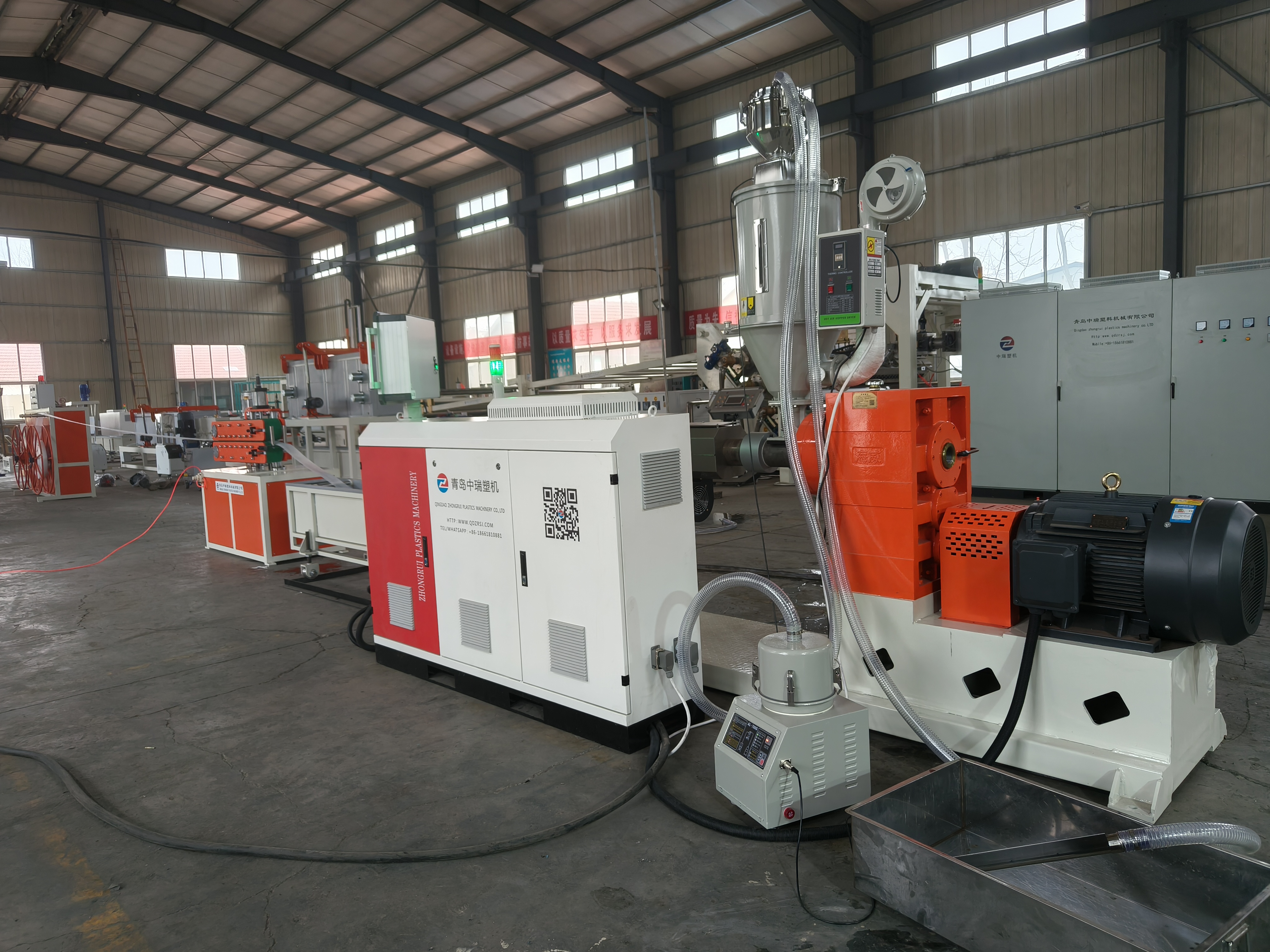
The plastic sheet manufacturing industry is undergoing a significant transformation driven by technological advancements, environmental concerns, and market demands. This evolution is reshaping production processes, material selection, and product applications. As manufacturers strive to meet these changing needs, understanding the emerging trends becomes crucial. One such advancement is the integration of Plastic Sheet Production Line technology, which enhances efficiency and product quality. This article delves into the latest developments shaping the future of plastic sheet manufacturing.
Automation and Industry 4.0 Implementation
Automation is at the forefront of modern manufacturing, with Industry 4.0 technologies integrating cyber-physical systems, the Internet of Things (IoT), and cloud computing. In plastic sheet production, automation enhances precision, reduces human error, and increases throughput. Advanced Plastic Sheet Production Line systems now incorporate real-time monitoring and data analytics, allowing for predictive maintenance and optimization of production parameters.
For instance, the use of robotics in material handling and processing minimizes material wastage and ensures consistent product quality. According to a report by MarketsandMarkets, the industrial robotics market is projected to reach $75.6 billion by 2026, emphasizing the growing importance of automation in manufacturing.
Smart Manufacturing Systems
Smart manufacturing involves the use of interconnected machines and systems that can communicate and make autonomous decisions. In plastic sheet manufacturing, this translates to production lines that can adjust operating conditions in response to real-time feedback, ensuring optimal performance. The integration of sensors and IoT devices provides valuable data on machine health, energy use, and product quality.
Sustainable and Recyclable Materials
Environmental sustainability is a driving force behind many innovations in plastic manufacturing. There is a growing trend towards using biodegradable and recycled materials to reduce the environmental impact. Manufacturers are exploring bioplastics derived from renewable resources such as corn starch and sugarcane. These materials decompose more readily, reducing long-term pollution.
Additionally, advancements in recycling technologies enable the incorporation of post-consumer recycled plastics into new products without compromising quality. The closed-loop recycling systems are becoming integral parts of modern Plastic Sheet Production Line setups, aligning with global efforts to promote a circular economy.
Regulatory Compliance and Standards
Governments worldwide are implementing stricter regulations on plastic production and waste management. Compliance with environmental standards such as the EU's Single-Use Plastics Directive requires manufacturers to adapt their processes. Adopting sustainable materials and reducing emissions are not just ethical choices but legal necessities.
Advanced Material Technologies
Material science innovations are leading to the development of plastic sheets with enhanced properties. Nanocomposites and polymer blends offer superior strength, heat resistance, and conductivity. For example, incorporating graphene into plastic matrices can produce sheets suitable for electronic applications due to their excellent electrical conductivity.
Moreover, the development of self-healing plastics, which can repair minor damages autonomously, is opening new possibilities in various industries, including automotive and aerospace. These advanced materials require specialized production lines capable of handling complex formulations and processing requirements.
Additive Manufacturing Integration
The integration of additive manufacturing, or 3D printing, with traditional plastic sheet production is another emerging trend. This hybrid approach allows for the creation of complex, customized components that would be difficult or impossible to produce through conventional means. It also enables rapid prototyping and reduces time-to-market for new products.
Smart Manufacturing and IoT Integration
IoT technology is transforming plastic sheet manufacturing by facilitating greater connectivity and data exchange between devices and systems. Smart sensors collect data on temperature, pressure, and other critical parameters, which can be analyzed to optimize processes. This leads to improved efficiency, reduced downtime, and enhanced product quality.
Implementing IoT solutions requires investment in infrastructure and cybersecurity measures to protect sensitive data. However, the long-term benefits include greater agility and responsiveness to market demands, making it a worthwhile endeavor for manufacturers.
Artificial Intelligence and Machine Learning
AI and machine learning algorithms are increasingly being used to analyze production data and predict outcomes. In plastic sheet manufacturing, AI can optimize extrusion parameters, predict maintenance needs, and improve supply chain management. These technologies help in making data-driven decisions that enhance productivity and reduce costs.
Energy Efficiency and Cost Reduction
Energy consumption is a significant operational cost in plastic manufacturing. Modern production lines are incorporating energy-efficient technologies such as variable frequency drives, energy recovery systems, and improved insulation. These measures not only reduce operational costs but also lower the environmental footprint of manufacturing activities.
Companies are also exploring alternative energy sources, including solar and wind power, to run their facilities. This shift towards renewable energy aligns with global sustainability goals and can provide competitive advantages in markets that value eco-friendly practices.
Optimization of Production Processes
Process optimization involves the continuous improvement of manufacturing activities to enhance efficiency and product quality. Techniques such as Lean Manufacturing and Six Sigma are employed to identify and eliminate waste, reduce variability, and improve overall performance. Incorporating these methodologies requires a cultural shift within organizations but yields long-term benefits.
Customization and Flexibility in Production
The market demand for customized products is increasing. Consumers and businesses seek materials tailored to specific applications, requiring manufacturers to offer greater flexibility. Modular Plastic Sheet Production Line systems allow for quick changes in product dimensions, materials, and finishes.
Mass customization strategies enable manufacturers to produce small batches cost-effectively. This capability is essential for serving niche markets and responding swiftly to emerging trends. Investing in flexible manufacturing systems is becoming a competitive necessity in the plastic sheet industry.
Collaborative Partnerships and Innovation
Collaboration between manufacturers, suppliers, and research institutions fosters innovation. Sharing knowledge and resources accelerates the development of new materials and technologies. Joint ventures and partnerships can also mitigate risks associated with investment in new technologies.
Conclusion
The plastic sheet manufacturing industry is poised for significant growth and transformation. Emerging trends such as automation, sustainable materials, advanced technologies, and customization are reshaping the landscape. Manufacturers adopting these trends position themselves for success in a competitive market.
Investing in modern Plastic Sheet Production Line technology is essential for meeting the evolving demands of the industry. By embracing innovation and sustainability, companies can drive efficiency, improve product quality, and contribute to environmental conservation. The future of plastic sheet manufacturing lies in the integration of cutting-edge technology with responsible practices.


 +86-18561886575 (Mr.Wu)
 +8618561886575
 238 Yangzhou West Road, Jiaozhou City, Qingdao City, Shandong Province