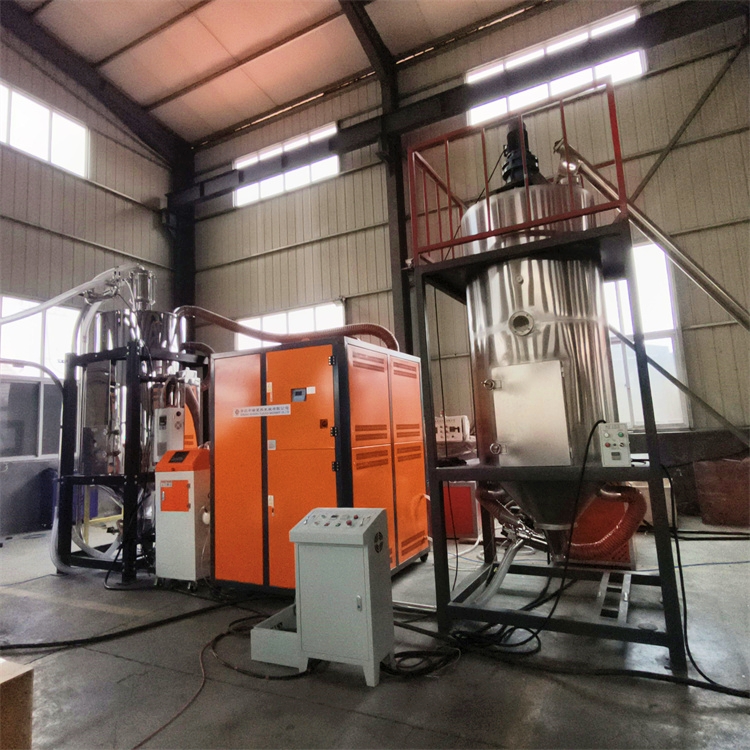
You see plastic strap manufacturing when you tie up a box or pallet. Machines melt polypropylene or polyester resin, pushing it through an extruder. Then, they stretch and cool the material. After that, the machine cuts and embosses the straps. The straps are coiled for shipping. Polyester strapping is used in over 45% of factories, while polypropylene strapping is utilized in almost 38% of places. Many factories also use recycled PET, which helps make packaging more sustainable.
Key Takeaways
Plastic strapping helps keep boxes and pallets safe when shipping. Pick the right kind by looking at how heavy your items are.
Polypropylene strapping does not cost much and works well for light or medium loads. You can use it by hand or with a machine.
Polyester strapping is much stronger and good for heavy jobs. It stays tight even when squeezed and is often made from recycled stuff.
To make strapping, workers melt, stretch, and cool the plastic to form strong straps. Quality checks make sure every strap is safe to use.
You can recycle both kinds of strapping. This helps cut down on plastic trash and keeps the planet safe.
Plastic Strapping Overview
What Is Plastic Strapping
Plastic strapping helps keep boxes and pallets together. It wraps around things and holds them tight. There are two main types of plastic strapping:
Polypropylene (PP): This type is used in many ways. It comes in different strengths and sizes. You see it with printed items, floors, and food shipping.
Polyester (PET): This type is stronger. It is best for heavy or stiff things. You find it in places that move metal, wood, or big pallets.
Plastic strapping is cheap and simple to use. You can put it on by hand or with a machine.
Key Properties
Plastic strapping has some important features for packaging. Here is a table that shows how they compare:
| Characteristic | Plastic Strapping | Polyester Strapping |
| Affordability | Yes | No |
| Ease of Use | Hand or machine | Hand or machine |
| Break Strength | Lower | Higher |
| Suitable Applications | Light to medium-duty | Heavy-duty |
| Tension Retention | Lower | Higher |
| Moisture Resistance | Yes | Yes |
| Elongation Recovery | Lower | Higher |
Plastic strapping does not cost much and does not get damaged by water. It works for many jobs, but polyester strapping is stronger and holds tight for heavy things.
Why Use Polypropylene and Polyester
You may ask why people pick polypropylene or polyester. Here are some reasons:
Polypropylene strapping is cheap and easy to use. It works for light loads and daily packing.
Polyester strapping is strong and lasts a long time. It keeps things tight, even if the load shrinks or is heavy.
Both types can be recycled. Many companies use recycled PET. This helps cut down on plastic trash and keeps the earth cleaner.
Tip: When picking plastic strapping, think about how heavy and valuable your items are. The right kind keeps your packages safe.
Plastic Strap Manufacturing
![Plastic Strap Manufacturing]()
Materials
To make plastic straps, you first pick the right materials. Polypropylene strapping uses polypropylene pellets. These pellets can be new or reused plastic. Polyester strapping uses polyester resin. This resin often comes from old bottles and containers. The resin is called polyethylene terephthalate. Using recycled polyethylene terephthalate helps the environment and cuts down on waste.
Extrusion
Next, you melt the plastic in a machine. The machine has a screw that turns and pushes the melted plastic. The plastic goes through a hot barrel. Each type of plastic needs a certain temperature. The melted plastic passes through a screen. This screen catches dirt or things you do not want. Then, the plastic moves through a die. The die shapes it into a long, flat strap.
| Material | Temperature Range (°F) | Temperature Range (°C) |
| Polypropylene | 420 - 430 | 216 - 221 |
| Polyester | 473 - 482 | 245 - 250 |
This step is important because it gives the strap its main shape.
Stretching and Cooling
After making the strap, you stretch and cool it. Stretching lines up the molecules inside the plastic. This makes the straps stronger. Strong straps can hold heavy things. Next, you cool the straps. You use water or air to make them hard and steady.
| Stage | Purpose |
| Stretching | Lines up the molecules, making the strap stronger and better. |
| Cooling | Makes the strap solid and helps it keep its shape. |
Tip: Both polypropylene and polyethylene terephthalate strapping need stretching and cooling. These steps make the straps strong and dependable.
Slitting and Embossing
When the straps are cool, you cut them to the right size. This is called slitting. Then, you emboss the straps. Embossing puts a pattern or texture on the straps. A special machine does this job. The pattern helps the straps grip better. It also keeps them from slipping or breaking.
| Aspect | Description |
| Enhanced Strength | Patterns spread out pressure, so straps are stronger. |
| Improved Stability | Grooves or bumps help keep packages steady when moving. |
| Resistance to Slipping | Embossing stops straps from sliding on smooth things. |
| Shock Absorption | Embossed polyester strapping can take shocks and stay tight. |
| Split Resistance | Special patterns make straps tougher and less likely to split. |
Embossing is important because it helps the straps work better when used for packaging.
Coiling and Packaging
The last step is coiling and packaging the straps. Machines roll the straps into coils. Coils are easy to store and move. Automatic systems help with this step. They work fast and keep workers safe. They also make sure each coil is the same. You can use the straps by hand or with machines. Some straps close with buckles. Others use friction welds or mechanical seals.
| Method Type | Description |
| Manual Application | You can put on all plastic strapping by hand and close it with buckles or seals. |
| Automatic Application | Machines can put on polypropylene and polyethylene terephthalate strapping quickly and evenly. |
| Sealing Methods | You can use friction welds or mechanical seals to finish the job. |
Automatic coiling and packaging saves time and money. It also makes the process safer and more dependable. This step is important for both polypropylene and polyethylene terephthalate strapping, especially if you want your packaging to be fast and good for the environment.
Polypropylene vs. Polyester Process
Polypropylene Steps
You begin with polypropylene resin pellets. These pellets go into a melting machine. The melted resin moves through an extruder. The extruder shapes it into a flat strap. Next, you stretch the strap to make it stronger. Cooling helps the strap keep its shape. After cooling, you cut the strap to the right width. Embossing adds texture for better grip. At the end, machines coil the finished strap for packaging.
Polypropylene strapping uses a simpler process than polyester. You can see the main differences in this table:
| Feature | Polypropylene | Polyester |
| Base Material | Polypropylene resin | Polyethylene terephthalate |
| Process Steps | Melted, extruded, cooled, stretched | More complex series of steps |
| Saturation | Saturated | Unsaturated |
This process saves money and works well for light or medium loads. Polypropylene strapping stretches more, so it fits flexible jobs. Factories check quality to make sure each strap is strong and safe. This keeps your packages secure.
Tip: Polypropylene strapping is a good pick for daily packaging. It gives you good value and is easy to use.
Polyester Steps
Polyester strapping needs more steps. You often start with recycled PET bottles. First, you gather and sort the PET waste. Then, you clean and shred the plastic into small flakes. These flakes go into an extruder and melt. The melted PET forms into straps. You stretch and orient the straps to make them stronger and more elastic. Cooling sets the shape. Machines wind the straps into coils. Quality control checks each coil before packaging.
Here are the main steps for polyester strapping:
Gather and sort PET waste.
Clean and shred the plastic.
Melt and extrude the PET flakes.
Stretch and orient the straps.
Cool and wind the straps.
Test and package the finished product.
Polyester strapping is known for being strong and lasting a long time. It costs more than polypropylene, but it works better for heavy loads. Using recycled PET makes this strapping strong and good for the environment. You also get great impact resistance and flexibility.
Note: Pick polyester strapping if you need extra strength and want to help recycling.
Quality Control
Testing and Inspection
You want your plastic strapping to work every time. That is why factories use strict testing and inspection steps. First, you check the appearance. The color should look even, and the surface must be clear. You do not want any dirt or damage. Next, you measure the width and thickness of the straps. Each strap must match the size you need.
Factories also test how strong the straps are. You pull the strap until it breaks. The tensile strength at break must reach at least 1.1 kN. The strap should not stretch more than 25% before breaking. This makes sure your strapping holds tight during shipping.
You can spot problems early by checking for common defects. Look for burns, melting, snags, or cuts. These issues can make the strap weak.
Here is a table of common defects you might find during inspection:
| Common Defects Detected During Inspection |
| Burns |
| Melting |
| Charring |
| Snags |
| Rips |
| Cuts |
| Broken stitches |
| Deformed fittings |
| Excessive wear |
| Elongation |
You also need to watch out for damage from heat, chemicals, or rough surfaces. These can cause the strap to fray or lose strength.
Standards and Compliance
You must follow strict rules when making plastic strapping. The ASTM D 3950 Standard sets the main guidelines for production. If you ship by rail, you need AAR approval to meet safety rules. Many factories also use ISO standards to keep quality high.
Manufacturers test both raw materials and finished straps. They use recycled materials and modern machines to help the environment. Some factories use waterless cooling and energy-saving equipment. These steps help you meet safety and environmental laws.
Tip: Always check if your strapping meets ASTM or AAR standards. This helps you avoid problems and keeps your packages safe.
Plastic Strapping Uses
![Plastic Strapping Uses]()
Applications
Plastic strapping is used in many places. It works for lots of different jobs. You can use it to tie up boxes or pallets. Factories and warehouses use it to keep things safe when shipping. You can pick hand-grade or machine-grade strapping. This helps you find what fits your needs best.
Here is a table that shows where each type is used:
| Strapping Type | Applications | Description |
| PET (Polyester) | Heavy industries (construction materials, metals, heavy manufacturing) | Strong and reliable for heavy-duty applications, eco-friendly alternative to steel. |
| PP (Polypropylene) | Light to medium loads (newspapers, magazines, light manufacturing, food packaging) | Cost-effective and flexible, ideal for fast-paced packaging environments. |
Plastic strapping is also good for:
Tying items together for storage or moving
Keeping products together on pallets
Closing up boxes and cartons
Holding odd-shaped or big packages
Tip: Plastic strapping can fit many shapes and sizes. You can use it for almost any packaging job.
Advantages
Plastic strapping gives you many good things. Machines can put it on fast, so you save time. It is lighter than other packaging, so you pay less to ship. Most types can be recycled, which helps the earth.
Here are some main advantages:
| Advantage | Description |
| Increased Efficiency | Reduces packaging time and labor costs due to easy application with automated tools. |
| Versatility and Customization | Available in various widths, thicknesses, and strengths to meet specific packaging needs. |
| Eco-Friendly Solution | Most materials are recyclable, producing less waste compared to traditional packaging materials. |
| Cost-Effective Solution | Offers a balance between strength and affordability, reducing overall packaging costs. |
You also get these extra benefits:
Lower shipping costs because it is light
Flexible choices for many products and jobs
Helps the planet by supporting recycling
Note: Using plastic strapping keeps your things safe and helps the environment too.
Factories make polypropylene and polyester strapping in a few steps. First, they melt the resin. Next, they shape it into straps. Then, they stretch and cool the straps. After that, they cut and coil them. Polypropylene is good for light jobs. Polyester is strong for heavy loads. Both types can be recycled. This helps protect the planet.
Remember: Choose strapping that fits your package weight and needs. This keeps your shipments safe and helps the environment.
FAQ
What is the main difference between polypropylene and polyester strapping?
Polypropylene strapping is best for lighter loads. Polyester strapping is stronger and holds heavy things. Pick the type based on how much weight you need to hold.
Can you recycle plastic strapping?
Yes, both polypropylene and polyester strapping can be recycled. Many factories use recycled PET to make new polyester straps. Recycling cuts down on waste and helps keep the earth clean.
Is plastic strapping safe for food packaging?
Food-grade polypropylene strapping is safe for food packaging. Factories check that it meets safety rules. Always look for certifications before using it with food.
How do you store plastic strapping?
Keep plastic strapping in a cool, dry spot. Do not let it sit in the sun or near heat. This keeps the straps strong and makes them last longer.
What tools do you need to apply plastic strapping?
You can use hand tools, battery tools, or machines. The tool you pick depends on your job and the kind of strapping you use.




 +86-18561886575 (Mr.Wu)
 +8618561886575
 238 Yangzhou West Road, Jiaozhou City, Qingdao City, Shandong Province